Bidet vs. Toilet Paper: Medical Insights on Hygiene and Skin Health
Exploring the health impacts of bidet seats versus toilet paper reveals benefits in bacterial reduction and skin sensitivity, alongside proper hygiene and maintenance needs.
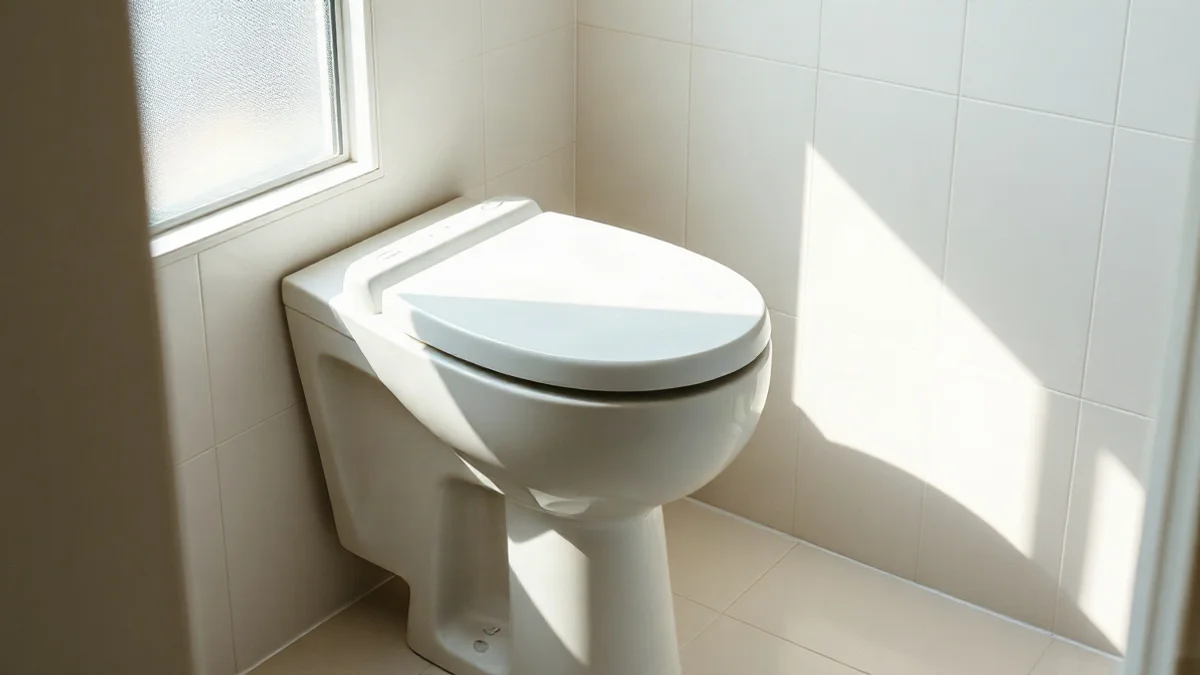
Modern bidet seats, featuring heated surfaces, adjustable water temperatures, and air dryers, have transformed bathroom hygiene. Unlike traditional standalone bidets that require dedicated space, contemporary electronic bidet seats replace existing toilet lids and utilize a retractable nozzle for cleansing.
Hygiene and Bacterial Transmission
While popular in home renovations, the debate between water cleansing and conventional toilet paper centers on health benefits. A 2022 study published in the Journal of Water and Health evaluated 32 nursing students who wore gloves and wiped with four layers of toilet paper, with and without prior bidet use.
The findings revealed that the amount of microorganisms on the gloves was significantly lower following water cleansing, with 31 out of 32 participants showing a decrease in bacterial transfer. Researchers noted that pre-cleansing with water reduces the spread of dirt and germs to the hands during wiping. However, experts emphasize that this small study measured glove contamination rather than actual illness, and it does not eliminate the necessity of washing hands with soap afterward.
Sensitivity and Skin Irritation
For individuals with sensitive skin, minimizing abrasive wiping can prevent discomfort. The British medical center Guy's and St Thomas' advises against excessive wiping for perianal itching, recommending gentle washing and patting dry rather than rubbing, while cautioning that soap can sting irritated areas.
Bidets facilitate these gentle practices, but improper usage can negate the benefits. Excessive water pressure or prolonged spraying can transform a soothing action into an additional source of irritation. Medical literature also indicates that while warm water and gentle streams can temporarily reduce resting pressure in the anal sphincter among healthy individuals, it does not constitute a proven medical treatment or cure for hemorrhoids or fissures.
Urinary Tract Health and Equipment Maintenance
A Japanese follow-up study involving 7,759 participants found no significant increase in hemorrhoids or urogenital infections among regular bidet users over the observation period. Conversely, male participants reported a higher incidence of mild skin irritation around the anal area, though the findings relied on questionnaires and the research was supported by the Japanese sanitary equipment industry.
Furthermore, equipment maintenance remains critical. A 2017 study examining 292 bidet toilets at a Japanese university hospital detected bacteria on the nozzles of 87% of the units. This finding highlights the necessity of regular cleaning and upkeep, as built-in self-cleaning mechanisms do not replace manual maintenance.
Practical Recommendations for Safe Use
Medical and sanitation guidelines suggest starting with a gentle water stream and a comfortable temperature, keeping the cleansing external and brief, and drying carefully. High-pressure settings should never be directed internally, and water pressure is not a substitute for an enema. For individuals with limited mobility, bidet seats provide increased independence, provided the equipment is properly installed and maintained.