Ministry of Health Isolates Returning Traveler Over Suspected Ebola Case
The Ministry of Health isolates a traveler from the Democratic Republic of the Congo at Ichilov Hospital over suspected Ebola, as global outbreaks prompt heightened national monitoring and travel advisories.
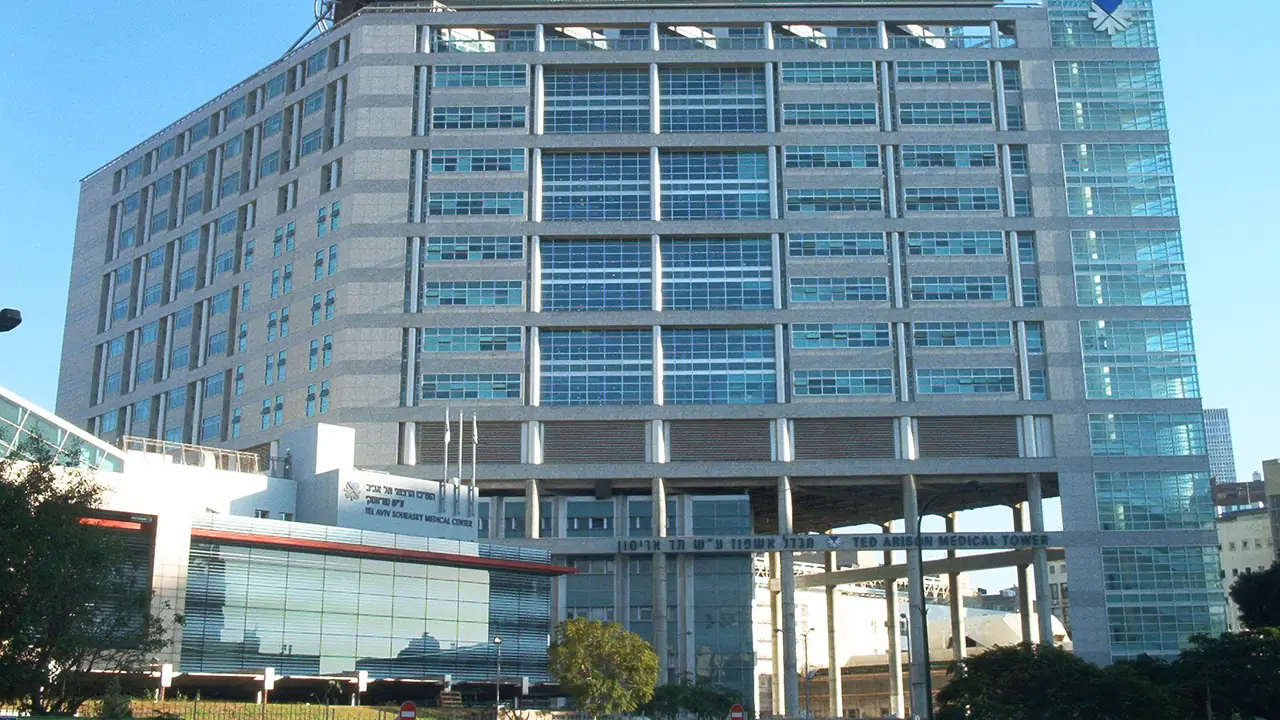
The Ministry of Health has placed a patient in isolation at the Tel Aviv Sourasky Medical Center (Ichilov Hospital) following suspected exposure to the Ebola virus. The individual recently returned from the Democratic Republic of the Congo and developed symptoms matching the viral infection. Health authorities emphasize that this is currently an isolated suspected case and that no confirmed diagnosis of the disease has been recorded in Israel.
Epidemiological Investigation and Global Outbreak Context
To manage the situation, the Ministry of Health is conducting a comprehensive epidemiological investigation to trace individuals who may have come into contact with the patient. The traveler is undergoing a series of laboratory tests following established national and international medical protocols to confirm or rule out infection. The case in Israel unfolds against the backdrop of the largest Ebola outbreak ever recorded in the Democratic Republic of the Congo. According to World Health Organization figures, 11,613 confirmed cases and 5,678 deaths were reported by November 17, 2026, marking a fatality rate of 48.9%. On November 18, the WHO reaffirmed the outbreak as a public health emergency of international concern due to ongoing transmission and regional spread risks. The current wave is driven by the Bundibugyo Ebola virus species, for which no specific licensed vaccine or antiviral treatment currently exists, though early supportive medical care significantly improves survival rates.
Transmission Dynamics and Clinical Symptoms
Ebola is a severe viral illness causing multi-organ failure and death. Unlike respiratory viruses, it does not spread through the airborne route; transmission occurs primarily through direct contact with blood, bodily fluids, secretions, or tissues of infected people or deceased victims, as well as contaminated objects or infected animals. The incubation period ranges from two to 21 days. Infected individuals are generally not contagious before symptoms appear, enabling health agencies to mitigate spread through prompt identification, isolation, and contact tracing. The Ministry of Health noted that individuals who are not contacted during the epidemiological investigation do not need to take any specific action at this time.
Early symptoms mirror other common infectious diseases, complicating diagnosis without laboratory testing. Key warning signs include high fever, severe fatigue, muscular aches, headaches, sore throat, vomiting, diarrhea, and abdominal pain. Advanced cases can cause internal organ dysfunction, hemorrhaging, and bleeding disorders.
National Preparedness and Travel Advisories
Since the outbreak began in the Democratic Republic of the Congo in May, the Ministry of Health has monitored global trends and reinforced national preparedness. Hospitals have received clinical guidelines, screening mechanisms for arriving travelers from affected regions have been activated, and specialized diagnostic laboratory workflows have been established.
The ministry advises the public to avoid travel to eight designated affected provinces in the Democratic Republic of the Congo, and to defer non-essential trips to the rest of the country. Non-essential travel is also discouraged for neighboring nations, including Uganda, South Sudan, the Central African Republic, Rwanda, Burundi, Tanzania, Zambia, Angola, and the Republic of the Congo, while travelers to Kenya and Nigeria are urged to evaluate the necessity of their trips.
Anyone returning from the Democratic Republic of the Congo who develops a fever exceeding 38 degrees Celsius or unusual symptoms within 21 days of travel must isolate at home, avoid contact with others, and contact the Ministry of Health's hotline. Patients must coordinate telephone arrival before visiting any medical facility and disclose their travel history.