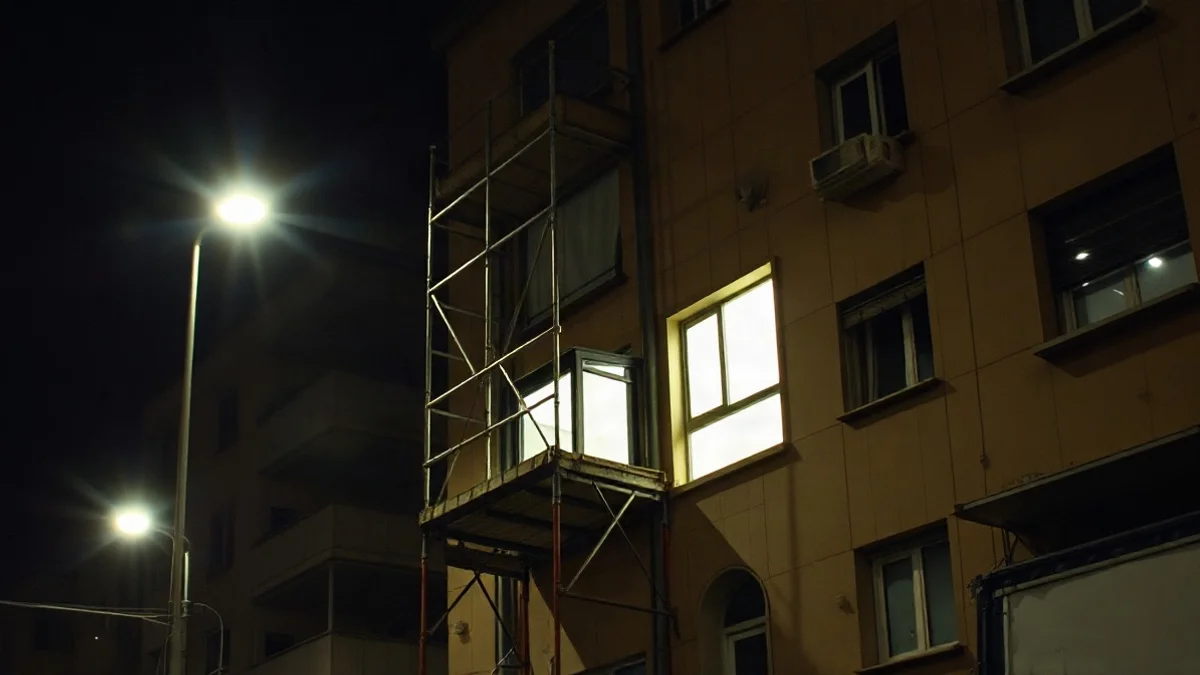
Demolition Warnings for Protective Shelters in Bedouin Diaspora Spark Outrage
Demolition warnings issued for protective shelters in the Bedouin diaspora have sparked outrage as tensions rise, leaving residents scrambling to protect families.

Demolition warnings issued for protective shelters in the Bedouin diaspora have sparked widespread outrage among residents and activists, particularly as concerns grow over a potential escalation with Iran. During previous rounds of fighting, grassroots initiatives—including campaigns by the Standing Together movement—raised funds to install dozens of mobile shelters across the southern region to compensate for a severe lack of official infrastructure.
Without these protected spaces, residents in unprotected areas were previously forced to seek cover in sewage channels and beneath bridges during rocket attacks. Authorities have now posted removal notices on several shelters near Dimona and in the village of Umm Batin, even as security officials warn that a renewed confrontation with Iran appears increasingly likely.
Activist and Resident Reactions
Gadeer Hani, a leadership member of the Standing Together movement, expressed profound dismay over the enforcement actions. "I will never forget how happy the children were when we installed the shelters there, painting and decorating the walls together," she stated. Hani emphasized that the area near Dimona experiences some of the highest alert frequencies in the country, arguing that residents are being left defenseless while authorities pursue the destruction of vital safety structures.
Local resident Salman Al-Mahdhi voiced similar shock after discovering a warning notice upon returning home from work. "These are shelters we requested because of our daily reality—we have a 75-year-old woman who can barely walk and more than 30 children who rely on this single unit," Al-Mahdhi said. He claimed that warnings are being distributed across the region without end, leaving residents with limited legal avenues to appeal before the administrative orders become permanent.
Official Response
In response to the growing public backlash, the Israel Land Authority clarified the administrative nature of the notices. Officials stated that the documents are preliminary warnings rather than immediate demolition orders, issued because the structures were placed on public land without authorization. The agency added that, given the protective function of the shelters, each specific case will be examined on its individual merits.