Beersheba Court Upholds 2.3M Shekel Tax Assessment on Unexplained Wealth
The Beersheba District Court upheld a 2.3 million shekel tax assessment against a local council security guard who maintained a luxury lifestyle despite a modest salary, rejecting his unproven inheritance claims.
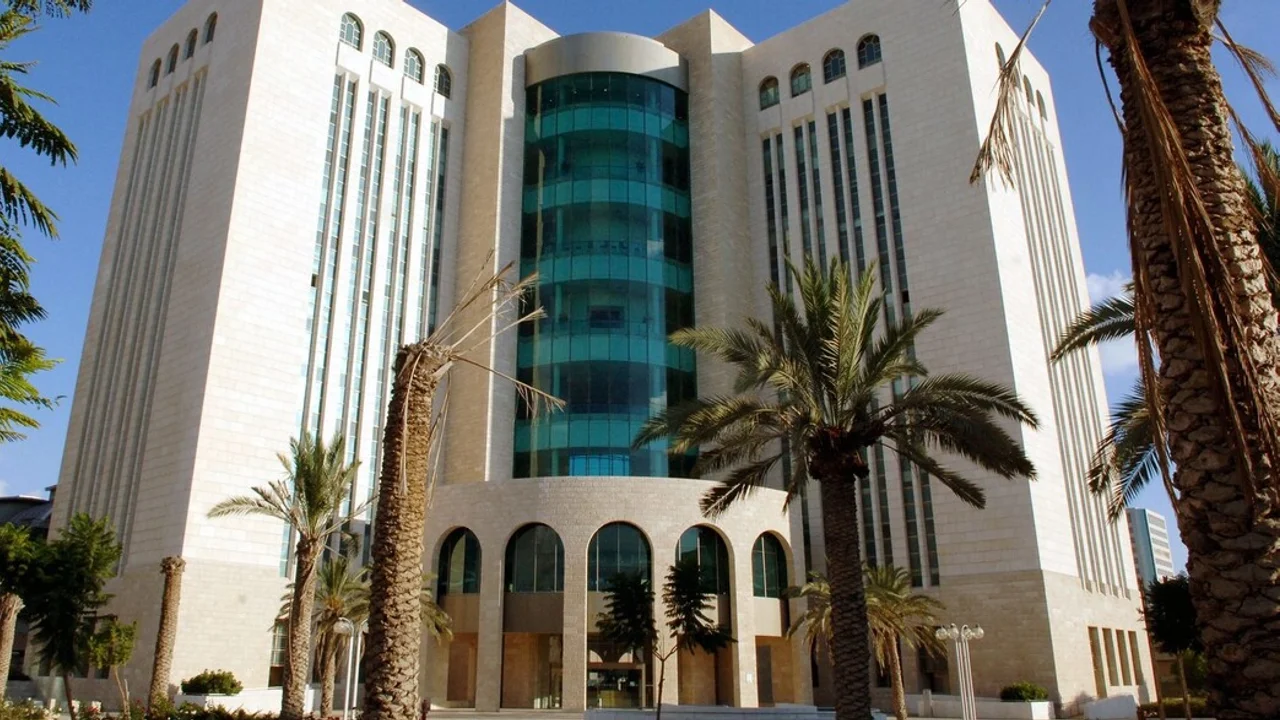
The Beersheba District Court dismissed an appeal filed by a resident of Segev Shalom regarding a tax assessment of approximately 2.3 million shekels issued by the Beersheba tax assessing officer. The legal battle began after financial red flags were raised when the appellant maintained a high standard of living that sharply contradicted his modest salary as a local council security guard.
The investigation into the taxpayer's finances unfolded following an October 2020 traffic stop near a shooting incident. During a search of his vehicle, police seized roughly 470,000 shekels in cash while the driver provided inconsistent explanations regarding the origin of the funds.
Audit Reveals Unexplained Capital Discrepancies
Subsequent tax audits revealed that between 2016 and 2019, the appellant earned an annual salary of approximately 75,000 shekels working as a security guard for the Segev Shalom local council. Despite these modest earnings, financial records showed he purchased a plot of land, constructed a three-level house spanning over 330 square meters, acquired an SUV and an off-road vehicle, traveled abroad frequently, and gambled in Taba.
Faced with these glaring discrepancies, the tax assessing officer determined that the taxpayer held roughly 2.3 million shekels in unexplained capital, classifying the sum as undeclared business income. Challenging the assessment in court, the appellant argued that the funds and construction financing originated from an inheritance left by his father, and maintained he only financed a single apartment within the building.
Court Rejects Inheritance Defense
Representing the tax authority, attorney Eitan Cohen from the Southern District Civil Prosecutor's Office argued that the inheritance defense was raised belatedly with inconsistent versions of events, lacked supporting documentation, and was unsupported by the late father's financial history. Furthermore, the property registration showed the entire structure belonged to the appellant, who also admitted to receiving undisclosed income from selling sheep.
In her ruling, Judge Yael Yitav upheld the core positions of the tax authority, finding the inheritance defense unproven and heavily flawed with material contradictions. The court accepted the tax assessor's construction appraisal over the appellant's expert opinion, though it partially adjusted calculation details regarding building expenses.
The court affirmed the tax officer's statutory authority to increase assessment sums during the objection phase based on new data. It also validated the classification of the capital gaps as unreported business income, confirmed the enhanced tax liability, and upheld a 15% deficit penalty, ordering the appellant to pay 70,000 shekels in legal costs.