Supreme Court Rejects Developer Appeal, Upholds 7.5M Shekel Payout for Jerusalem Flaws
The Supreme Court dismissed a developer's appeal, upholding a ruling requiring payment of over 7.5 million shekels to Jerusalem apartment owners for construction defects, devaluation, and distress.
The Supreme Court dismissed an appeal filed by Elad Israel Residence New, upholding a multi-million-shekel compensation ruling in favor of apartment owners in Jerusalem's Kiryat Yovel neighborhood. The dispute centered on a 17-story residential building comprising 67 apartments handed over to buyers in 2014, with 34 plaintiffs, including the building's joint-ownership committee, participating in the legal action.
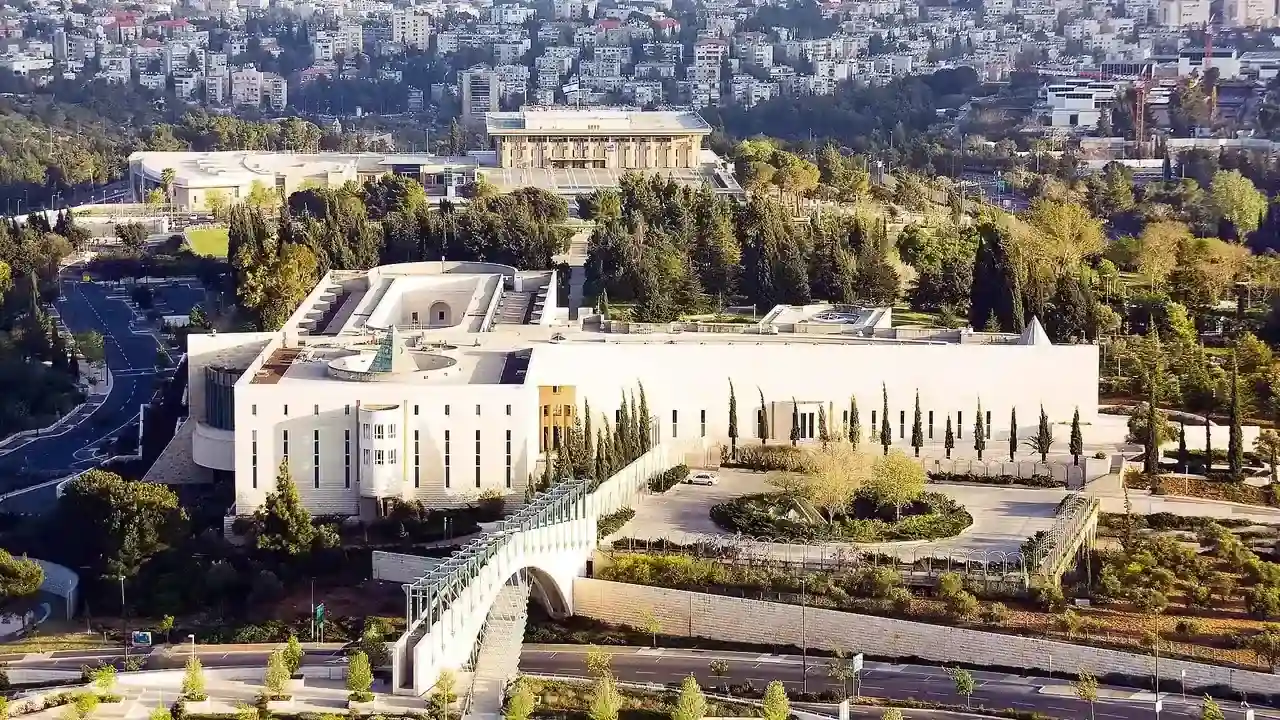
The ruling was handed down following a hearing presided over by Supreme Court President Isaac Amit, alongside Justices Ofer Grosskopf and Gila Kanfi-Steinitz. Acting on the court's recommendation, the parties withdrew their respective appeals, leaving intact a December 2025 District Court ruling issued by Judge Gilad Hess.
Construction Flaws and Expert Assessments
Originating from lawsuits filed by property owners against the development company, the case involved extensive defects in apartments and common property, most notably severe moisture infiltration stemming from external cladding failures. To adjudicate the technical disputes, the court appointed independent experts spanning engineering, real estate appraisal, aluminum, traffic, and elevator systems.
The judicial process advanced through sequential rulings. An initial partial judgment mandated the developer to disburse approximately 2.5 million shekels for physical repairs based on comprehensive engineering evaluations, which was subsequently followed by a supplementary judgment addressing remaining heads of damage.
Reputational Devaluation and Compensation
A pivotal legal question examined whether severe construction flaws can depress property values even after physical repairs are executed, due to reputational damage to the entire building. Representing the primary plaintiff group, attorneys Vered Cohen and Raanan Bar-On argued that the extraordinary accumulation of defects impaired market perception and reduced apartment values.
The District Court affirmed that significant exterior moisture issues difficult to remediate can substantiate reputational depreciation. However, Judge Hess clarified that such relief remains exceptional, requiring rigorous evidentiary proof through expert appraisal testimony rather than serving as a routine remedy.
Accounting for court-appointed appraiser Amir Danus's assessments, the developer was ordered to pay 4,833,400 shekels in property devaluation damages. Furthermore, the court awarded 715,000 shekels for distress, 50,000 shekels for elevator mechanism non-conformities, and 80,000 shekels for parking garage defects. In total, excluding legal fees and expert reimbursements, the company was ordered to pay over 7.5 million shekels.
Attorneys Cohen and Bar-On emphasized that the definitive ruling establishes an important precedent: where severe construction defects demonstrably impair market value, compensation extends beyond physical remediation to encompass reputational devaluation.