Ayalon Fast Lanes Project Faces Low Driver Adoption and Enforcement Hurdles
Six months after its launch, Israel's 8 billion shekel Ayalon fast lanes project faces low motorist adoption, technological hurdles in automated HOV enforcement, and design flaws that limit public transit access.
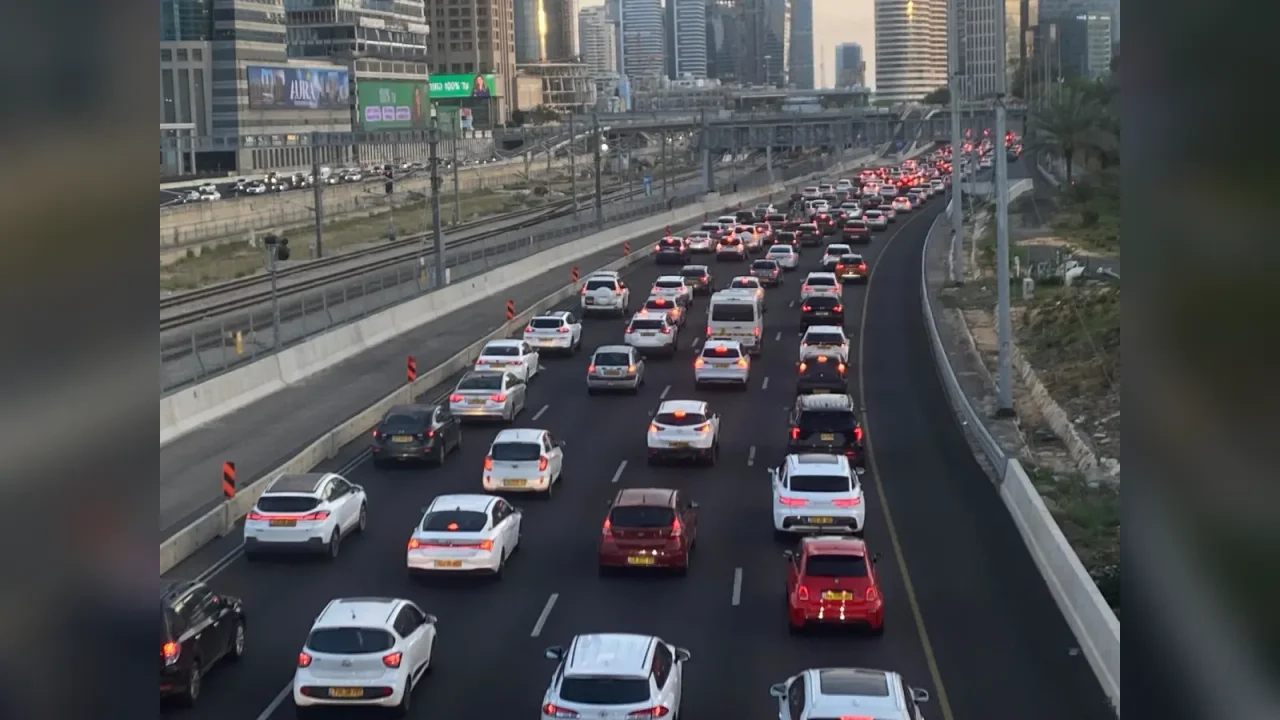
Nearly half a year after the launch of the fast lanes project on the Ayalon Highway in Israel, data shows that motorists are still hesitant to fully adopt the new infrastructure. The massive 8 billion shekel project combines dedicated public transit lanes with massive parking lots in Shefayim and Rishon LeZion, offering roughly 10,500 free parking spaces and direct shuttle services to employment and leisure hubs in Tel Aviv. According to Ayalon Highways, the shuttles currently transport about 9,800 daily passengers from the Shefayim parking lot and 4,400 from Rishon LeZion, saving only around 6,000 private cars from entering the congested highway each day.
Future Tolls and Automated Enforcement Challenges
The project was designed to be implemented in stages. While the initial phase reserved the lanes exclusively for public transit and free shuttles, the next complex phase is slated for early 2027. This phase will open the lanes to private vehicles for a variable toll ranging from a few shekels during off-peak hours up to 107 shekels during extreme congestion, utilizing dynamic pricing to maintain a minimum traffic speed of 70 km/h. Vehicles carrying three or more passengers (HOV 3+) will be exempt from the toll.
However, critics and municipal officials point to severe enforcement hurdles. The overhead cameras currently installed along the highway are not yet operational for automated enforcement, as technology struggles to reliably detect passenger counts in the backseat. Tel Aviv Deputy Mayor Meital Lehavi warned that relying on police patrols is dangerous and inefficient, arguing that private cars should remain barred until reliable electronic recognition is established.
Infrastructure Flaws and Expert Warnings
Transportation advocates and experts have also raised concerns over design flaws. Max Murogovsky, chairman of the Our Way Transport organization, noted that plastic separation posts and poorly aligned entry and exit gates prevent many regular bus lines from Holon and Rishon LeZion from accessing the fast lanes. Furthermore, Dr. Moshe Becker, a transportation safety expert, warned that establishing these lanes at the expense of highway shoulders creates severe safety risks for stranded vehicles, adding that the limited ridership numbers fall short of solving the metropolitan area's massive traffic congestion.