Strict Environmental Rules Regulate Human Waste Management in Antarctica
Strict environmental protocols in Antarctica prohibit casual waste disposal, mandating specialized containers and waste management to protect fragile ecosystems and scientific research.
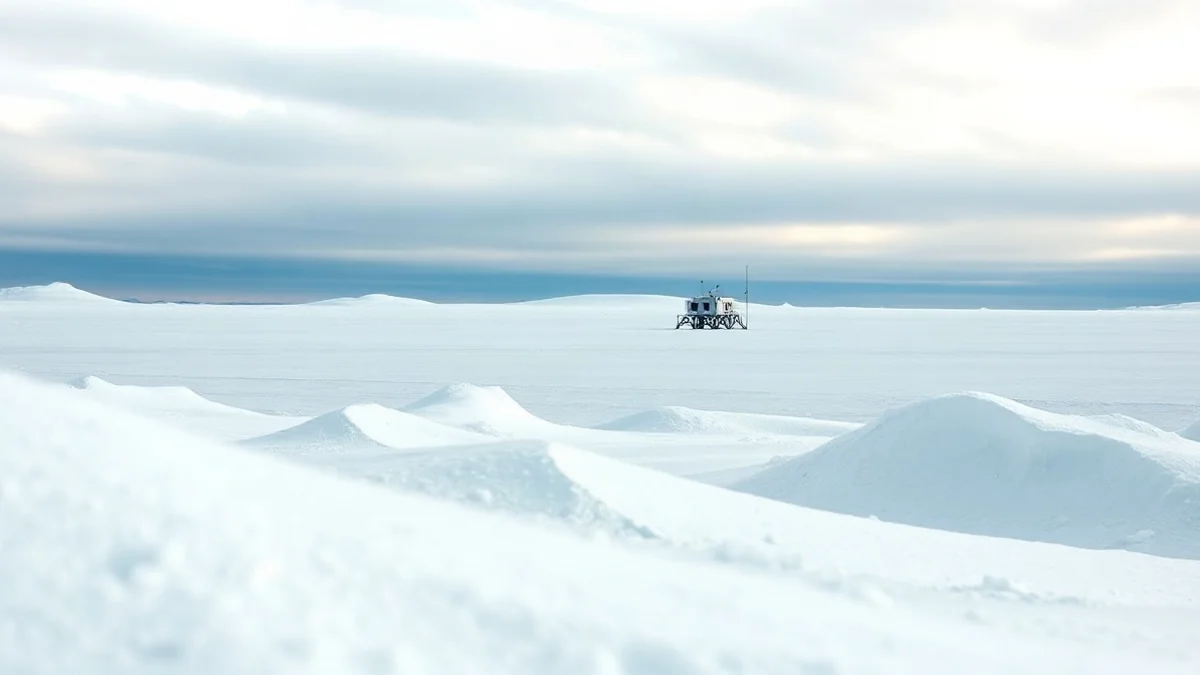
Imagine being stranded in the middle of Antarctica, surrounded by endless white horizons and pristine ice. When nature calls, instinct might suggest that with zero people around, answering it in the snow is harmless. However, doing so violates strict environmental protocols designed to protect the coldest continent.
Under international environmental treaties, Antarctica is designated as a natural reserve dedicated to peace and science. Human impact must be minimized, which includes strict waste management. Urine, despite its innocent appearance, contains nitrogen compounds that can drastically alter nutrient-poor Antarctic soils and disrupt fragile microbial communities that have survived in extreme conditions for millennia.
Furthermore, Antarctica serves as one of the world's most vital natural laboratories. Researchers routinely collect ice, snow, and soil samples to trace minute chemical signatures and microorganisms. Unregulated human waste risks contaminating the very samples scientists aim to analyze, potentially leading researchers to discover their own traces during fieldwork.
Consequently, strict regulations require that everything brought onto the continent must eventually leave it. Under United States Antarctic legislation, environmental violations such as unauthorized waste disposal carry severe penalties, including fines of up to $34,000 and potential imprisonment of up to one year.
Managing sewage for permanent research stations presents an even greater engineering challenge. At the South Pole, facilities utilize specialized systems known as Rodwell wells, melting deep subterranean ice to secure fresh water. Once these wells are depleted, the resulting massive cavities beneath the ice are often repurposed to safely store wastewater for thousands of years, ensuring human presence leaves a minimal footprint on the frozen wilderness.