New York City Mayor Zohran Mamdani Dissolves Controversial NYPD Tactical Unit
New York City Mayor Zohran Mamdani has dissolved the NYPD's 500-officer Strategic Response Group, banning tear gas and kettling while introducing civilian de-escalation units.
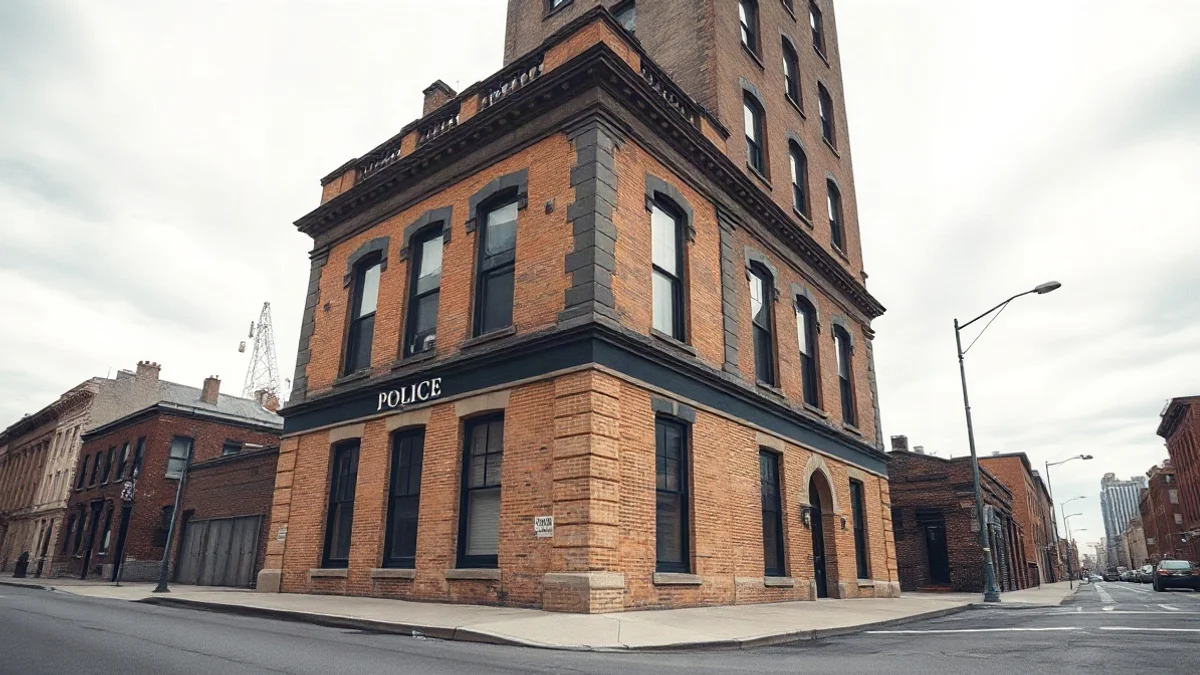
New York City Mayor Zohran Mamdani announced the formal dissolution of the New York City Police Department's controversial Strategic Response Group, fulfilling a key commitment from his 2025 mayoral campaign. The tactical unit, comprising approximately 500 officers, had faced sustained criticism from civil rights organizations for aggressive crowd control tactics during demonstrations and a high volume of misconduct complaints.
Reallocation of Security Roles and New Divisions
According to reports from Politico and the New York Post, the unit's counterterrorism responsibilities, which involve securing critical infrastructure with heavy weaponry, will be transferred to the police department's Intelligence and Counterterrorism Bureau. To replace the disbanded tactical force, the mayor introduced a civilian division for community dialogue and de-escalation, which will operate under the newly established Mayor's Office of Community Safety. Civilian personnel within this division will not carry weapons or hold arrest powers, and the division is not scheduled to become operational until 2028 at the earliest.
In the interim, authorities will establish two new police units: a First Amendment support team consisting of 30 armed officers trained in communication and crowd de-escalation, and a patrol support bureau. Officers in the patrol support bureau will be deployed near demonstrations and will execute arrests only in exceptional circumstances. Furthermore, Mayor Mamdani imposed a ban on tear gas, pepper spray, long guns, and acoustic devices exceeding 90 decibels for crowd dispersal. Police personnel are also prohibited from using bicycles to push crowds or utilizing the "kettleing" tactic of surrounding demonstrators for mass arrests.
Legislative Support and Mixed Reactions
Mayor Mamdani expressed support for a bill introduced by City Council Member Chi Ossé, a fellow member of the Democratic Socialists of America, which would codify the changes into law to prevent future administrations from reinstating the unit. Ossé noted that the reorganization will maintain existing police personnel levels.
Police Commissioner Jessica Tisch, who previously defended the tactical unit's operations, voiced support for the reform. She stated that the adjustments will enhance police strength and efficiency without compromising public safety in New York City.
Conversely, the plan drew criticism from multiple political factions. An official briefed on discussions between the mayor's team and criminal justice reform activists indicated that the creation of the patrol support bureau to handle arrests was requested by Commissioner Tisch, raising concerns among the mayor's progressive allies that the move amounts to a mere rebranding of the dissolved unit. Additional pressure came from incoming Congresswoman Darieliza Avila Chevalier, who criticized municipal authorities over their handling of a demonstration that erupted after immigration agents shot a Dominican immigrant in the city.
On the other side of the political spectrum, Police Benevolent Association President Patrick Hendry condemned the decision. He argued that forcing officers to stand by until protests turn violent endangers both law enforcement personnel and the general public, asserting that demands to disband the tactical unit have historically served as a pretext for defunding the police department entirely.