UK Port Facility Faces Demolition After Post-Brexit Trade Shifts
A multimillion-pound border inspection facility at the Port of Portsmouth in the United Kingdom faces potential demolition after two years as London and Brussels negotiate trade deals.
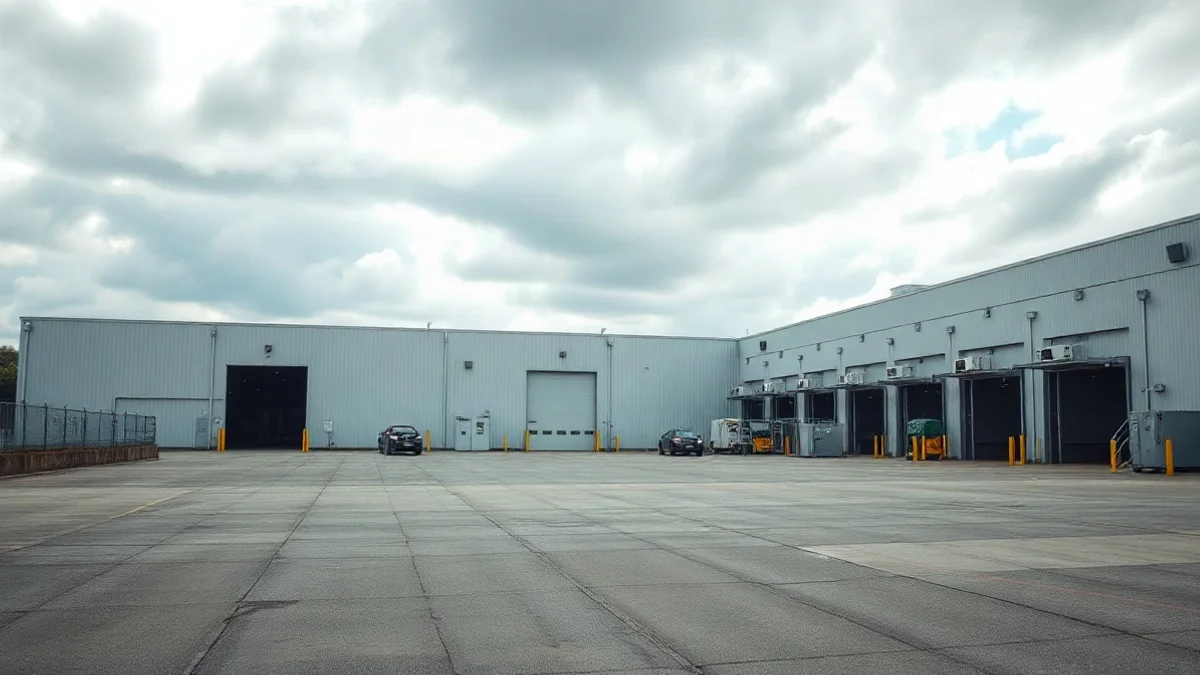
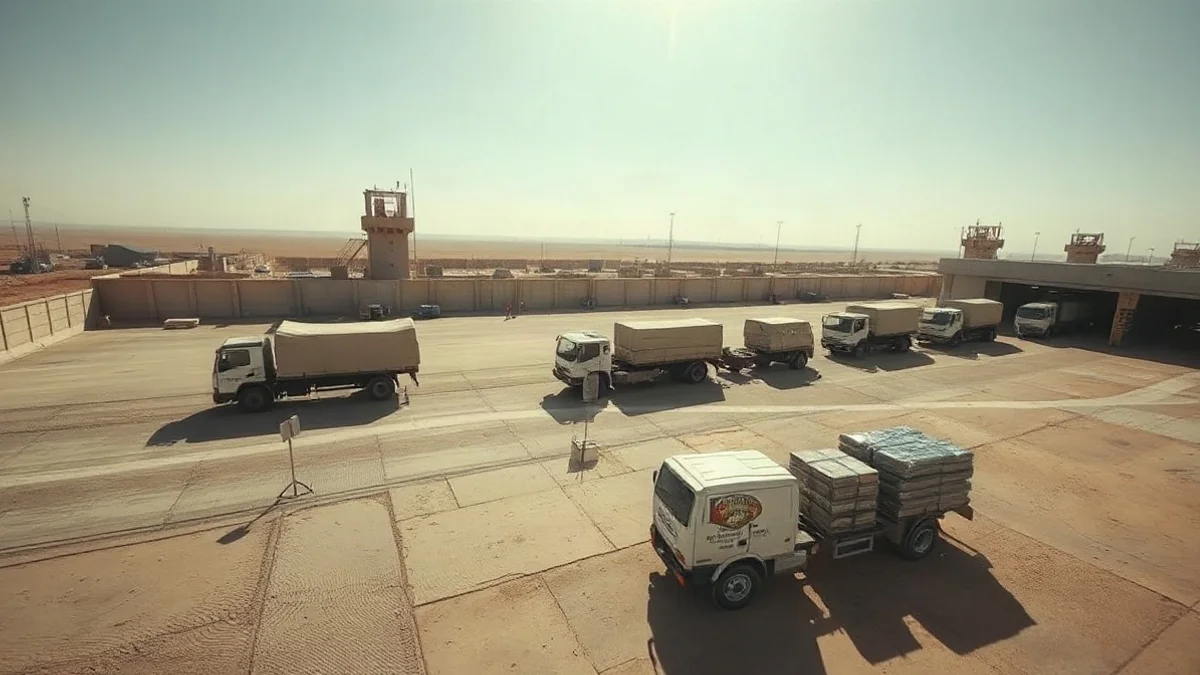
A multimillion-pound border inspection facility constructed at the Port of Portsmouth in the United Kingdom following the country's departure from the European Union faces potential demolition after operating for only two years. Built at a cost of 23 million pounds, the facility was designed to inspect food and agricultural imports under post-Brexit regulations. However, it now symbolizes millions in infrastructure investments that risk becoming entirely redundant as London and Brussels contemplate a revised trade agreement.
The anticipated bilateral accord, expected to receive formal approval during an upcoming summit, could eliminate border checks on livestock and agricultural produce. Under the prospective framework, staple goods including eggs, meat, and butter would resume flowing freely from Europe into the United Kingdom without requiring health certificates or costly veterinary inspections. While British ports welcome streamlined trade, port operators warn that the policy shift leaves them burdened by expensive, underutilized mega-facilities.
Mounting Costs and Underused Infrastructure
According to the British Ports Association (BPA), operators nationwide invested approximately 125 million pounds into establishing and maintaining border control infrastructure after Brexit, outpacing a 200 million pound government fund established in 2020. Central government projects faced similar challenges, most notably the Sevington complex in Kent. Constructed at a cost of 154 million pounds to accommodate up to 1,300 lorries in anticipation of post-Brexit gridlock, the site has faced potential government divestment.
Operational utilization remained exceptionally low after inspection facilities finally opened in 2024 following years of delays. Fearing that comprehensive checks would fuel food inflation and disrupt supply chains amid high inflation, the government adjusted its border model to focus exclusively on high-risk goods. Consequently, the Portsmouth facility—equipped with specialized refrigeration, freezers, and laboratories designed to handle 80 trailers daily—frequently averaged only two inspections per day. A comparable situation unfolded at the Port of Poole on England's southern coast, where local management reported running merely ten checks a month instead of the planned 30 weekly reviews.
Regulatory Dilemma and Demands for Compensation
Trade asymmetries remain stark, as European Union authorities inspect between 15% and 30% of incoming British food and plant shipments, whereas the United Kingdom inspects only 1% to 2% of imports from the bloc. Maintaining a major border inspection facility costs roughly 200,000 pounds annually even at low inspection volumes, prompting port operators to demand government compensation to cover adaptation or demolition expenses.
Mike Sellers, director of Portsmouth International Port, outlined the difficult choices facing local authorities:
"Or we'll have to repurpose the building, or we'll demolish it and clear the site."
Both alternatives would cost the local council, which operates the two-acre site, an estimated two million pounds. Trade advisors note that while easing agricultural checks benefits food supply chains, it raises complex questions regarding post-Brexit regulatory independence and existing free trade agreements with nations like Australia and India. Conservative politicians have criticized potential alignment with European Union food standards, arguing it compromises regulatory autonomy, while port executives insist taxpayers must bear the financial responsibility for shifting government border policies.