Study Finds 84% of Workers Experience Phone Snubbing During Meetings
A new study reveals that 84% of employees experience mobile phone snubbing during work meetings, leading to reduced confidence, lower engagement, and heightened workplace exhaustion.
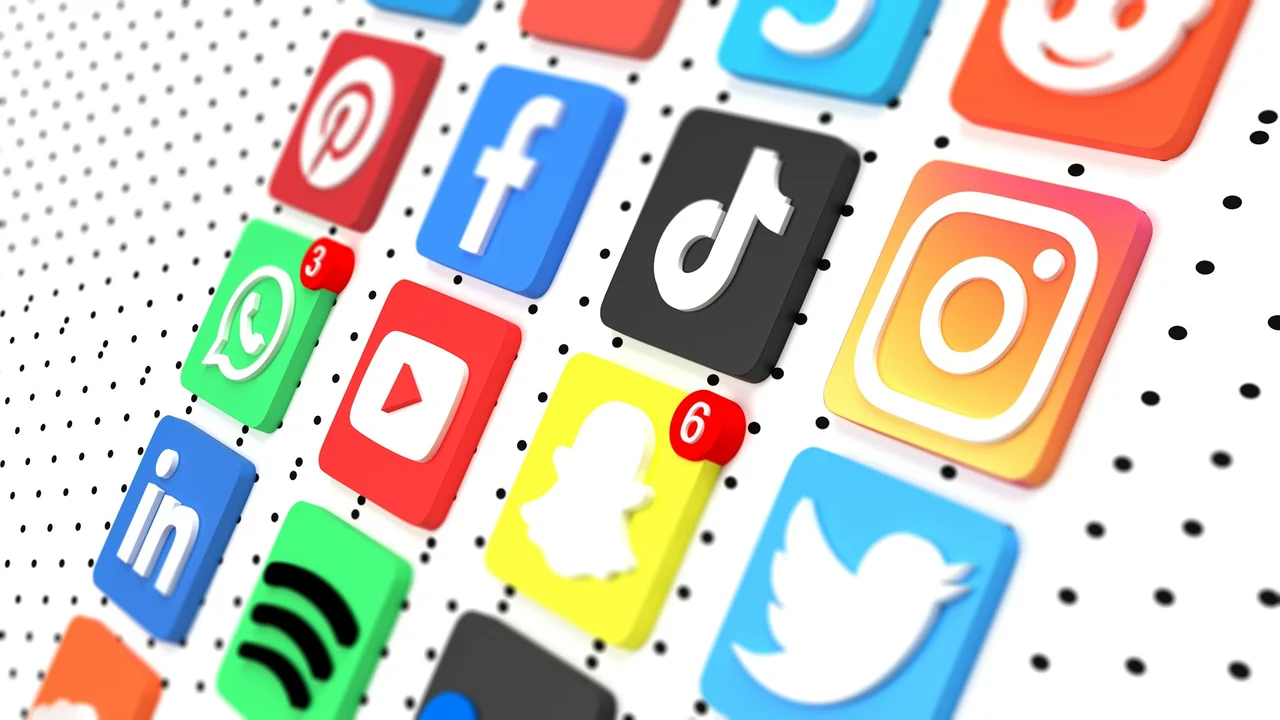
A new study reveals that 84% of employees experience mobile phone snubbing, known as phubbing, during standard work meetings. The research, conducted by Dr. Nirit Tushv-Eichner, a lecturer at the Peres Academic Center's business school, was published in the International Journal of Organizational Analysis and highlights the silent workplace dismissal that dampens employee confidence and engagement.
The study surveyed 373 employees immediately following real thirty-minute work meetings. Only 16% of participants reported no phone distraction during their discussions. Phubbing—a portmanteau of phone and snubbing—manifests equally across interactions with managers, peers, and subordinates alike.
Psychological Toll and Immediate Exhaustion
Employees subjected to phone distraction reported feeling less psychologically safe to voice opinions, sensed lower organizational support, and experienced immediate spikes in exhaustion and cynicism. Dr. Tushv-Eichner noted that while chronic burnout was not measured, these momentary states of fatigue occur during nearly every gathering.
Comparing workplace habits to domestic relationships underscores a striking behavioral gap. Prior research by Roberts and David from 2016 indicated that 46% of romantic partners experience phubbing at home, suggesting individuals maintain greater politeness with partners than colleagues or superiors.
"The person being ignored does not experience it as a mere distraction, they experience it as disrespect. The message they receive is that something else is more important than them at that moment," Dr. Tushv-Eichner explained.
Accumulation of Micro-Disrespect
While a single instance of distraction does not cause lasting harm, the cumulative effect of daily micro-disrespect erodes employee motivation, performance, and retention. Rather than enforcing blanket bans on mobile phones, researchers recommend establishing clear meeting attention norms, scheduling short breaks during lengthy sessions for message checks, and relying on management to model attentive behavior.