Microsoft Faces SignDrop Zero-Day Flaw in Windows 11 Allowing Privilege Escalation
Microsoft faces a critical zero-day vulnerability dubbed SignDrop in Windows 11, which allows local users to elevate privileges to SYSTEM and bypass security software.
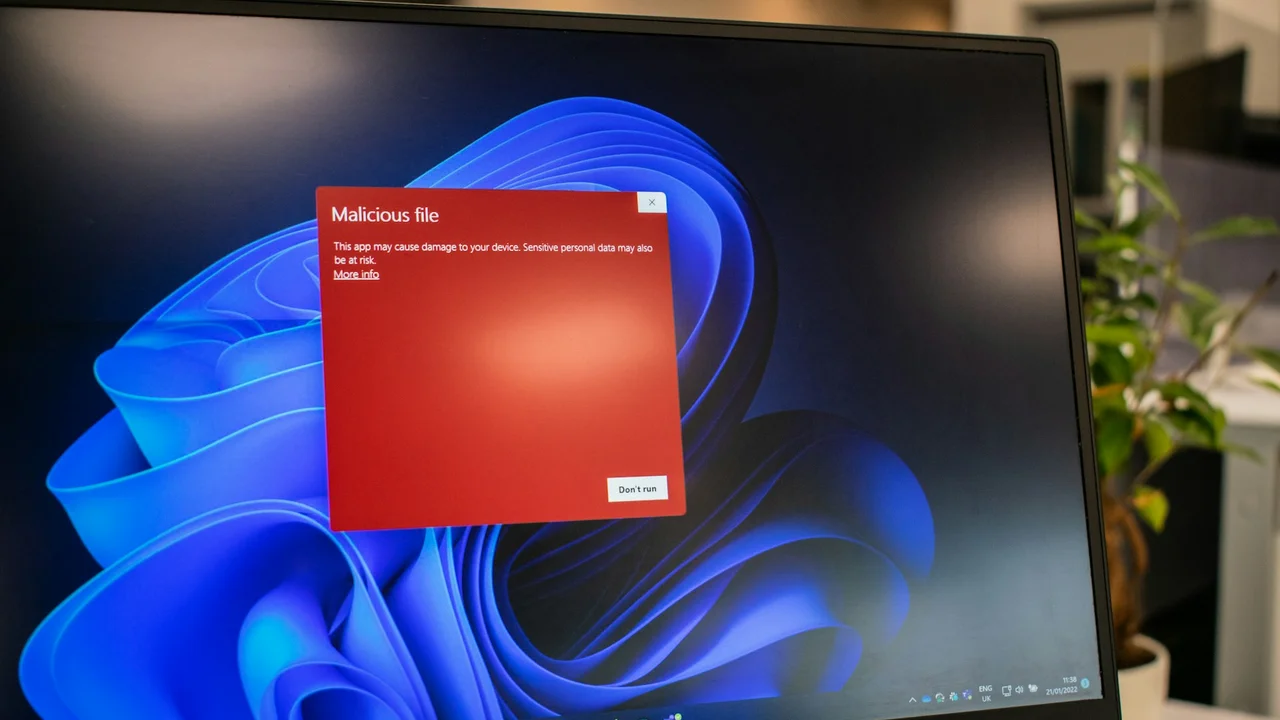
Microsoft is facing a severe cybersecurity challenge after an independent security researcher known as Nightmare Eclipse publicly disclosed details and an exploit code for a new zero-day vulnerability in the Windows operating system. The flaw, dubbed SignDrop, allows an attacker who has already gained local access to a computer with standard user privileges to elevate their permissions to the SYSTEM level, granting them the highest and most powerful control over the OS.
According to technical reports, the vulnerability resides within the Common Log File System, a core logging service utilized by user-mode and kernel-mode processes. Ironically, the attack weaponizes Microsoft's own security mechanisms and the built-in Windows Defender against the system. The exploit code invokes a legitimate Defender function used for signature updates and, through symbolic link manipulation in the Windows object manager, forces Defender to open a log file created by a standard user.
Independent security researcher Will Dorman confirmed that he successfully reproduced the attack, noting that it specifically targets computers running Windows 11 version 26H2 and experimental builds of Windows Server 2025 under precise configuration conditions. Dorman explained that the exploit requires systems running the update for more than 90 days with specific registry keys set to designated operational modes.
In response to the disclosure, Microsoft stated that it is investigating the findings and currently has no evidence that the vulnerability is being actively exploited in the wild. The company added that Windows Defender identifies and blocks potential exploitation attempts of this attack vector.