Wall Street Shifted From AI Hype to Strict ROI Scrutiny in Latest Earnings
Wall Street earnings reveal a shift from AI hype to strict ROI scrutiny. Apple faces margin pressures and leadership changes, Palantir grapples with valuation concerns despite strong growth, and semiconductor stocks dip amid rising infrastructure costs.
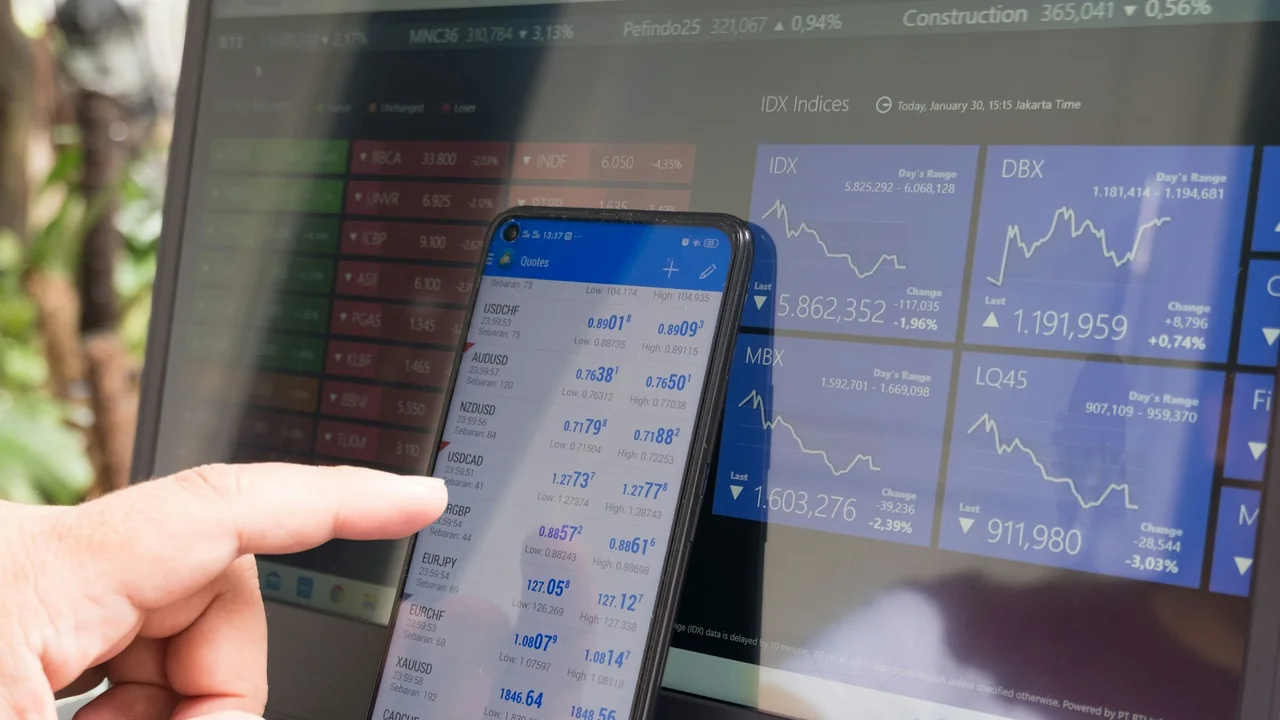
Wall Street's ongoing earnings season is raising fundamental questions about how the market evaluates the artificial intelligence revolution. While any mention of AI buzzwords used to send stocks soaring over the past two years, the latest reports present a completely different picture. The market is shifting from promises and hype to a strict test of return on investment, economic feasibility, and bottom-line profitability.
Hardware giants are discovering that supply chains and component prices are becoming major bottlenecks, software companies are showing erratic growth with some firms collapsing, and tech giants are trying to balance financial discipline against the fear of lagging behind in the fierce race.
Apple: The CEO's Dilemma
Apple's earnings bright spot was record-breaking sales in China, posting a 21% quarterly increase and 28% annual growth. Analysts attribute this to strong demand for Apple's premium devices, alongside a strategic decision to delay price hikes compared to competitors Huawei and Xiaomi.
Yet even positive news from China could not mask the broader picture: Apple's growth engine is sputtering. Disappointment stems from relatively high stock valuations, a squeeze in gross margins due to rising memory chip costs, and a slowdown in the lucrative services division. The latter is facing heavy regulatory pressures and legal battles, such as moves by OpenAI and other developers to bypass App Store commissions.
Furthermore, the past quarter marked a leadership transition as Tim Cook stepped down as CEO, replaced by John Ternus. Although several advanced products were recently launched to serve as growth engines, Ternus has had to contend with lowered expectations and profit-taking in after-hours trading from day one.
Wall Street's high expectations present the incoming CEO with a complex dilemma: whether to raise prices and risk slowing down upgrade cycles, especially as the company battles supply chain hurdles and extended wait times for its new foldable device.
Palantir: Sharp Surge and Market Concerns
Market anxieties are starkly evident around Palantir's earnings. The stock surged nearly 900% in three years, pushing the company to an unprecedented market cap of over $400 billion. The quarterly report showed stellar numbers: a 96% jump in revenue to $2.31 billion, substantial profitability, and a historic milestone as U.S. commercial revenue surpassed government revenue for the first time.
However, when a company trades at lofty valuation multiples, being good is not enough—it must excel. Despite raising its annual forecast, the stock dropped in after-hours trading as investors identified a slowdown in quarterly growth, projecting just 15% for the next quarter compared to 20% previously.
Palantir faces structural challenges. Model providers like OpenAI and Anthropic threaten to offer data analysis at significantly lower costs, which could erode Palantir's margins. Additionally, European pressures regarding contract cancellations over privacy concerns and military ties linked to Israel add to the headwinds.
Chip Stocks: Can Demand Sustain?
These woes compound the situation in semiconductor companies providing computing infrastructure. A major question is whether tech and cloud giants requiring massive computing power will continue purchasing chips at the same pace. Nvidia's stock fell roughly 15% over the past month, shedding hundreds of billions in market value.
Investors recognize that the free cash flow of top clients like Meta, Google, and Amazon is dropping dramatically due to capital expenditures. The fear is that cloud giants will be forced to halt purchasing sprees and cut chip orders by 2027.
According to Sergey Vaschilonok, senior analyst at Oppenheimer, AI investments have reached an extreme, triggering cash burn even among giants like Amazon, Meta, and Google. The primary concern is that due to rising input costs for data centers, actual investments will fall below market pricing, and hyperscalers may fail to meet their capital expenditure plans.