US Manufacturers Accelerate Robot Adoption to Combat Severe Labor Shortages
US manufacturing firms are rapidly adopting industrial robots and collaborative cobots to combat severe labor shortages, surging 25 percent in third-quarter 2026 orders amid rising global competition.
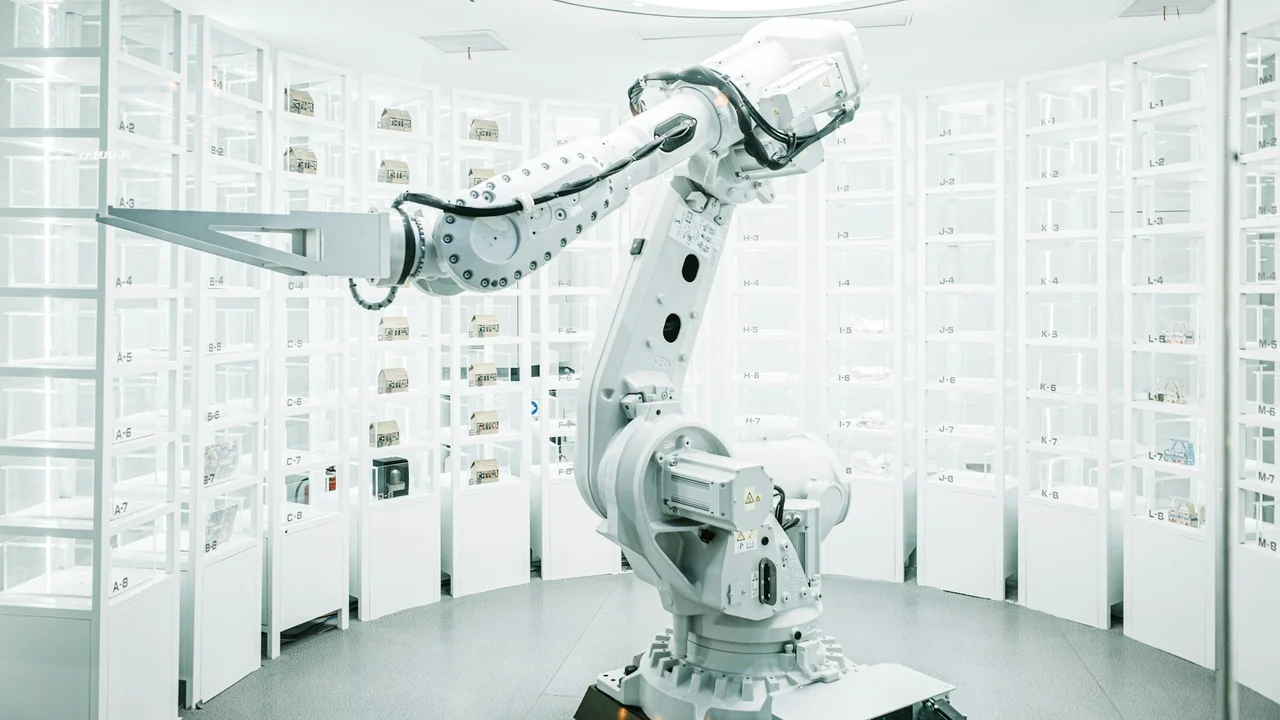
American companies are rapidly rushing to install industrial robots in factories and warehouses as soaring operating costs and an escalating labor shortage threaten to stall momentum in the manufacturing sector. Approximately 11,000 robots were ordered by firms across the USA in the third quarter of 2026, marking a 25 percent increase compared to the previous year. Orders for collaborative robots, known as cobots, surged by 56 percent.
According to Peggy Johnson, CEO of robot manufacturer Agility, which went public on Nasdaq this month, numerous factories face an existential threat due to a worsening workforce deficit. The aging labor force traditionally handling manual tasks is approaching retirement, while younger generations are largely avoiding this type of employment. The USA has historically utilized tax incentives and tariffs to encourage domestic manufacturing, driven by concerns over industrial slowdowns and rising competition from China, alongside pandemic-era pressures to reduce reliance on global supply chains.
The Shift Toward Factory Automation
These economic factors triggered hundreds of billions of dollars in industrial investments over the past decade. However, rising inflation and shifting tariff policies under Donald Trump have caused manufacturing-related construction spending to decline since 2025, while employment levels remained virtually unchanged. Mike Conway, a partner at McKinsey, noted that rather than constructing new facilities, most firms prefer maximizing dormant manufacturing capacity within existing plants through automation. Industry advocates emphasize that automation relieves human workers from dull, dirty, and dangerous tasks such as routine inspections, heavy lifting, and handling hazardous materials.
While advanced robotics were once restricted to large-scale operations like automotive manufacturing, technological advancements have made them accessible to significantly smaller enterprises. Nevertheless, some analysts warn that the current automation pace in the USA remains insufficient for global competitiveness. Given that labor costs in the USA significantly exceed those in China, American firms must drastically accelerate their technological integration. Robert Atkinson, founder of the ITIF research institute, cautioned that without tripling robotic automation within five to eight years, the nation risks losing a substantial share of its remaining manufacturing base to China.
Policy Conflicts and Maintenance Bottlenecks
A central irony persists as most installed robots are manufactured abroad, highlighting contradictions within trade policies. While the administration seeks to revitalize domestic industry, officials face rising robot imports. The Department of Commerce reported that industrial robotic equipment and components are imported in quantities that could potentially threaten national security. However, the White House confirmed that no additional national security tariffs will be imposed because domestic production falls short of demand, and the nation lacks the capacity to supply its own industrial robotic equipment locally.
Compounding these challenges, the shortage of skilled labor also impedes automation efforts itself. A severe deficit exists for specialized technicians required to install and maintain advanced robotic systems, surpassing shortages in almost every other skilled labor category. Experts stress that investing in incremental productivity gains is insufficient, as competitors abroad construct state-of-the-art facilities from the ground up with superior equipment and technology.