How Cryptocurrency Fuels Modern Warfare Across North Korea, Ukraine and Russia
Digital currencies increasingly fund modern conflicts, with North Korea executing billions in cyber thefts, Ukraine crowdsourcing public donations, and Wagner-linked units utilizing malware.
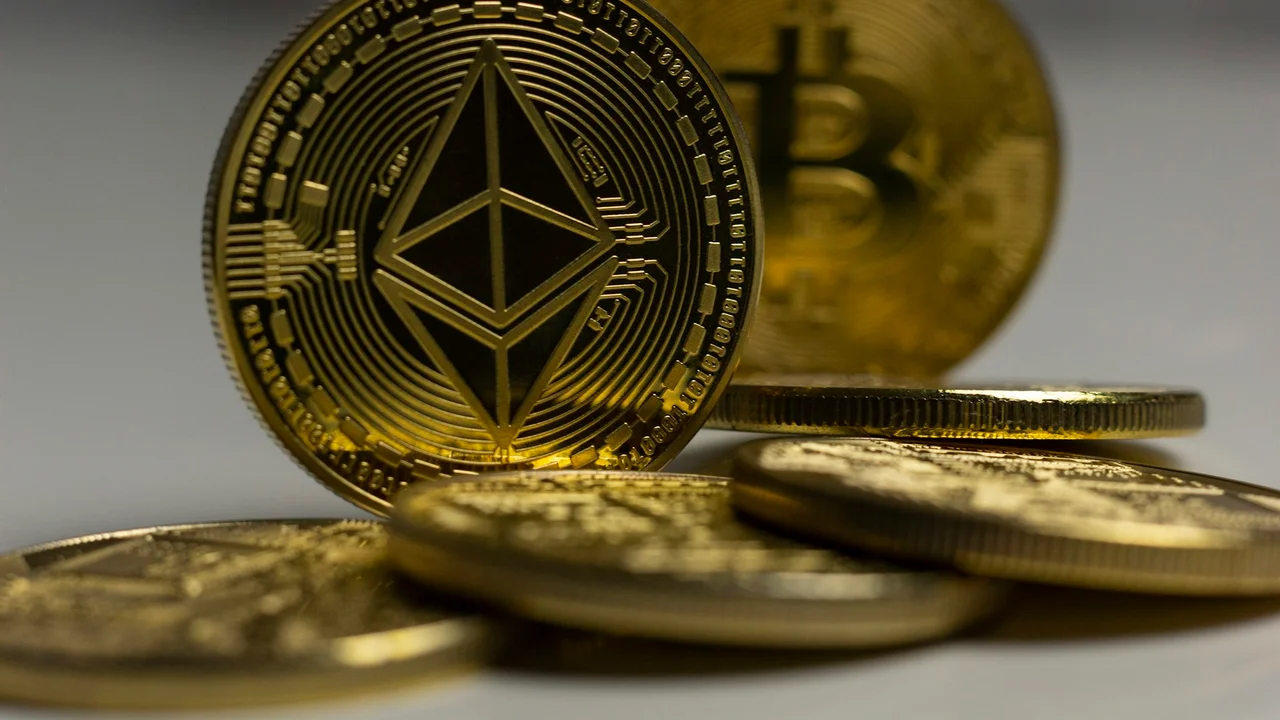
Modern warfare extends far beyond traditional tanks, missiles, and weapon systems. A digital financial front has emerged behind military operations, where Bitcoin, stablecoins, and privacy coins facilitate fund transfers, donations, and illicit financing. Three distinct cases illustrate how governments and military-linked organizations utilize digital assets for vastly different objectives: North Korea, Ukraine, and networks associated with Russia's Wagner private military company.
North Korea: Cyber Theft over State Fundraising
One of the most heavily documented cases involves North Korea, which deploys state-sponsored cyber units to steal digital assets and finance regime activities and weapons programs. According to a report by the UN Panel of Experts published in 2025, North Korean hackers stole at least $1.19 billion in cryptocurrency throughout 2024, followed by another $1.65 billion between January and September 2025. The report highlights the February 2025 breach of the Bybit exchange, which resulted in the theft of approximately $1.4 billion. In November 2026, the U.S. Department of Justice announced actions against infrastructure utilized by North Korea to steal more than $400 million through a social engineering attack campaign dubbed FaceStealer.
Ukraine: Public Crowdfunding and International Support
On the opposing side of the conflict, Ukraine integrated cryptocurrency to secure international support following the Russian invasion in February 2022. The government published official wallet addresses for donations in Bitcoin, Ethereum, Tether, and other assets shortly after hostilities began. By March 3, the Ministry of Digital Transformation reported raising more than $53 million to support the military, equipment procurement, and humanitarian initiatives. Data published by blockchain analytics firm Elliptic indicated that donations to the government and supporting organizations eventually expanded by tens of millions of dollars.
However, transparency challenges also surfaced. An investigative report published in November 2026 questioned the total donation volume of the Aid For Ukraine initiative, pointing to discrepancies between the contribution amounts tracked by Elliptic and the expenditures reported by organizers. The investigation highlighted an ongoing inquiry regarding the transfer of approximately $12.2 million earmarked for drone procurement that the Ukrainian military allegedly never received. These remain unverified suspicions and ongoing investigations rather than definitive proof that donations were entirely misappropriated.
Wagner-Linked Networks: Crowdfunding and Malware
Russian-aligned forces have similarly established a presence in the cryptocurrency ecosystem. A study published by TRM Labs in March 2026 focused on Task Force Rusich, a paramilitary unit affiliated with the Wagner private military network. Researchers identified a crypto wallet address utilized for crowdfunding that was embedded directly within the source code of malware designed to steal digital assets. According to the research, transaction volumes across wallet networks linked to this apparatus reached at least $6 million. Analysts also uncovered indicators pointing to potential Monero cryptocurrency mining operations executed via compromised computing systems without the owners' knowledge.
These three scenarios demonstrate contrasting applications of decentralized financial technology: a state funding itself through systemic cyber theft, a government crowdsourcing public donations for defense, and a paramilitary force combining grassroots fundraising with malware campaigns. While cryptocurrencies do not replace traditional military budgets, they provide a borderless, rapid, and often difficult-to-regulate financial conduit. As regulatory bodies attempt to restrict illicit fund flows, the battle for digital wallets has become an integral theater of modern conflict.