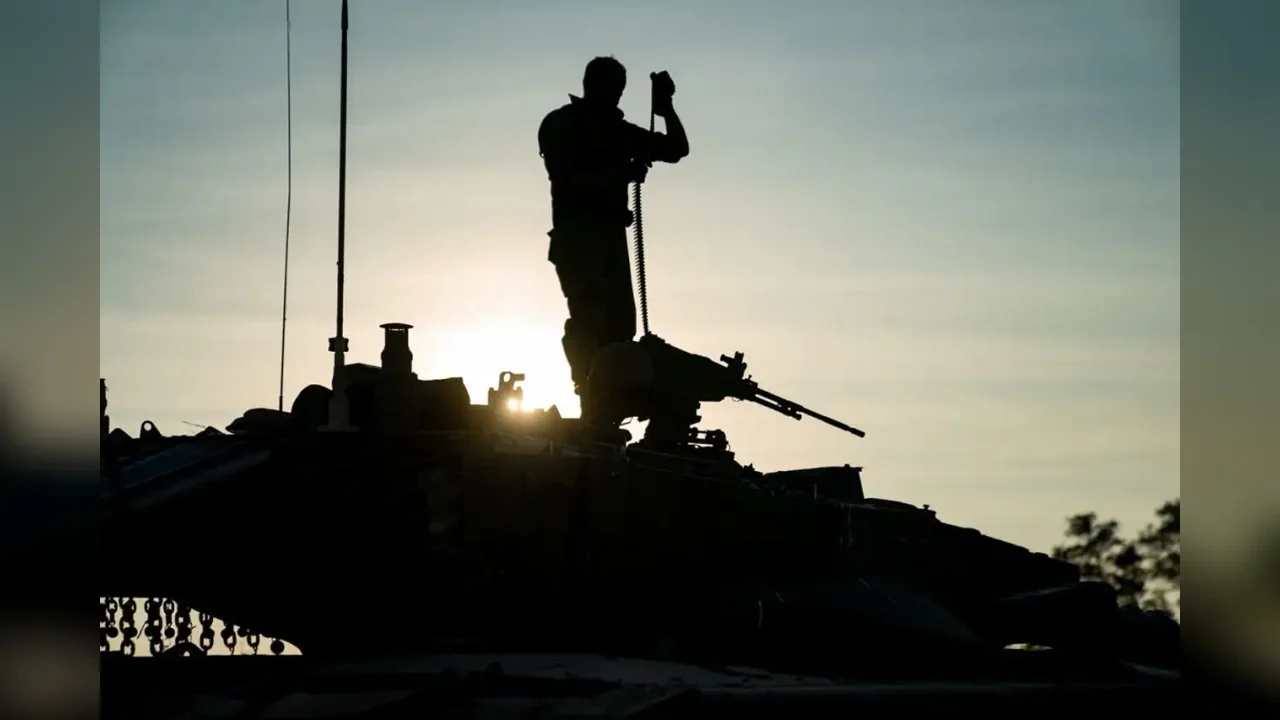
US Investigates Suspected Iranian Cyberattacks Targeting Global Oil Tankers
The United States is investigating potential Iranian cyberattacks targeting around 50 oil and gas tankers worldwide, involving bomb threats and extortion demands against vessels.
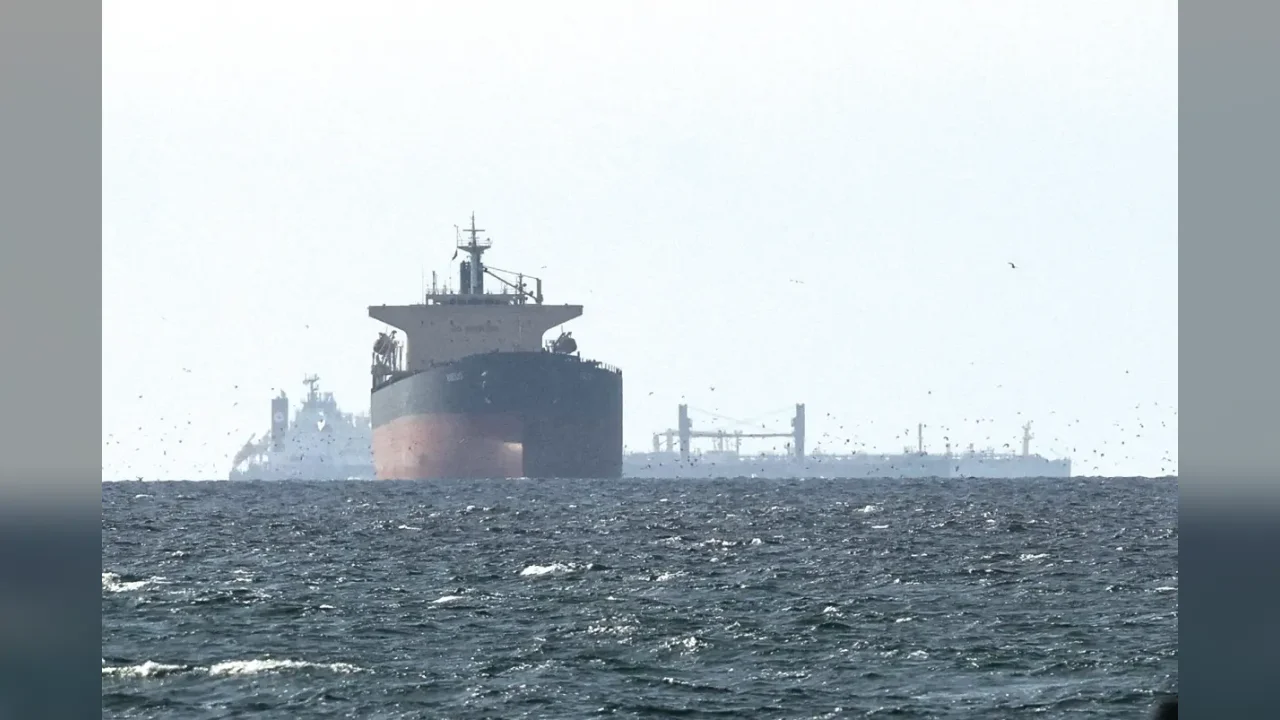
The United States is investigating potential Iranian involvement in a coordinated campaign of dozens of cyberattacks targeting oil and gas tankers, raising concerns that Tehran is expanding hostilities beyond the Middle East. According to American officials and industry sources, approximately 50 commercial vessels carrying crude oil, liquefied petroleum gas, chemical products, and explosives have been compromised.
Several targeted vessels received direct bomb threats warning that the ships could be intentionally detonated. While Iran remains the primary suspect, U.S. authorities are also examining whether Russia could be playing a role in the cyber offensive. The attacks and accompanying threats have fueled anxiety that hostile state actors are seeking to sow panic across maritime shipping lanes, disrupt critical supply routes, or orchestrate disasters in major ports far from traditional conflict zones.
Maritime Vulnerabilities and Interventions
Modern commercial vessels rely heavily on integrated digital systems, leaving them vulnerable to cyber breaches that could theoretically cause collisions, propulsion failures, or chemical spills. Initial reports of the cyber incursions surfaced across Iranian and Russian Telegram channels, with posts linking the operations to the ongoing geopolitical standoff between Washington and Tehran. In several instances, targeted crews were entirely unaware that their systems had been accessed.
The United States Coast Guard deployed specialized cyber-protection teams to board at least four vessels as they approached American ports in recent weeks. The intervention teams neutralized digital threats before allowing the ships to dock. Similar incidents were reported near European and Asian waters. In September, two tankers, the VL Prosperity and the Kohaku, experienced cyber intrusions while en route to Texas and subsequently received bomb threats.
Extortion Demands and Threat Messages
A public extortion note published in a Russian-language shipping Telegram channel targeted the captain of the VL Prosperity, labeling the voyage a planned operation. The message accused the ship of transporting Saudi oil to American ports and acting as an accomplice to U.S. and Israeli actions. The vessel management company confirmed that U.S. authorities conducted an on-board cybersecurity inspection and cleared the ship for regular operations, though it declined to address the ransom note.
Another threatened vessel, the Vivit Africa, was carrying liquefied natural gas from the United States to Italy when it was attacked, exhibiting erratic navigational patterns near European waters. An executive with a European shipping firm reported that two ship officers received threatening text messages while transporting natural gas from Louisiana to the Mediterranean. The messages warned that traitorous ships would burn in hell and that crews would be hunted globally. Additional threats delivered in Persian warned vessels against loading American cargo.
Industry Response and Threat Assessment
U.S. officials noted that attackers have exploited known security vulnerabilities in Fortinet FortiGate routers, which are widely utilized throughout the maritime industry. In September, the Coast Guard Cyber Command and the FBI issued a joint alert warning that state-sponsored actors were actively exploiting vulnerabilities in marine hardware.
Alon Arvatz, founder and partner at Israeli maritime cybersecurity firm Cydome, emphasized the evolving nature of the threat. "What we are seeing in 2026 is that ships are no longer collateral damage in cyber campaigns, they are targeted targets," he noted, adding that many commercial vessels maintain less robust cybersecurity than a mid-sized corporate office.
While industry experts suggest that scenarios involving remote steering of ships into bridges or ports remain unrealistic due to manual override controls, cyberattacks can cause temporary propulsion shutdowns, massive supply chain delays, and millions of dollars in financial losses. These maritime digital attacks unfold concurrently with ongoing Iranian naval harassment in the Strait of Hormuz, as U.S. intelligence officials warn that threats against American interests abroad have escalated significantly.