Eli Feldstein Demands Return of Seized iPhone in Classified Documents Case
Eli Feldstein has demanded the return of his iPhone 16 seized over two years ago in the classified documents affair, citing privacy violations and interference with his legal defense.
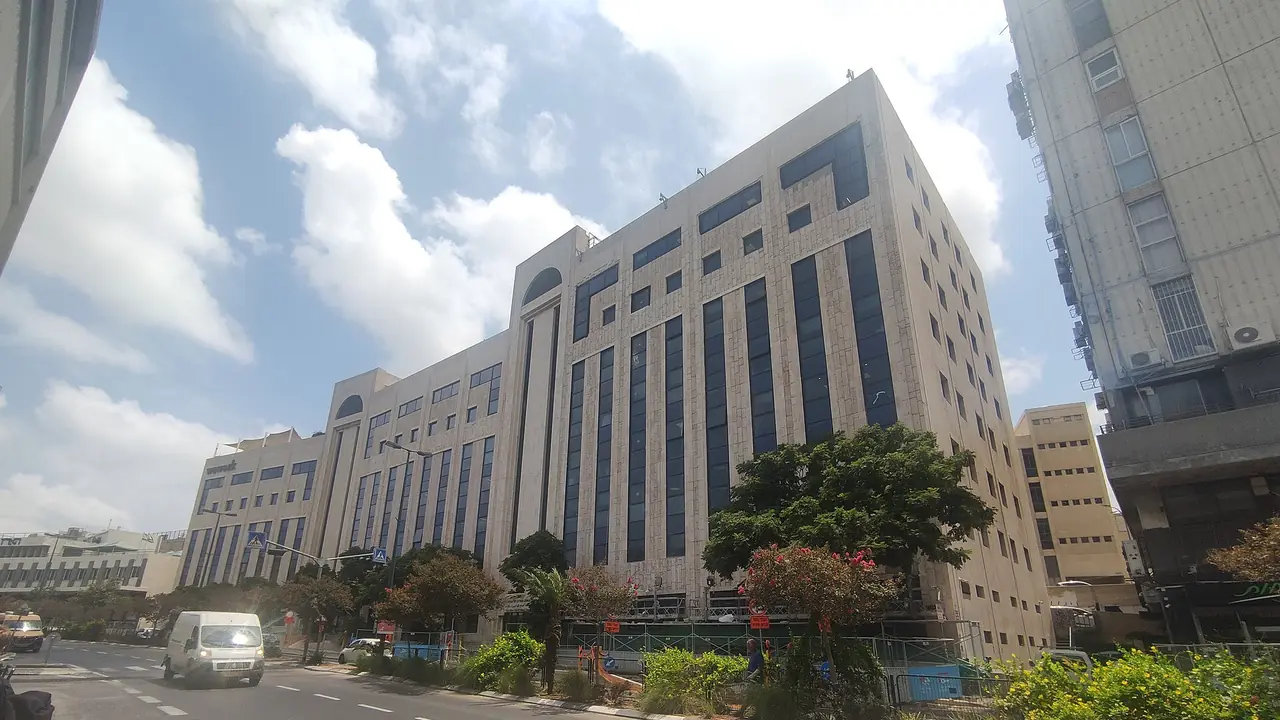
More than two years after his arrest in the classified documents affair, Eli Feldstein is demanding the return of his iPhone 16, which was seized from his home during the investigation.
In an official motion filed by his defense counsel, attorney Sivan Hauzman, with the Tel Aviv District Court, the prosecution is accused of refusing to return the device and of blocking access to personal and business data stored within it. According to the legal team, the state continues to hold the smartphone without adequate justification, infringing upon property rights, privacy, and the defendant's ability to prepare his legal defense.
Seizure and Ongoing Legal Dispute
The phone was confiscated on October 27, 2024, the day of Feldstein's arrest, alongside an Apple computer. While the computer was returned in August, the smartphone remained in state custody. Defense attorneys stated that for roughly a year, they attempted to reach an agreement with the prosecution regarding the return of the device or the extraction of its contents, but those efforts failed.
In late November 2025, the defense formally requested the return of the seized items. The Central District Prosecutor's Office responded a month later, asserting that the phone yielded critical evidence essential for the legal proceedings and that prosecutors intended to use it at trial. The state added that the device serves as evidence against additional suspects whose consent for its return cannot currently be obtained.
A central point of contention involves Israel Einhorn. In correspondence dated August 10, the prosecution identified Einhorn as the secondary suspect preventing the release of the phone. Prosecutor Adi Arad wrote that given the circumstances, it was not feasible to solicit Einhorn's position regarding the device.
Defense Objections and Privacy Concerns
The defense rejects this rationale, noting that although Einhorn is not in Israel, he has undergone questioning under rogatory commission and is represented by an Israeli attorney who could be contacted. Lawyers argued that the prosecution made no genuine attempt to secure consent and therefore cannot rely on its absence to retain the property.
Furthermore, the defense challenged the prosecution's claim that the device is also held under a parallel investigation. Lawyers maintained that despite repeated inquiries, the state has produced no formal documentation or judicial ruling authorizing continued retention under another case.
The legal team criticized the state's proposal to permit only targeted extractions of specific data. Defense attorneys refused to submit a list of required materials, arguing that doing so would compromise litigation strategy and expose confidential personal information to the prosecution.
"The applicant's information is necessary for him, and he should not have to filter it and explain what is required and what is not, especially when legal proceedings are underway and the applicant must not compromise his defense by guiding the respondent on what is relevant," the motion stated.
Citing Supreme Court precedent concerning privacy violations associated with mobile phone seizures, the defense emphasized that modern digital devices contain deeply personal records requiring heightened judicial caution. Attorneys Oded Savoray and Sivan Hauzman asked the court to order the state to return the mobile phone or, alternatively, to permit a full duplication of its contents via an independent expert.