IDF Faces Severe Equipment Wear With Armored Vehicle Readiness at 70%
Following over three years of continuous combat, IDF tank and armored vehicle readiness stands at 70%. The military is planning a comprehensive restoration effort for 2027 to address equipment wear and infrastructure gaps.
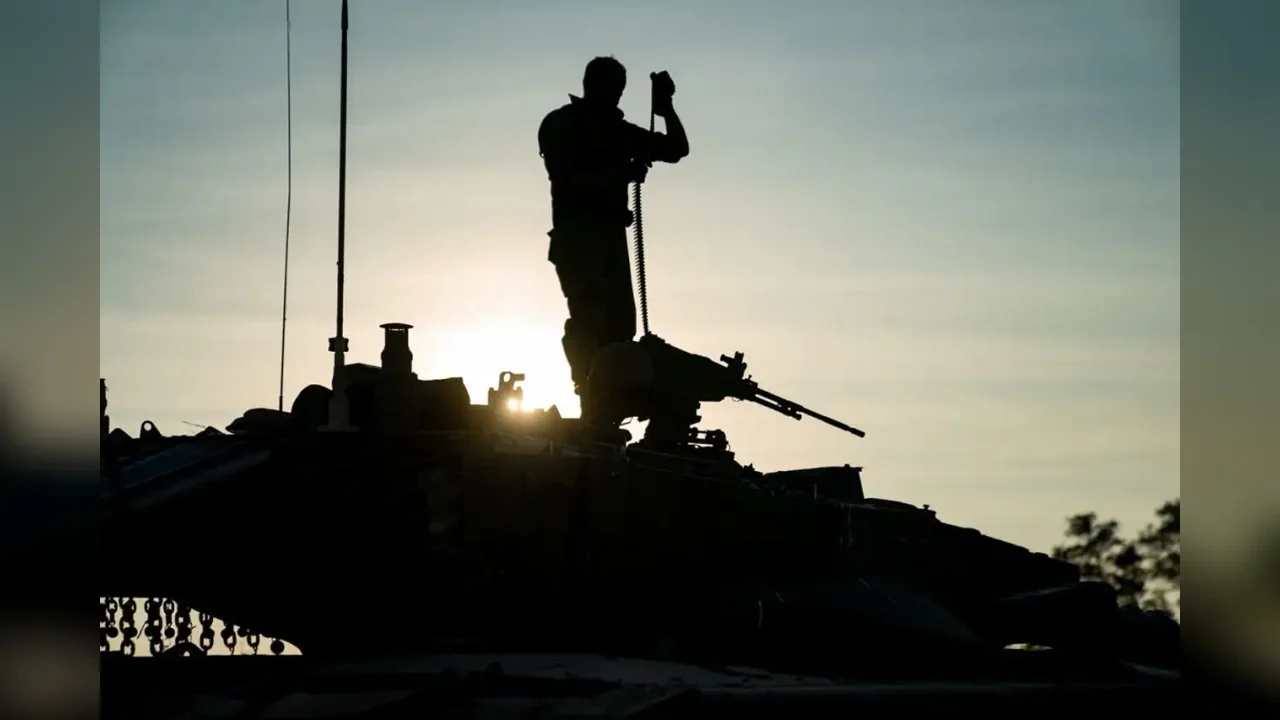
After more than three years of intensive combat operations across multiple fronts, the Israel Defense Forces faces a significant operational challenge regarding the wear and tear of its military hardware. While the Technological and Logistics Directorate has successfully repaired over 9,600 bulldozers, replaced or restored more than 17,000 power packs, and returned approximately 900 armored combat vehicles to service, overall tank and armored vehicle readiness currently stands at only 70 percent.
Evolving Role of Technical Personnel Under Fire
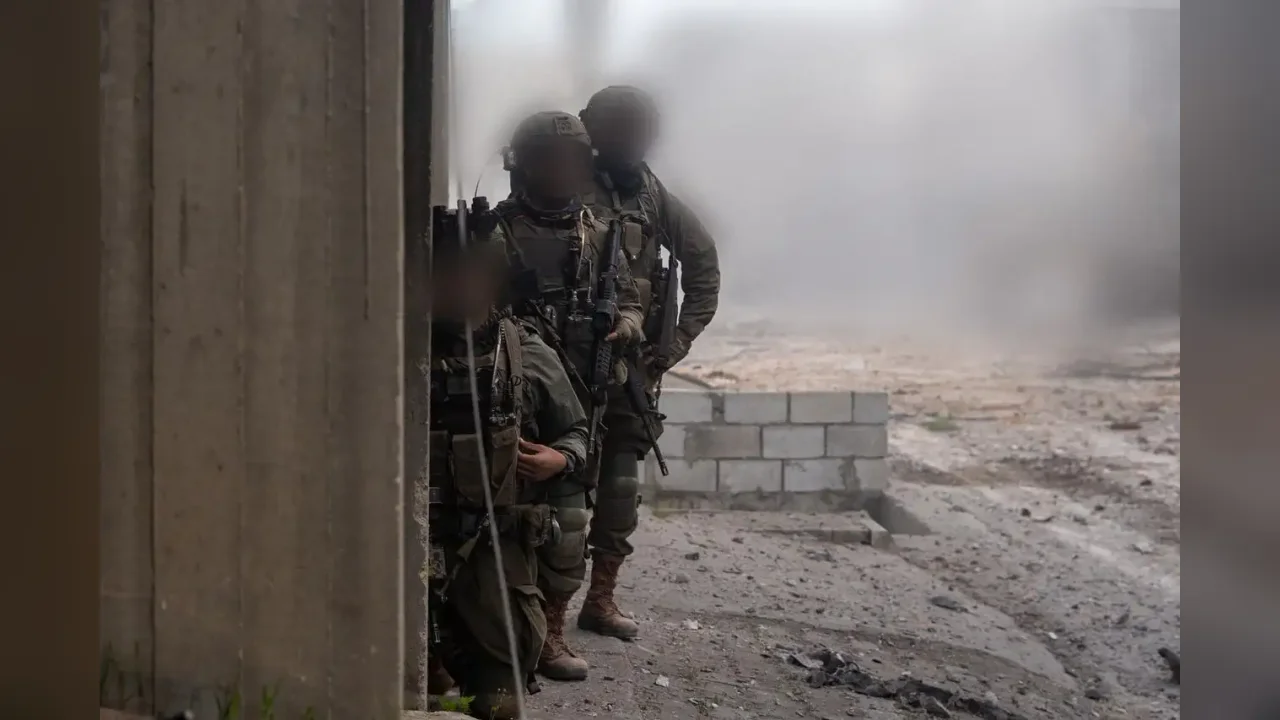
The nature of modern warfare has fundamentally transformed the role of maintenance personnel on the battlefield. Rather than operating strictly from secure rear bases, technical teams have been deployed to the forward edge of combat, operating deep within the Gaza Strip, refugee camps in the West Gate and West Bank, and the Beaufort region in southern Lebanon. Working close to enemy lines and often under direct fire, more than 25,000 personnel in the corps have focused on rapid recovery and field repairs to maintain force continuity, sustaining 24 fatalities and over 900 injuries throughout the conflict.
The Shift Toward Deep Restoration
Military authorities emphasize that continuous tactical patching can no longer replace thorough, systemic rehabilitation. Many combat vehicles, weapons systems, and mechanical assemblies require weeks of comprehensive overhauls that were previously deferred due to ongoing operational demands. The IDF has designated 2027 as a pivotal year for complete restoration, aiming to address critical infrastructure gaps, replenish spare parts inventories, and thoroughly inspect hardware as the military prepares for potential escalations, including scenarios involving Iran.
Logistics and Infrastructure Upgrades
To evaluate readiness firsthand, Head of the Technological and Logistics Directorate Major General Rami Abudraham and Chief Technological and Logistics Officer Brigadier General Moshe Artzi have conducted extensive inspections across military bases, including outposts in Samaria. These assessments encompass winter equipment supply, medical readiness, and base infrastructure. The Central Command is concurrently reorganizing its deployment in the West Bank to support newly established communities and agricultural outposts, ensuring that long-term logistical frameworks match the expanded operational footprint.
"It is critical to give the equipment a chance to undergo rehabilitation. These are things that have not been done since the beginning of the war. This involves tanks, weapons, and more. The IDF needs this," sources familiar with the process explained.
Retaining skilled technical personnel remains a paramount challenge alongside hardware restoration. After years of prioritizing immediate combat support, the military faces the complex task of rebuilding its foundational maintenance capacity, upgrading base facilities, and ensuring that technical infrastructure can sustain the forces in any future conflict.