Iconic Arava Restaurant Ursula Closes Permanently After Nine Years
Ursula, a prominent restaurant in the Central Arava settlement of Tzukim, is permanently closing its doors after nine years due to severe economic pressures, declining tourism, and heavy taxation.
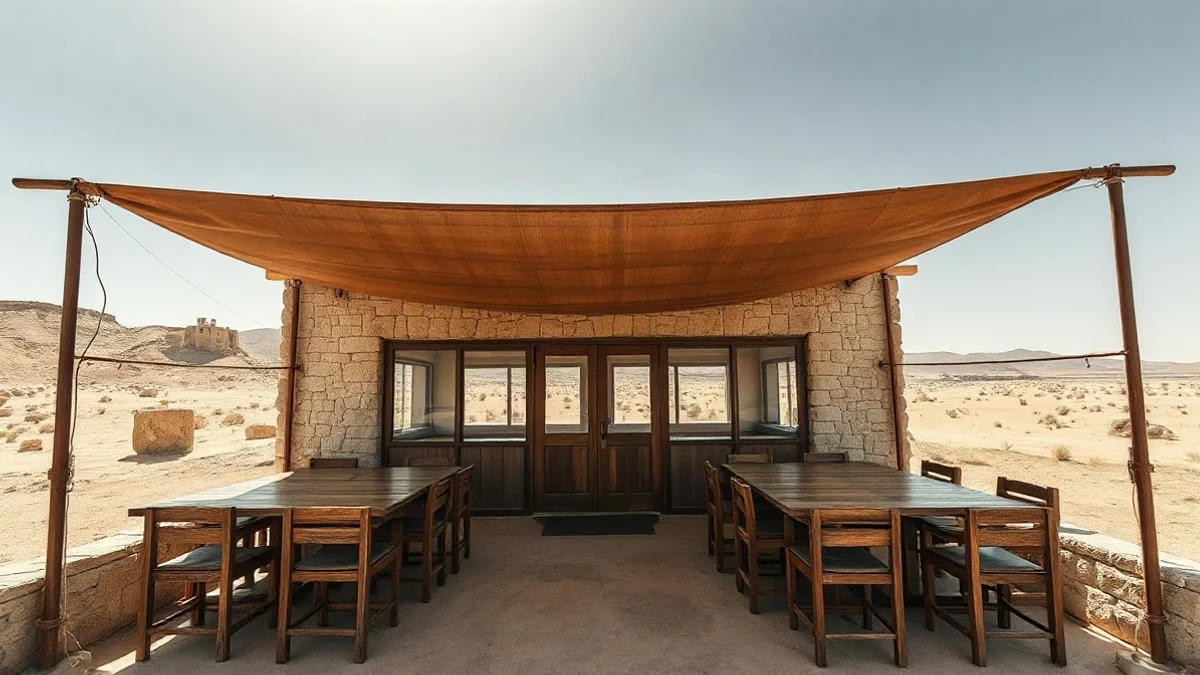
The ongoing crisis in Israel's restaurant industry has claimed another prominent culinary landmark in the country's periphery. Ursula, a popular dining establishment operating in the remote community of Tzukim in the Central Arava region, has officially announced its permanent closure after nine years of operation.
Initially, the owners attempted to transfer the enterprise by offering the fully equipped venue, including all infrastructure and digital assets, for a key money payment of 350,000 shekels plus VAT. However, failing to secure a buyer, the proprietors were left with no alternative but to shutter the business for good.
Challenges Facing the Culinary Sector
The closure stems from a combination of severe structural and economic pressures. The venue struggled with a remote geographic location characterized by a sparse local population, alongside the devastating impact of prolonged security escalations on tourism and traveler traffic. Heavy taxation and stringent regulatory demands further eroded profit margins, rendering operations unsustainable.
Restaurant owner Daniel Netzer highlighted the insurmountable financial hurdles facing regional operators amid surging overhead costs:
"There is a limit to the prices you can charge customers. A realistic menu today needs to be 30% more expensive, and the taxation is simply impossible."
Netzer also pointed to a lack of adequate state support for businesses operating in isolated regions, noting that enterprises must sustain themselves across twelve months despite having only eight months of active tourism. He questioned why tax exemptions akin to those in Eilat are not extended to the Arava to stimulate regional economic activity.
The collapse of Ursula reflects a broader nationwide trend affecting everything from upscale urban eateries to regional culinary institutions. Industry operators continue to face mounting material costs, ongoing wartime disruptions, and heavy regulatory burdens, underscoring urgent calls for government intervention to prevent further closures across the hospitality sector.