Hackers Exploit Workshop Diagnostic Software to Infiltrate Automakers
Israeli cybersecurity firm Upstream Security uncovered a global campaign where attackers distribute fake automotive diagnostic software on GitHub, risking vehicle safety and data.
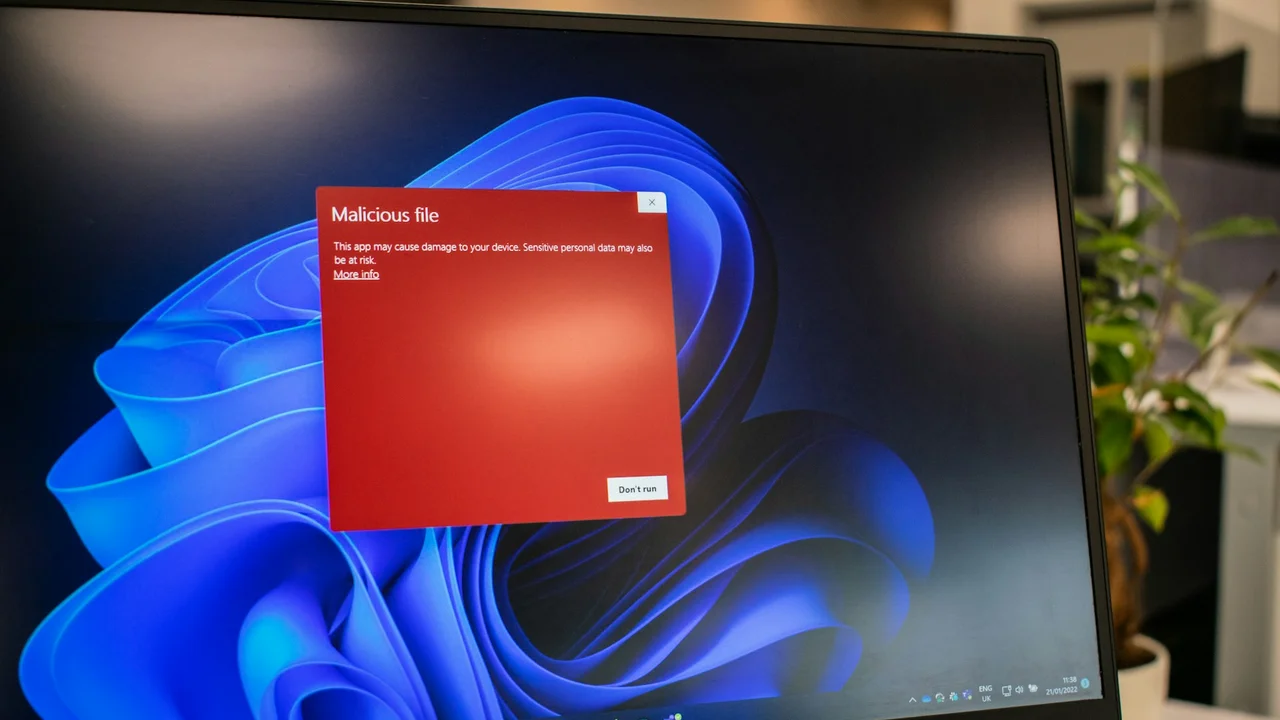
A research team from the Israeli cybersecurity firm Upstream Security has uncovered a novel cyberattack vector that exploits the trust placed in automotive diagnostic software to infiltrate major vehicle manufacturers. Threat actors are impersonating carmakers and established automotive software vendors by uploading malicious versions of professional workshop diagnostic tools to the GitHub platform.
To construct a convincing trap, the attackers combine legitimate open-source code with artificial intelligence-generated text designed to manipulate Google search engine results. When a technician, automotive enthusiast, or researcher searches for these tools and executes the installer, a hidden script redirects them to an external server and infects the machine with credential-stealing malware.
The Vulnerability of Connected Workstations
The threat extends far beyond a single infected workshop computer. Modern repair facilities utilize workstations that maintain continuous connectivity to cloud infrastructure and official automaker servers. To diagnose faults or execute software updates for vehicle computers, these terminals store essential access tokens, security certificates, and authentication credentials that verify them as authorized entities with the manufacturer.
If workshop hardware is compromised, attackers can harvest these privileges to bypass standard authentication mechanisms and connect remotely to official automaker portals as if they were authorized service centers. Researchers emphasized that the discovery highlights an active attack infrastructure rather than a breach of a specific repair facility.
Because the malicious repositories are hosted on platforms perceived as trustworthy and promoted via search engines, the global campaign targets European, American, and Asian automotive brands distributed worldwide, including in Israel. Technicians and independent garages everywhere who search online for diagnostic utilities risk encountering these deceptive pages.
Risks to Vehicle Security and Personal Data
Compromised access to official manufacturer portals exposes sensitive data and creates multiple vectors for severe disruption. Most critically, unauthorized access can permit the generation of key duplication codes, the disablement of security features such as immobilizers, and direct alterations to vehicle computers, facilitating vehicle theft or physical safety hazards.
Additional risks involve the theft of personal information linked to Vehicle Identification Numbers, including owner details, maintenance histories, and diagnostic logs. Furthermore, unauthorized entry can expose signed firmware files useful for reverse engineering, enabling financial fraud such as fraudulent warranty claims or unauthorized parts ordering.
To mitigate these threats, repair professionals must download diagnostic software and updates exclusively from official, secured manufacturer portals rather than open-source repositories or random search engines. Workshops should restrict diagnostic terminals to operational tasks only, prohibiting general web browsing or unverified file downloads, and deploy endpoint protection to block unauthorized software execution.
Automotive manufacturers also bear a central responsibility in curbing these risks by actively monitoring brand impersonation across software development platforms, rather than traditional websites alone, and hardening authentication protocols for workshop-facing portals.