Oregon State Researchers Successfully Grow Potatoes in Simulated Lunar Soil
Researchers at Oregon State University successfully grew nutrient-safe potatoes in simulated lunar soil using a 30% vermicompost blend, advancing NASA lunar base goals.
Researchers at Oregon State University in the USA have successfully cultivated potatoes in simulated lunar soil by integrating vermicompost. Funded by NASA and published in the journal "npj Microgravity", the study determined that the potatoes grown in this mixture maintained their nutritional value and were safe for human consumption. This research addresses critical food production challenges for NASA initiatives aimed at establishing a sustained human presence on the Moon.
Overcoming Lunar Soil Toxicity
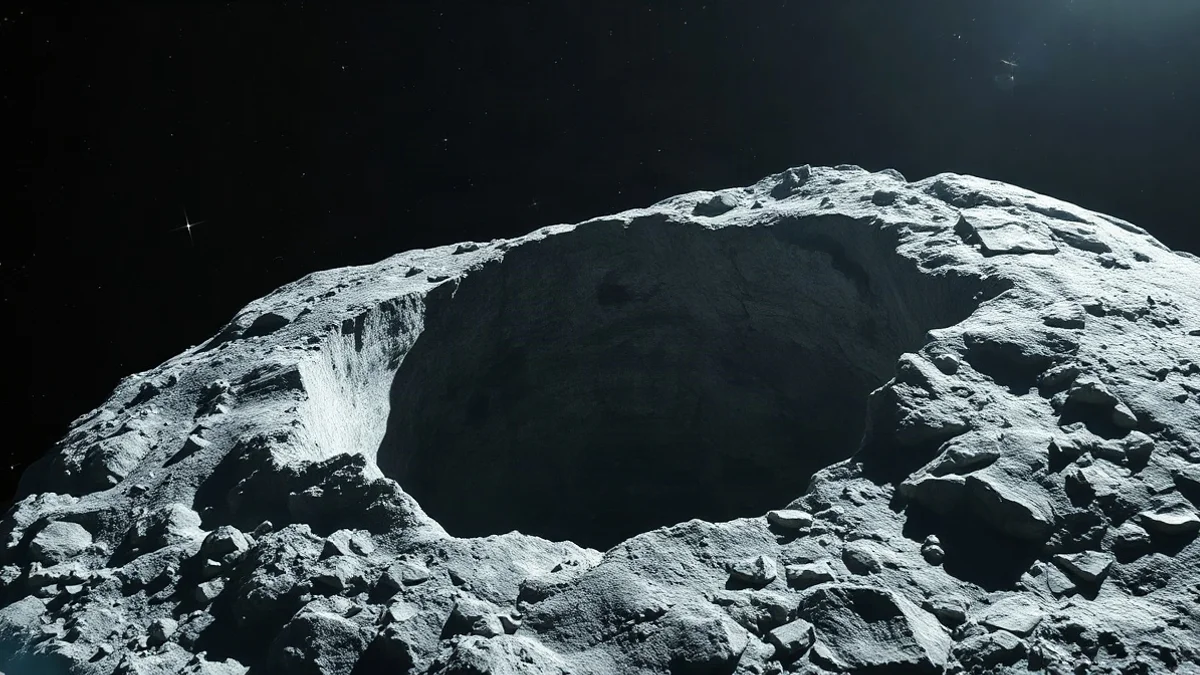
Unlike terrestrial soil, lunar regolith consists of crushed rock fragments and fine dust devoid of organic matter while remaining densely concentrated with heavy metals that stunt plant growth. In 2022, University of Florida researchers successfully cultivated Arabidopsis thaliana in actual lunar samples returned by Apollo missions, though those specimens developed slowly and experienced severe physiological stress. Potatoes were selected for this latest experiment because they deliver high caloric yields per unit area alongside rich nutritional profiles. Because authentic lunar regolith is scarce, a team led by Americ Goyal formulated five distinct simulant soils replicating dark lunar maria and bright highland regions, utilizing regional Oregon soil as a terrestrial control.
The Vermicompost Solution
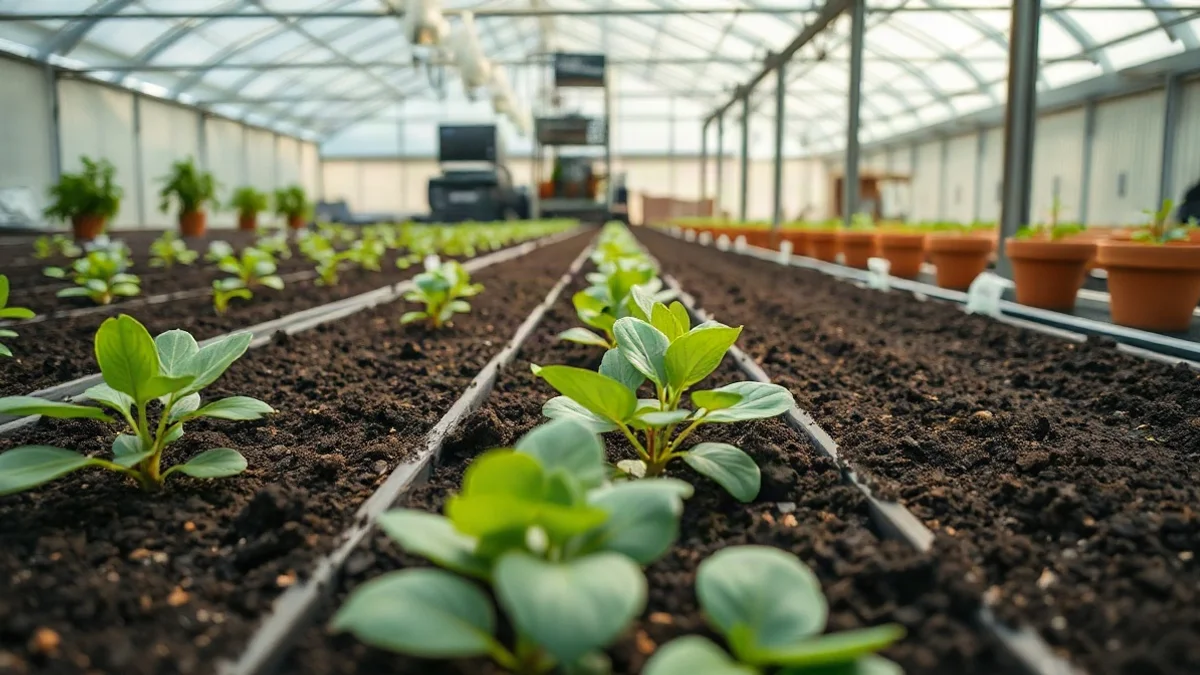
Initiated on August 2, 2024, in the university greenhouse and concluded with the harvest on October 15 after 74 days, the experiment tested various concentrations of nutrient-rich worm castings. Control samples planted in unamended simulant soil ceased growing early and exhibited poor root development, whereas amendments of 5% to 15% compost yielded only partial growth. However, integrating 30% vermicompost into the simulated lunar mare soil enabled potatoes to thrive comparably to terrestrial controls from Oregon, producing crop yields equivalent to those on Earth. Researchers deduce that the organic matter binds with heavy metals, preventing them from damaging the root systems.
Laboratory assays examining glycoalkaloid levels, including the natural toxins solanine and chaconine, confirmed no abnormal spikes compared to standard terrestrial potatoes alongside preserved nutritional integrity. To bypass the logistical burden of launching massive compost shipments from Earth, scientists propose that astronauts transport an initial starter batch and propagate it on the Moon utilizing food scraps and plant waste.
"We discovered that through the addition of compost, it is possible to cultivate potatoes in simulated lunar soil from planting to harvest. This is a crucial step toward creating a stable food production system to support prolonged stays on the Moon."
Following these promising results, the research team is expanding experimentation to evaluate ten different potato varieties to identify the most resilient strain for extraterrestrial cultivation.