Ukraine Faces Severe Interceptor Shortage Amid Rising Russian Missile Output
Ukraine faces a severe air-defense missile shortage within months due to surging Russian production and strict manufacturing limits on Western interceptors like the PAC-3 MSE.
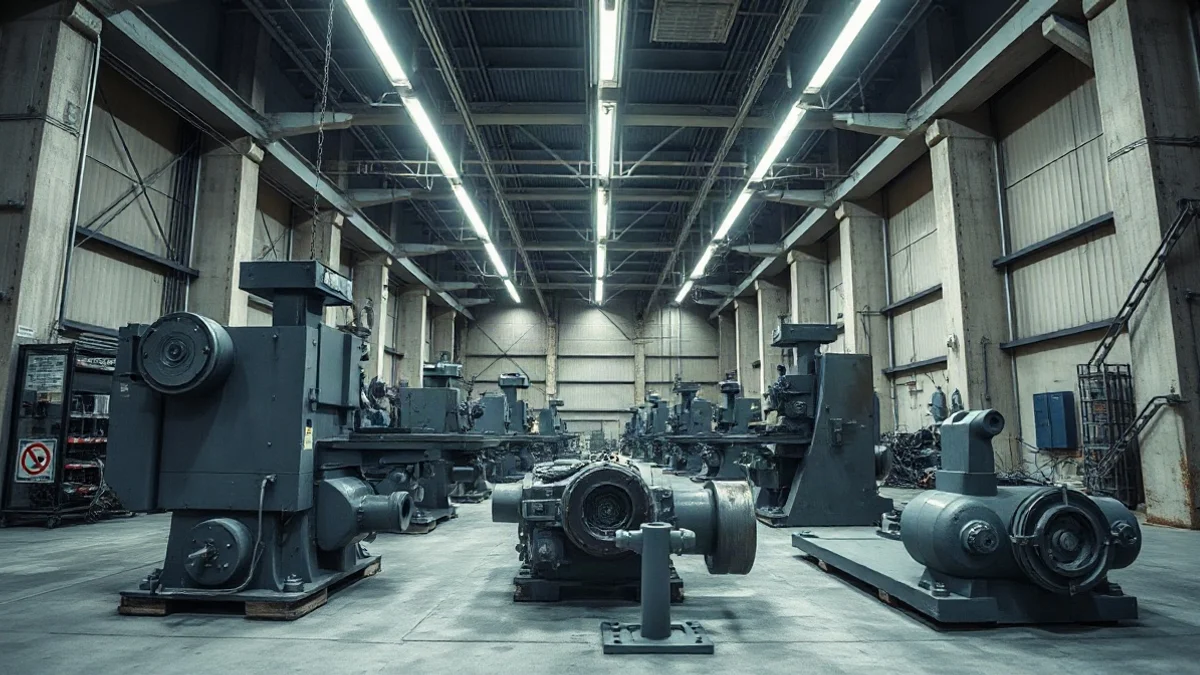
Ukraine faces a severe threat of air-defense depletion in the coming months due to a widening gap between Russian missile production rates and Western capabilities to supply interceptor missiles. According to analysis presented by Ukrainian Professor Igor Mansurov, Russian industry currently manufactures between 200 and 270 cruise and ballistic missiles per month, including up to 110 ballistic missiles, alongside an estimated stockpile of approximately 700 ballistic missiles.
Production Projections and Cost Disparities
Ukrainian intelligence projects that total Russian production could reach between 440 and 720 missiles per month by 2027, although Mansurov's independent assessment suggests a lower figure of 350 to 400 units monthly due to supply chain bottlenecks involving propellants, electronic components, precision machinery, and skilled labor. To illustrate the economic asymmetry of modern air defense, Mansurov highlights a scenario requiring two PAC-3 MSE interceptors—each priced at roughly $4.6 million—to counter a single Iskander-M ballistic missile valued at approximately $3 million. This theoretical calculation indicates an interception cost of about $9.2 million per threat, though experts note that tactical engagements do not uniformly mandate twin launches.
Data from Lockheed Martin underscores the acute global supply limitations facing defense forces. The manufacturer delivered a total of 620 PAC-3 MSE interceptors to global customers in 2025, marking a 20% increase from the previous year. In January 2026, the defense contractor finalized a seven-year framework agreement with the United States Department of Defense designed to scale annual production capacity from approximately 600 to 2,000 interceptors. However, this capacity expansion requires substantial capital investments in manufacturing facilities, specialized supply chains, and workforce training, meaning it cannot provide an immediate solution to current operational demands.
Strategic Alternatives and Enhanced Vulnerability
Mansurov warns that the next 12 to 18 months will constitute a period of heightened vulnerability for Ukrainian air defenses. Given that Russia fired roughly 150 ballistic missiles at Ukraine in October alone, maintaining an interceptor ratio of two missiles per incoming threat over a full year would require approximately 3,600 interceptors, reinforcing the reality that generous funding cannot procure weaponry that has not yet been manufactured.
"Even a generous defense budget cannot purchase weapons that have not yet been produced, making strategic adjustments and domestic manufacturing vital for long-term endurance," the analysis emphasizes.
To mitigate these risks, the assessment concludes that Ukraine must integrate active air defense with preemptive strikes targeting Russian missile manufacturing facilities and launch infrastructure, alongside a significant expansion of domestic weapons production to reduce the crippling burden on limited Western stockpiles.