Ukraine Expands Long-Range War Against Russia, Exposing U.S.-Europe Rift
Ukraine expands its long-range offensive against Russian energy and military sites, striking over 2,400 kilometers and causing friction between Washington and European allies.
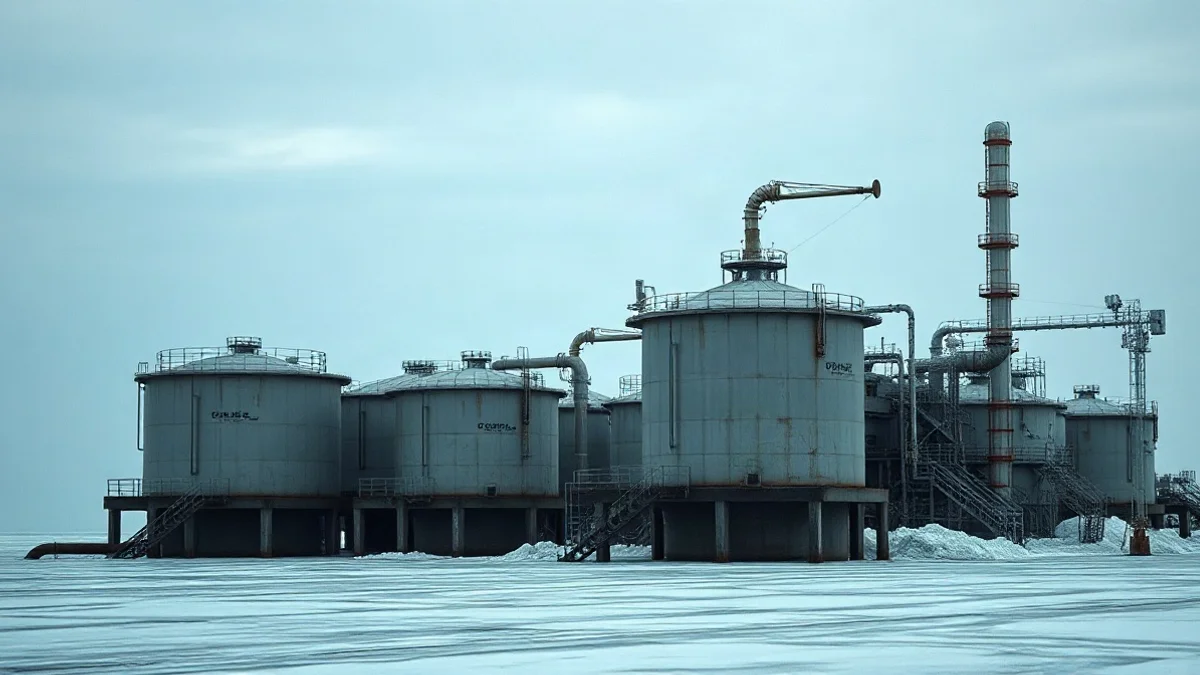
Ukraine is rapidly expanding its long-range military campaign against Russia, stretching across a 2,400-kilometer front over a relentless five-day offensive that has targeted dozens of energy and defense sites. Over the past 50 days, Ukrainian forces have struck 40 critical industrial locations inside Russia, including a fuel terminal in the Arctic White Sea and a missile fuel manufacturing plant in Siberia. A strategic road span along the bridge connecting Russia to the annexed Crimean peninsula also collapsed into the sea following a precision strike, with Ukrainian officials confirming that special operations forces successfully destroyed a bridge arch.
The strategic footprint of the offensive has now expanded far beyond Russian borders, drawing international attention and raising diplomatic tensions. Unmanned aerial vehicles struck the Russian military cargo vessel "Sparta 2" in the Baltic Sea's Gulf of Finland, while a swarm of seven unmanned surface vessels sailed more than 1,600 kilometers from Ukraine to strike the Libyan port of Benghazi. The raid successfully sank the newly commissioned Russian corvette "Mercury" and hit a cargo ship that Ukrainian leadership identified as carrying military hardware. Ukrainian drone deployment has reached unprecedented scales, with the Russian military reporting the interception of 1,336 UAVs on November 16, followed by a record 1,441 interceptions the next day.
Impact on Russian Energy and International Friction
Data from the International Energy Agency indicates that Russian refinery output has plunged to a two-decade low, dropping approximately 30 percent compared to the same period last year and forcing Moscow to restrict fuel exports. Russian President Vladimir Putin acknowledged that the domestic fuel market remains under severe pressure, complaining that Kyiv has ignored warnings from the administration of U.S. President Donald Trump to halt attacks on oil refineries. The sweeping campaign has exposed a sharp rift between Washington and European capitals, as U.S. officials criticize the deep-strike strategy for allegedly failing to advance peace negotiations.
During NATO talks in Brussels, U.S. defense officials rebuked Ukraine for its deep-strike spectacle, drawing swift pushback from European allies. German Defense Minister Boris Pistorius dismissed the American rebuke as foolish, while British counterpart Wes Streeting defended the campaign for buying crucial time and saving lives. Nevertheless, the operation in Libya drew reservations from European leaders, with Italian Prime Minister Giorgia Meloni emphasizing that the conflict must not expand into the Mediterranean Sea. Ukrainian President Volodymyr Zelensky confirmed to Meloni that the operation was executed without prior coordination with European partners, while defending Kyiv's right to target Russian assets globally for self-defense.
Defense Production and Strategic Outlook
Kyiv's escalating operational range is powered by a rapidly expanding domestic defense manufacturing sector, which currently produces heavy cruise missiles capable of carrying a one-ton warhead over 2,900 kilometers, alongside joint production agreements with Germany and the United Kingdom. Ukrainian presidential chief of staff Kyrylo Budanov acknowledged that long-range strikes alone will not win the war, but emphasized that the capability successfully compels Moscow to redeploy vital air defense systems away from active frontlines.