Erdogan Expands Turkey's Regional Influence Through New Alliances and Pacts
While global attention focuses on Iran, Turkish President Recep Tayyip Erdogan is aggressively expanding Ankara's strategic footprint through naval bases, defense pacts, and diplomatic outreach across the Middle East.
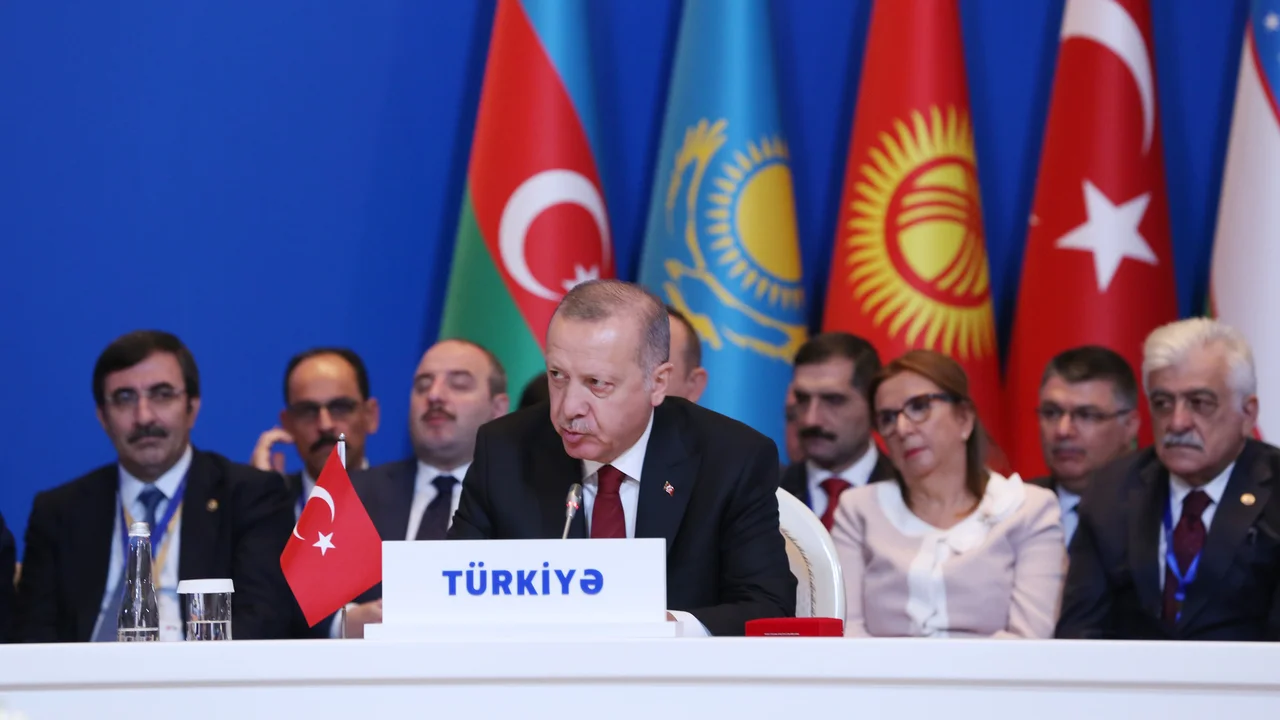
As international efforts focus on the ongoing campaign against Iran, Turkish President Recep Tayyip Erdogan is aggressively expanding Ankara's geopolitical footprint across the Middle East and beyond. In a comprehensive security analysis, various regional developments highlight Turkey's multifaceted strategy, which includes establishing a naval base in Somalia, reconciling with eastern Libya, fostering energy cooperation with Pakistan, signing a defense pact with Qatar, and extending influence into Lebanon.
While Washington attempts to spearhead a new regional, political, and economic order—such as the IMEC trade corridor connecting India to Europe—Turkey and Qatar are reportedly working to preserve existing power centers. Experts note that Ankara is utilizing a vast network of civilian, humanitarian, economic, and military footholds to establish strategic leverage throughout the Middle East, effectively complicating American diplomatic initiatives.
Strategic Realignment in North Africa and the Horn
A notable shift in Ankara's diplomacy involves a rapprochement with General Khalifa Haftar, the strongman of eastern Libya, who previously maintained hostile relations with Turkey. Haftar traveled to Ankara to reset bilateral ties, marking a significant turnaround following years of friction over disputed maritime boundaries in the Mediterranean that previously drew sharp opposition from the European Union.
Simultaneously, Turkey is expanding its military presence in the Horn of Africa. The foundation stone was recently laid for a joint naval base operated by the Somali and Turkish navies. Furthermore, Ankara has deepened its engagement with Pakistan, pursuing joint energy exploration ventures in the Arabian Sea alongside broader defense coordination.
Expanding Influence in the Levant and the Gulf
Beyond North Africa, Ankara is seeking to cement its presence closer to Israel's borders. Following established positions in Syria, Turkish outreach has extended northward into Lebanon. High-level diplomatic visits, including a trip by Bilal Erdogan to northern Lebanese cities like Tripoli, underscore efforts to cultivate local political and civil ties.
In the Gulf, Qatar has solidified its alliance with Ankara by signing a bilateral defense agreement. Seeking reliable security guarantees as regional dynamics shift, Doha has turned to Turkey as a primary strategic partner, echoing broader regional realignments that include prior defense pacts between Saudi Arabia and Pakistan.
Domestic Vulnerabilities and Regional Ambitions
Despite Turkey's extensive diplomatic and military maneuvering, analysts caution against overestimating Ankara's long-term capacity. Turkey's domestic landscape is characterized by severe inflation and intensifying political suppression of the opposition, raising questions about the state's financial sustainability for prolonged foreign entrenchment. Nonetheless, experts stress that these diplomatic initiatives actively shape the post-war Middle East while international attention remains riveted on Tehran.