Saudi Arabia Scales Back Giga-Projects Amid Economic Contraction and Houthi Attacks
Saudi Arabia scales back giga-projects and adjusts its economic strategy amid a GDP contraction and severe energy infrastructure attacks by the Houthis in Yemen.
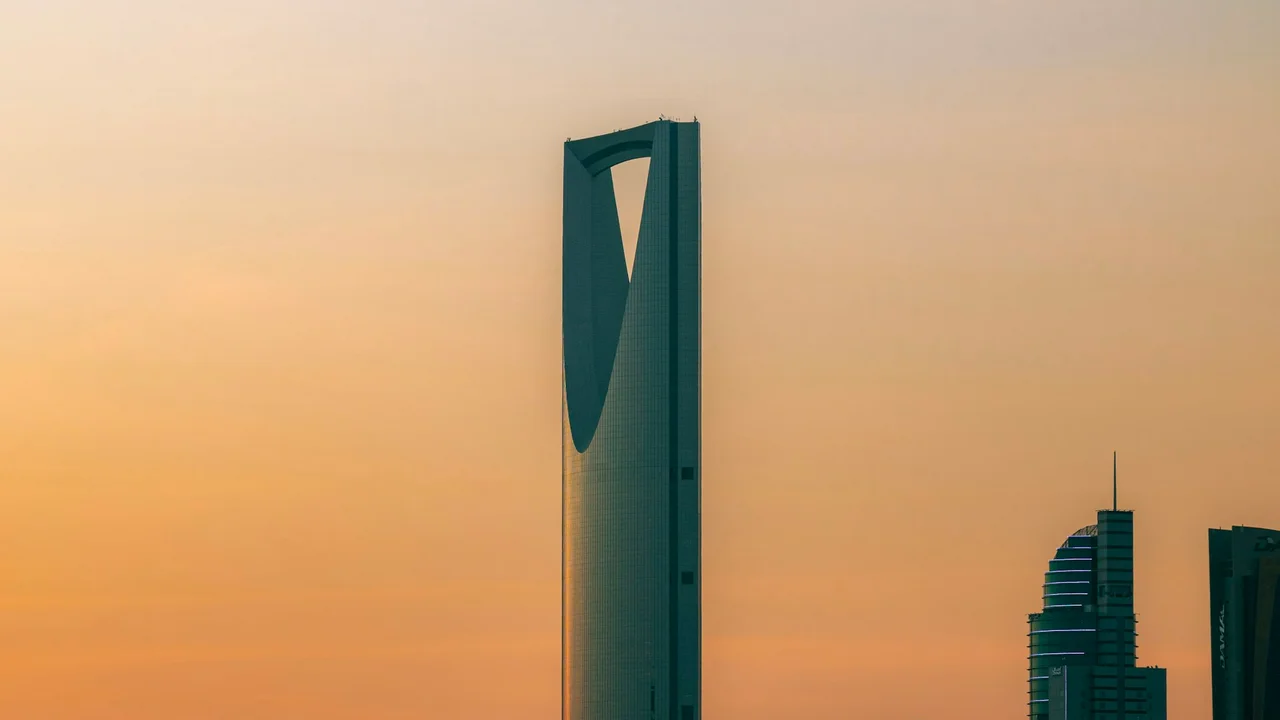
Saudi Arabia is adjusting its economic priorities by scaling back giga-projects and navigating severe financial pressures caused by ongoing Houthi attacks against strategic and civilian infrastructure. In an interview with CNBC, Saudi Minister of Economy and Planning Faisal Al-Ibrahim stated that the kingdom is transitioning to a more calculated investment policy focused on commercial viability and reduced reliance on government spending.
Strategic Shift in Vision 2030
Launched in 2016, the Vision 2030 economic diversification program has driven massive investments across tourism, construction, and technology via the Public Investment Fund (PIF). However, the kingdom is now pivoting from spending at all costs to ensuring optimal financial returns. Key developments include pausing LIV Golf funding, halting skyscraper construction in Riyadh, and delaying the 2029 Asian Winter Games scheduled for Trojena under the NEOM initiative. Additionally, Saudi Arabia announced a minimum effective corporate tax rate of 15 percent on multinational enterprises, effective January 2027, to align local regulation with international standards.
Security Threats and Economic Toll
The kingdom faces mounting security challenges from Iran-backed Houthis in Yemen, whose recent strikes targeted strategic sites including the PIF tower, the capital's airport, and the country's largest oil refinery. These attacks inflicted both human and economic tolls, prompting authorities to postpone the flagship Future Investment Initiative conference to 2027 and reroute major import and export operations from the kingdom's eastern coast to the western region using overland transport networks.
Minister of Economy and Planning Faisal Al-Ibrahim addressed the regional security situation:
"We will not be deterred on the path to achieving long-term sustainable regional stability."
Contraction and Divergent Forecasts
Official government figures show Saudi gross domestic product contracting by 3.8 percent in the third quarter of 2026, with oil sector activity plunging by 20.4 percent while non-oil sectors grew by 1.9 percent. The Ministry of Finance projects an overall 2.1 percent contraction for 2026 followed by a robust 10.9 percent recovery in 2027. Conversely, Oxford Economics forecasts a 3.4 percent contraction this year and an additional 4 percent decline in 2027, citing ongoing security risks to energy infrastructure. Azure Strategy Managing Director Neil Quilliam warned that the attacks challenge the perception of Saudi Arabia as a safe and attractive destination for foreign capital, tourism, and entertainment.