Former Philippines President Rodrigo Duterte Faces ICC Trial for Drug War Crimes
Former Philippines President Rodrigo Duterte goes on trial at the ICC for crimes against humanity over thousands of drug war deaths, marking a historic first for an Asian leader.
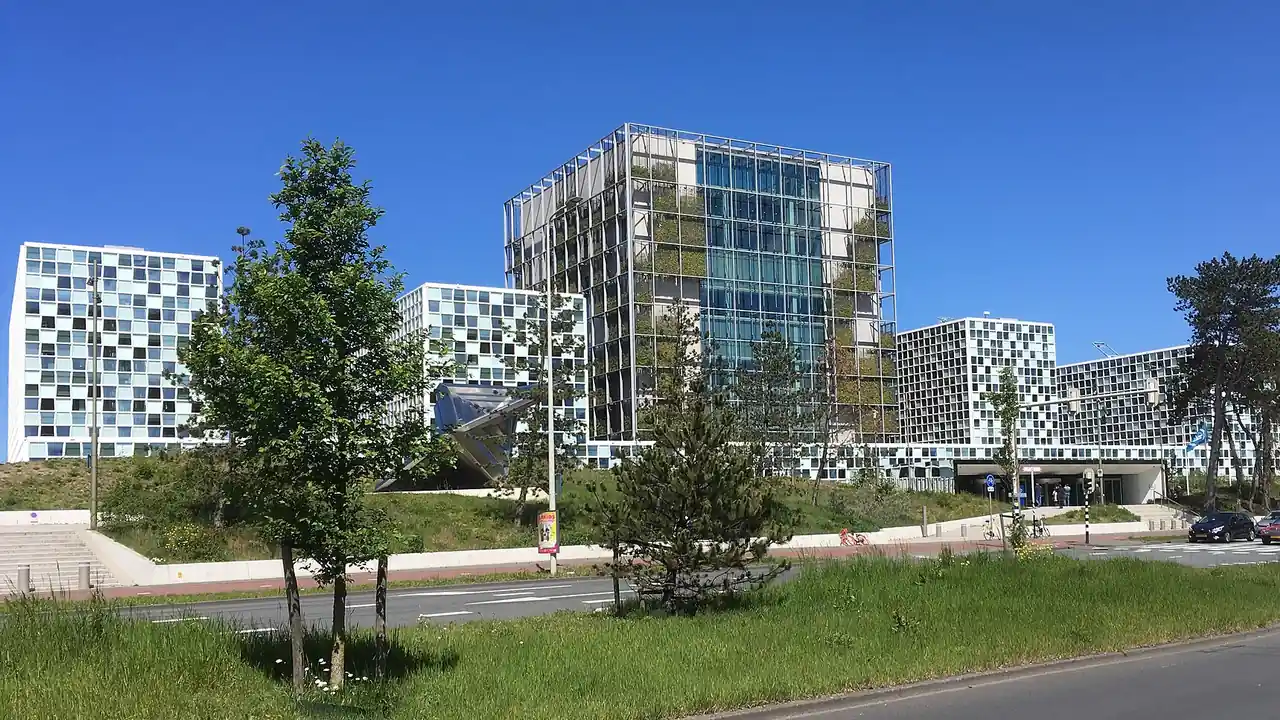
A historic trial is set to begin at the International Criminal Court in The Hague, marking the first time an Asian leader faces the tribunal for crimes against humanity. Former Philippines President Rodrigo Duterte, 81, stands accused over the brutal "war on drugs" campaign launched during his presidency, which resulted in the deaths of thousands of individuals. Detained in Manila last year and flown to the Netherlands on a chartered aircraft, Duterte now awaits proceedings from a detention cell in The Hague. The trial is projected to be extensive, with four hours of daily hearings and approximately 100 witnesses slated to testify for the prosecution.
Duterte assumed the presidency in 2016 on a strict anti-crime platform, having previously cultivated a reputation for violence as a prosecutor and mayor of Davao City, where he openly boasted about killing criminal suspects. Upon taking national office, he encouraged citizens to act as vigilantes and hunt down drug users, famously declaring in speeches that he would gladly slaughter millions of addicts. His aggressive rhetoric earned him monikers such as "The Punisher" and "Dirty Duterte". Official Philippine National Police figures indicate that over 6,000 people were killed in anti-drug operations, though independent organizations estimate the actual death toll to be significantly higher, with most victims being impoverished men from low-income neighborhoods.
Legal Scrutiny and Competency Assessment
During the opening day of the trial, judges will evaluate whether Duterte understands the charges against him and whether he intends to enter a plea, followed by opening statements from both legal teams. Duterte skipped pre-trial hearings in February, issuing a statement in which he described himself as elderly, tired, and fragile, while citing memory loss. Pre-trial judges have already established that substantial evidence links Duterte to crimes against humanity, including murder and attempted murder, as part of a widespread and systematic attack against a civilian population. The proceedings will meticulously examine 49 specific incidents resulting in 76 deaths.
Defense counsel Nicholas Kaufman argued during pre-trial hearings that the former president's incendiary remarks amounted to exaggeration, boasting, and rhetoric, asserting that he should not be judged on coarse language alone. Conversely, the prosecution maintained that concrete actions backed up the extreme statements. Prosecutor Julian Nicholls stated after the hearings that Duterte's promise was to kill thousands, and he carried it out.
Wider Implications and Regional Fallout
Victims' associations and reconciliation groups welcomed the commencement of the trial, viewing it as a vital step toward justice for grieving families. Raul Pangalangan, head of the Philippine Truth Commission and a former ICC judge until 2021, emphasized the profound significance of seeing a once-untouchable leader appear as a defendant.
"This trial tells the world that no leader, however powerful, stands above the law."
However, Pangalangan noted that proceedings in The Hague represent only a fraction of the broader picture, as thousands of families in the Philippines continue seeking accountability domestically. The trial unfolds during a sensitive period for international justice, as the ICC faces unprecedented geopolitical pressure, ranging from past scrutiny over African cases to friction involving warrants and foreign sanctions from nations like the USA. Meanwhile, other key figures from Duterte's administration remain targets, including former police chief Ronald dela Rosa, who recently evaded authorities following a dramatic standoff inside the Philippine Senate building.