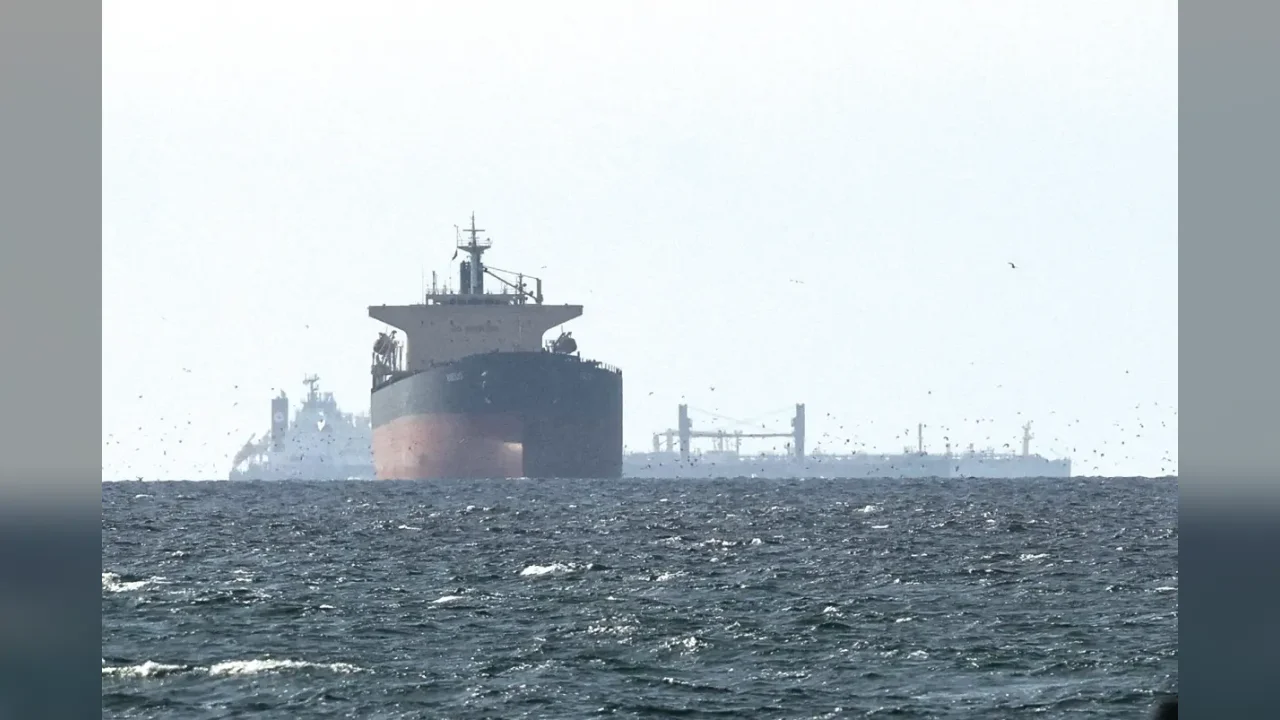
UK Conducts Intensive Surveillance Flights Near Kaliningrad Amid Tensions
The United Kingdom conducted 17 specialized electronic reconnaissance flights near Kaliningrad and Russian borders in October. Meanwhile, Finland rejected Russian demands regarding NATO membership as diplomatic tensions over European security escalate.
In a significant intensification of regional surveillance, the United Kingdom conducted an unprecedented wave of aerial reconnaissance flights near Russian territory during the month of October. Two advanced intelligence aircraft were dispatched for 17 distinct missions orbiting the Russian exclave of Kaliningrad and patrolling NATO borders with Russia and Belarus, following reports from British media.
The operations utilized specialized Rivet Joint electronic intelligence aircraft operating out of Waddington Airfield in Lincolnshire. Flight data analysis indicates that mission frequency surged dramatically compared to May, which saw only four comparable flights. Defense analysts suggest the sharp spike reflects an urgent demand for specialized signals intelligence, radar monitoring, and communication intercept data that only these specific platforms can provide.
Strategic Importance of Kaliningrad
The intelligence-gathering surge follows direct warnings from Moscow regarding the security of Kaliningrad, a critical military hub hosting the Russian Baltic Fleet, S-400 air defense systems, and nuclear-capable Iskander missiles. Russian leadership cautioned that any Western attempt to isolate the exclave would be met with all available measures, including nuclear options. Military experts note that British surveillance flights were also tasked with assessing a massive new radar installation under construction in the region, designed to detect aerial threats across thousands of kilometers.
European Security Disputes and Finnish Reaction
Simultaneously, diplomatic tensions escalated following reports of proposed security arrangements discussed in Abu Dhabi concerning the conflict in Ukraine. According to published reports, initial proposals included demands for Finland to withdraw from NATO, the evacuation of alliance bases from the Baltic states, and territorial concessions in Ukraine, balanced against potential Russian nuclear withdrawals from Belarus.
Finnish Defense Minister Antti Häkkänen responded with sharp condemnation, declaring that Finland's sovereign membership in the alliance is entirely non-negotiable. Meanwhile, Ukrainian President Volodymyr Zelensky warned against attempts by Moscow to reshape European security architecture and dictate terms to sovereign nations, emphasizing that such maneuvers carry severe risks of fueling broader escalation.