Russia Considers Lifting Ban on Zelenskyy Assassination After Drone Strikes
Russia's Security Council has reportedly decided to lift its informal ban on assassinating Ukrainian President Volodymyr Zelenskyy following relentless Ukrainian drone strikes on Baltic oil hubs.
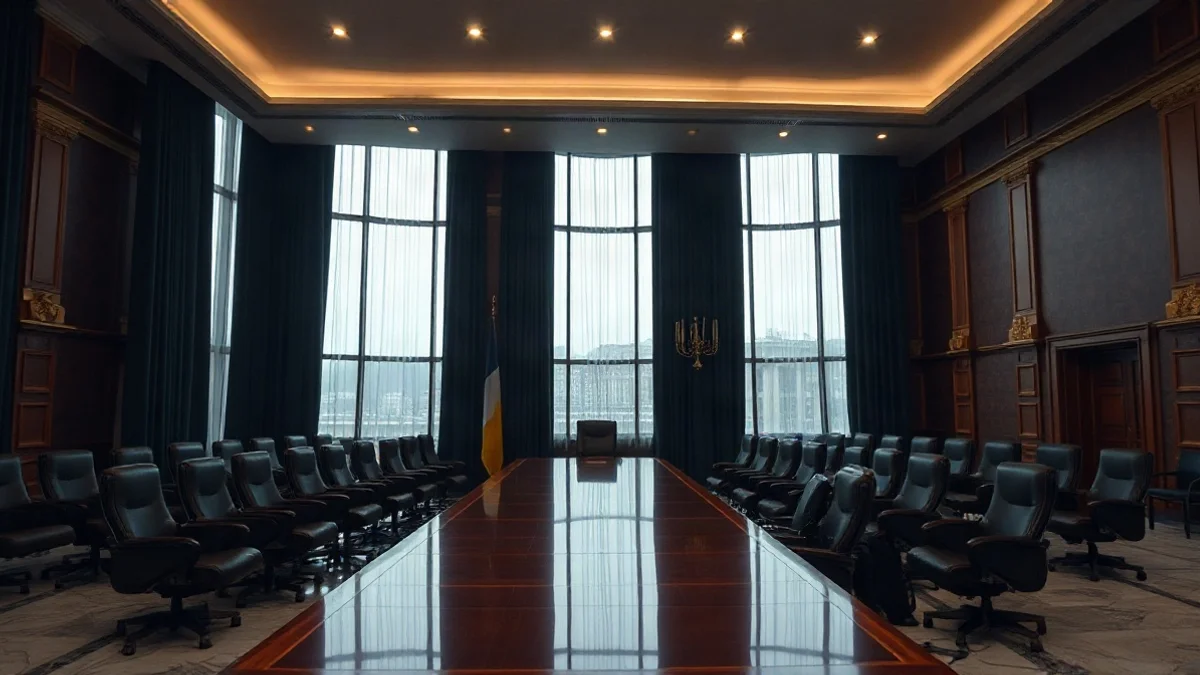
Russia's Security Council has reportedly decided in a closed-door meeting to lift the informal ban on assassinating Ukrainian President Volodymyr Zelenskyy and senior military commanders. The dramatic policy shift follows a series of intensive Ukrainian drone strikes targeting critical Russian oil export hubs in the Baltic Sea.
The primary catalyst for the decision was the tenth recent strike on the Ust-Luga port near St. Petersburg, a crucial facility enabling Moscow to bypass international sanctions and finance its invasion through Asian oil exports. Senior defense officials in Moscow warned during the session that the state is running out of funds to counter Kyiv's relentless UAV swarms, noting that Leningrad Oblast alone has spent 24 billion rubles—nearly $300 million—on air defense systems.
Strategic Shift and Potential Tactics
Government sources indicated that security officials concluded striking Ukrainian infrastructure no longer deters attacks, as leaders operate safely under unwritten understandings with the West. Moscow is reportedly considering heavy hypersonic weapons to target bunkers and convoys carrying top Ukrainian commanders.
"There is no point in fighting the endless swarm of UAVs – the decision-making chain itself must be destroyed," a senior official was quoted as saying.
The Kremlin previously attempted to assassinate Zelenskyy during the early stages of the war in 2022, halting those operations the following year after assurances given through intermediaries. The recent decisive security session also involved Russian negotiators who recently returned from peace talks in Abu Dhabi, alongside representatives from the foreign and defense ministries.