UN Warns Hormuz Blockade Risks Global Food Crisis and Mass Poverty
A senior UN official warned that the blockade of the Strait of Hormuz threatens a severe global food crisis, urging Iran and the US to strike an immediate deal to restore fertilizer shipments.
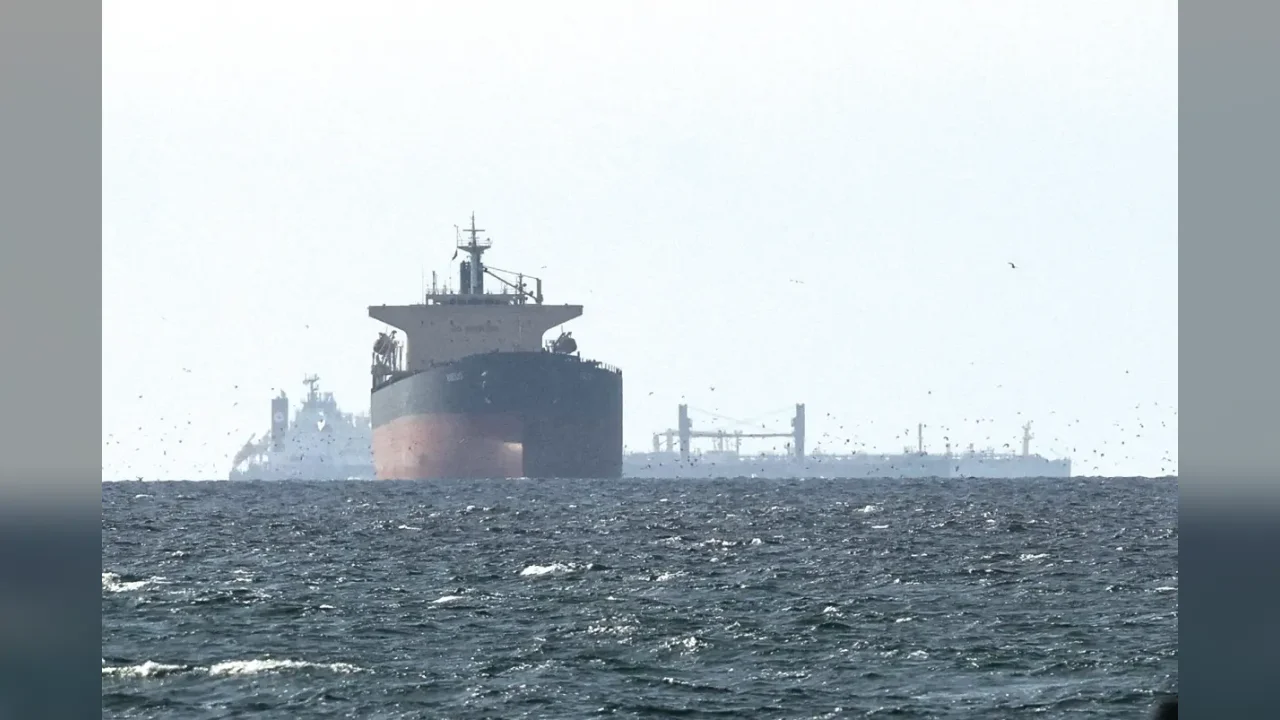
A senior United Nations official warned that ongoing disruptions and blockades in the Strait of Hormuz could trigger a severe global food crisis, pushing tens of millions of people into poverty and hunger. Jorge Moreira da Silva, head of the United Nations Office for Project Services, urged Iran and the United States to reach an immediate, targeted agreement allowing fertilizer-carrying vessels to pass through the strait without waiting for a comprehensive end to the hostilities.
Speaking at a United Nations climate conference in Antalya, Turkey, Moreira da Silva emphasized that while negotiations for a broader political settlement should continue, a localized and time-limited exception is urgently required to avert agricultural collapse. He noted that the operational requirement is minimal, stating that the initiative essentially requires securing safe passage for five fertilizer vessels per day.
Strategic Importance of the Strait of Hormuz
While globally recognized for its critical role in the oil and natural gas trade, the Strait of Hormuz is also a vital maritime artery for agricultural fertilizers. Gulf nations, led by Qatar, Saudi Arabia, and Iran, are major producers of nitrogen-based fertilizers such as urea and ammonia, leveraging their vast natural gas reserves as a primary feedstock for production. Before the conflict, approximately 30 percent of the world's fertilizer supply transited through the strait.
According to United Nations data, fertilizer prices have tripled since the blockade began, placing essential agricultural inputs out of reach for farmers in developing nations. Officials highlighted severe impacts in countries including Sudan, Nepal, Mozambique, Kenya, Somalia, Bangladesh, and Sri Lanka, where soaring costs and missed planting seasons threaten regional food security.
"If we continue to miss the planting seasons in various regions around the world, 45 million people could face acute food insecurity, and another 30 million people could slide into poverty," Moreira da Silva warned.
The United Nations task force leading the fertilizer transit initiative has already prepared an operational mechanism capable of resuming shipments within seven to ten days, provided that a formal agreement is reached between Tehran and Washington.