Turkey Faces Egyptian Backlash Over Eastern Mediterranean Maritime Agreement
Turkey and eastern Libya's maritime boundary agreement has drawn sharp warnings from Egypt over regional energy security, while global automotive, tech, and pharma sectors face sweeping shifts.
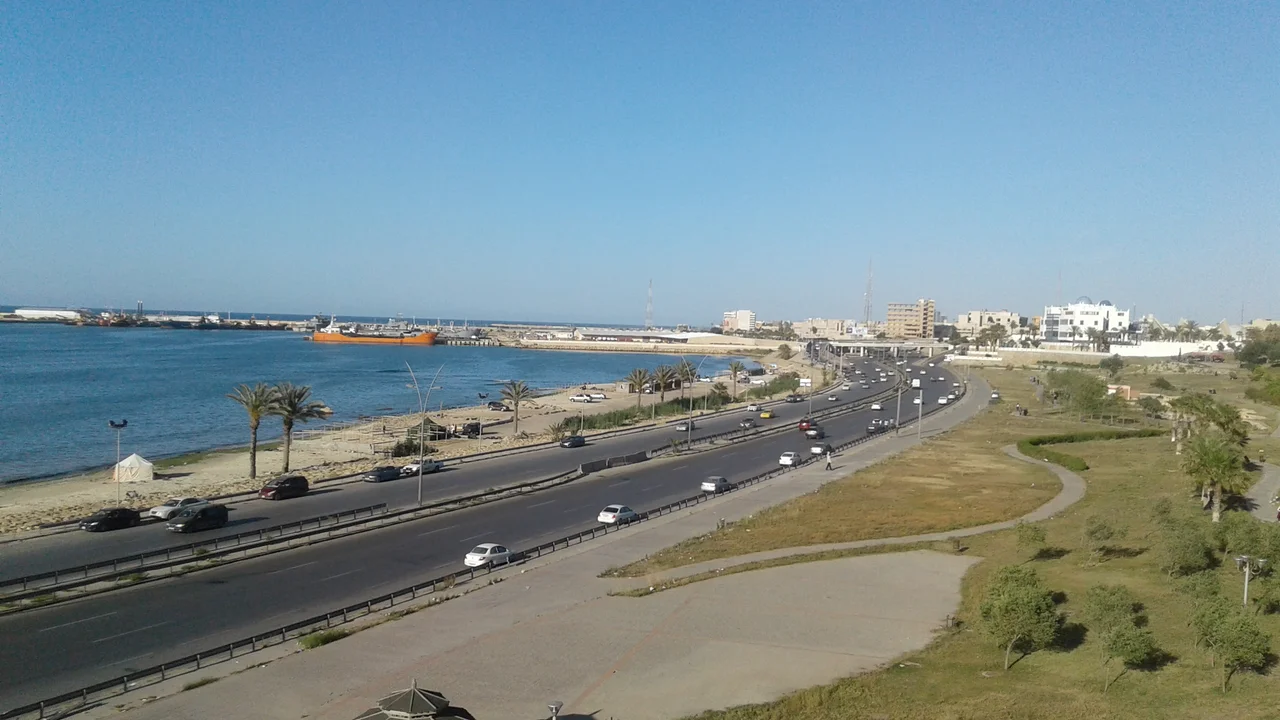
Geopolitical tensions in the Eastern Mediterranean have escalated significantly following a controversial joint declaration by Turkey and the parliament in eastern Libya. The agreement establishes a redefined maritime boundary and a de facto closure of the continental shelf and exclusive economic zone between them, drawing sharp condemnation from Cairo. Egyptian authorities view the unilateral move as a flagrant violation of the United Nations Convention on the Law of the Sea and international law, designed to block natural gas exploration projects and disrupt energy and submarine cable infrastructure.
Cairo Reacts to Strategic Maritime Threats
Senior officials within the Egyptian Ministry of Foreign Affairs and the defense establishment warned that the Turkish-Libyan pact completely disregards Egypt's sovereign rights, as well as those of Greece and Cyprus. According to Cairo, the arrangement threatens to paralyze economic and infrastructure activity in the heart of the Mediterranean and challenges Egypt's status as a regional energy hub. This development places the Ankara-Tripoli-Tobruk axis on a renewed collision course with Egypt and its regional partners.
China Accelerates Commercial Fleet Electrification
Meanwhile, in the global energy market, China is rapidly accelerating the electrification of its heavy transport fleet, driving a structural shift. According to data published by Reuters and the CREA research institute, sales of electric trucks surged by 45% in the first ten months of 2026, reaching approximately 600,000 units. Electric trucks accounted for over 50% of all new heavy truck sales in China in recent months, beating the government's original 2030 target by four years.
Beijing is bypassing the intermediate step of liquefied natural gas trucks, transitioning directly to fast-charging infrastructure and five-minute battery swapping led by Chinese battery giant CATL. This shift delivers immediate cost savings to fleets, reducing operational costs by roughly 0.6 yuan per kilometer compared to diesel, and reducing energy vulnerability. Amid maritime disruptions in the Strait of Hormuz stemming from the conflict with Iran, this electric transition saves China approximately 230,000 barrels of diesel per day in 2026 alone, contributing to a 15.1% drop in crude oil imports.
Breakthrough in Breast Cancer Treatment
In the pharmaceutical sector, Swiss pharma giant Roche secured a historic approval from the US Food and Drug Administration for Wilserdly, a breakthrough daily pill for patients with advanced or metastatic breast cancer. The medication targets patients with ER-positive and HER2-negative tumors who have developed ESR1 mutations and resistance to existing hormonal therapies, offering a convenient oral alternative to painful intramuscular injections.
This approval marks a turning point in oncology, as oral selective estrogen receptor degraders represent a major growth engine with multi-billion-dollar annual sales potential. The milestone strengthens Roche's competitive stance against rivals such as AstraZeneca, which secured approval for its competing drug camizestrant, and Eli Lilly, cementing its position in targeted breast cancer care.
Crisis Grips the German Automotive Industry
In Europe, Volkswagen is grappling with steep operating losses, declining sales in China, and US import tariffs, prompting crucial wage talks with the powerful trade union in Emden. Management is demanding a two-year wage freeze, the elimination of bonuses, and an extended workweek as part of a restructuring plan to cut 100,000 jobs globally and potentially close four plants in Germany.
To mitigate production cuts, the automaker attempted to save the Osnabrück plant by converting its assembly lines to manufacture components for the Iron Dome defense system for Israel's Rafael Advanced Defense Systems. However, the Qatar Investment Authority, which holds 17% of the voting rights, vetoed the arrangement. The impasse was ultimately bypassed through the intervention of the state government of Lower Saxony, which stepped in to secure the facility and establish a direct joint venture with Rafael to safeguard thousands of jobs.
Simultaneously, Mercedes-Benz Group announced an immediate freeze on new investments at its German plants and initiated site closure reviews, while warning strikes hit Audi and BMW facilities ahead of broader labor disputes expected in January.