Canada Supreme Court Upholds Quebec Secularism Law Banning Religious Attire
Canada's Supreme Court ruled that Quebec's secularism law banning public servants from wearing religious symbols is largely constitutional, dealing a blow to religious groups.
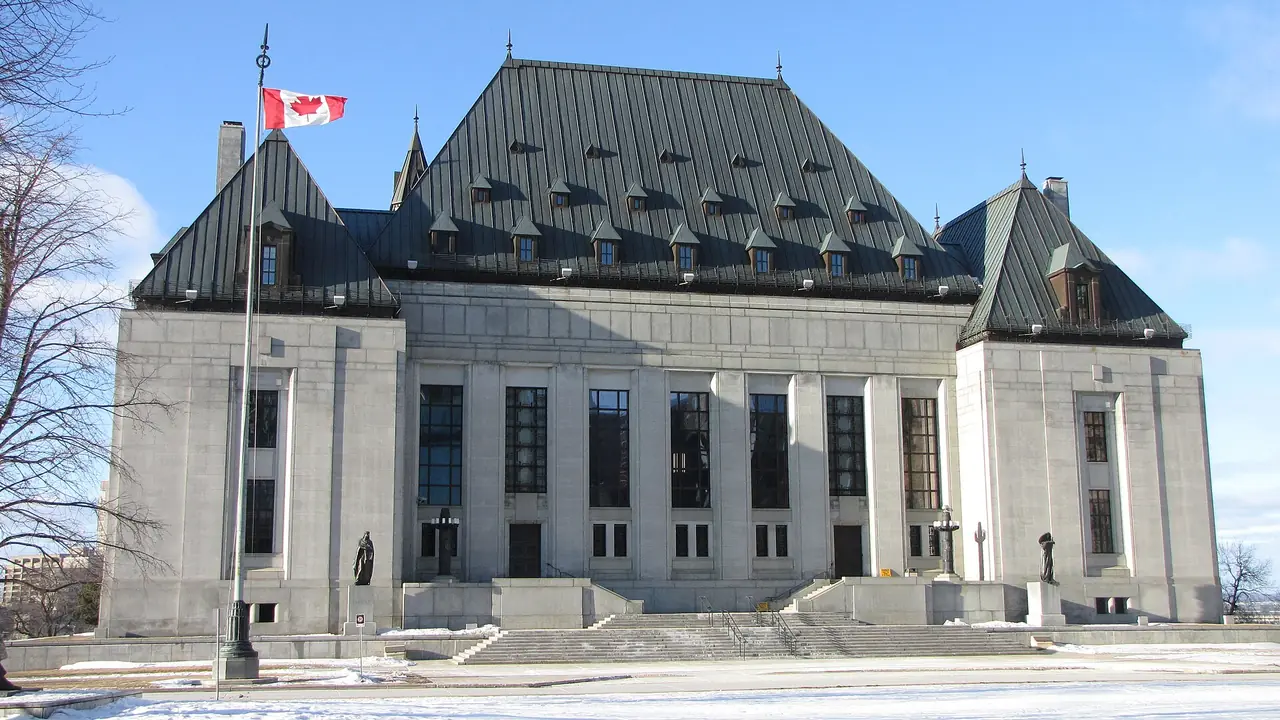
Canada's Supreme Court has ruled that Quebec's secularism law, known as Bill 21, will largely remain in force, upholding a ban on public sector employees wearing visible religious symbols such as kippahs, hijabs, or crosses at work. The legislation, initially enacted in 2019, applies to public servants in specific roles including teaching and education positions. The decision deals a significant blow to religious communities and human rights groups across the country.
Legal Context and the Notwithstanding Clause
The controversial law was passed using the notwithstanding clause, a unique constitutional mechanism allowing provincial legislatures to override certain protected rights within the Canadian Charter of Rights and Freedoms, including freedom of religion. Since its inception, the legislation faced multiple legal challenges from Muslim, Sikh, and Catholic educators who argued it violated their fundamental rights. While a majority of the Supreme Court bench upheld the validity of the law, the justices carved out a narrow exception regarding elected officials in Quebec, ruling that a ban on them wearing face coverings for religious reasons infringes upon democratic rights. The court also affirmed that even when the notwithstanding clause is invoked, courts retain the authority to declare legislation inconsistent with the charter, though the justices refrained from doing so in this case.
Three dissenting judges expressed strong reservations, arguing that the notwithstanding clause cannot be used to validate laws that fail to align with Canada's character as a free and democratic society. They emphasized that the legislation infringes upon freedom of religion, freedom of expression, and the right to equality. Religious organizations and civil liberties groups reacted to the ruling with deep disappointment, noting that it forces religious employees to choose between maintaining their faith and pursuing certain public sector careers.
Stakeholder Reactions and Government Stance
Stephen Brown, chief executive officer of the National Council of Canadian Muslims, criticized the decision and condemned the legislation:
"Whole categories of people are now excluded from entire fields of employment, not because of what they did, but because of who they are."
Montreal English School Board Chair Joe Ortona, whose organization served as a primary petitioner against the law, also expressed frustration while pointing to minor judicial statements offering solace. Meanwhile, the Quebec government defended the measure as essential for preserving state secularism, which officials view as a core component of the province's identity. Earlier this year, the province expanded the legislation to apply secularism rules to subsidized daycares and higher education institutions while imposing restrictions and fines on public prayer.
Federal leaders weighed in on the ruling as its implications began to reverberate nationwide. Prime Minister Mark Carney stated that his administration would carefully study the implications of the decision, stressing that all legislative bodies in the country must respect the rights and freedoms of all Canadians, including minority groups. Conversely, Bloc Quebecois federal party leader Yves-Francois Blanchet welcomed the ruling, asserting that it protects the province's right to uphold its values and unique societal character.