The IDF can decide the battle on the Ali-Taher ridge. This is why it is not rushing
Dozens of Hezbollah operatives and IRGC officers are trapped in a strategic underground complex, with the IDF controlling most access routes. However, their elimination could force Tehran to respond and reignite the region. Israel currently prefers a strategy of siege and patience, while secret negotiations for a solution take place behind the scenes. A battle that could influence not only the end of the war but also the chances of disarming Hezbollah.

The way the battle above — and especially below — ground on the Ali-Taher ridge ends will have a decisive impact on the results of the Third Lebanon War and, primarily, on the chances of disarming Hezbollah. This is the reason why all the parties involved in the fighting, and especially in the intensive diplomatic contacts taking place under the radar to end this confrontation, are keeping as low a media profile as possible.
Hezbollah and the Iranians fear that media reports will sabotage their chances of reaching an arrangement through mediators that will allow their people to escape safely and with minimal humiliation from the underground trap. What makes the confrontation so explosive is the fact that in addition to several dozen Hezbollah fighters and senior commanders, there are also several dozen Iranian "advisors" staying under the rocks of the Ali-Taher ridge, most of them officers in the Islamic Revolutionary Guard Corps, who arrived in the last year at the underground headquarters of Hezbollah's combat sector north of the Litani River.
The importance of the ridge
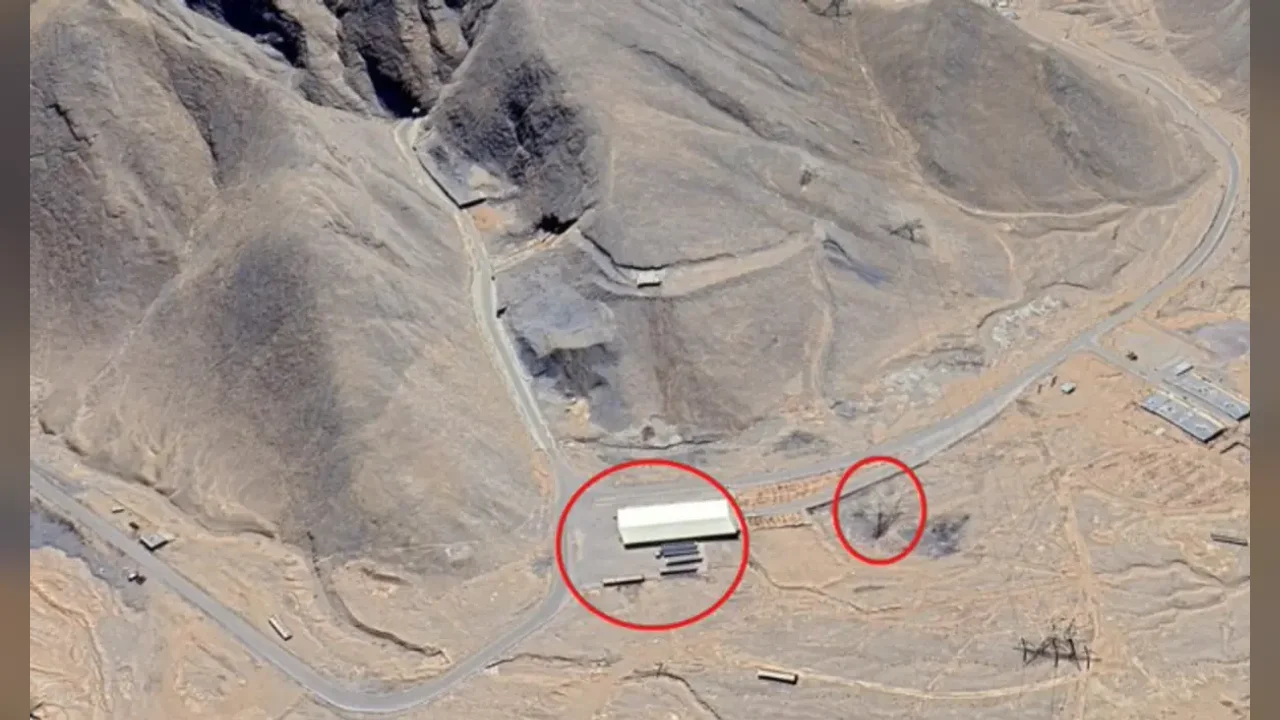
What Hezbollah calls the "Badr operational sector" stretches between the Litani in the south and the Zahrani River in the north. In the center of this sector are the Nabatieh plateau and the city of Nabatieh. The Ali-Taher ridge rises to a height of 600 meters directly to their west. Hezbollah chose to locate the Badr sector headquarters and its heavy fire assets on this ridge because it controls observation and fire over all traffic axes allowing access to the strategic Nabatieh plateau, and is close enough to the border with Israel to manage fire terror against the Galilee home front.
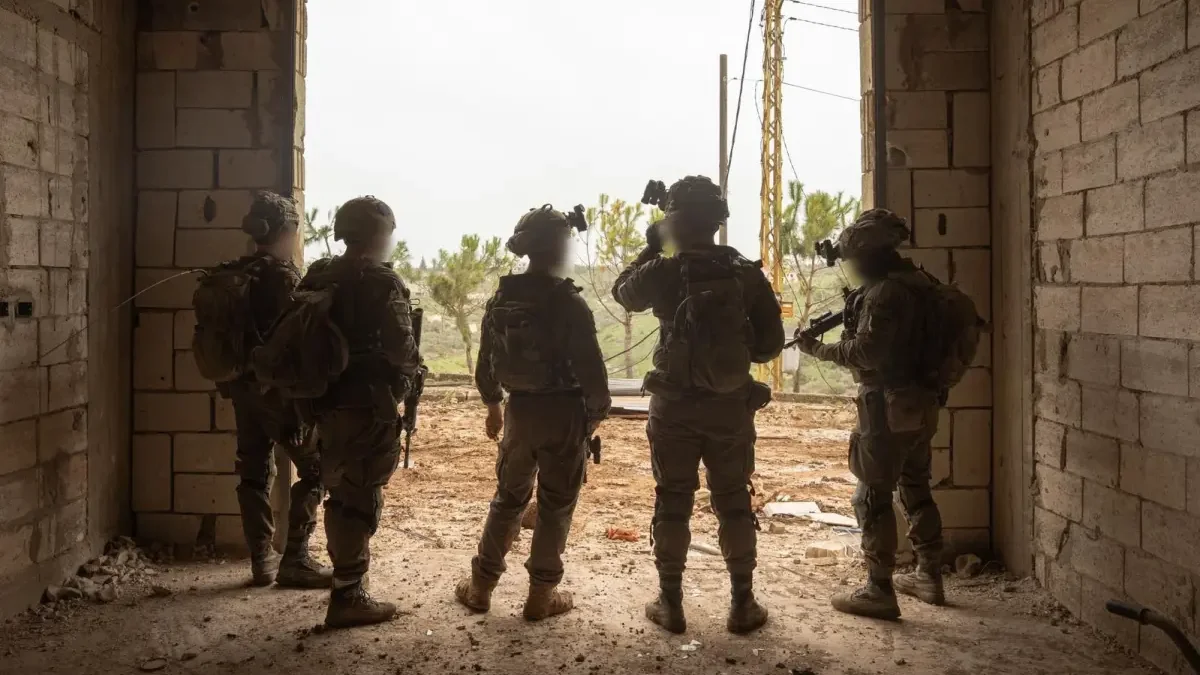
Recognizing the strategic importance of the ridge, the IDF sent units from the 36th Division to take over the outskirts of Nabatieh and the Ali-Taher ridge. The rapid move, based on detailed intelligence about the underground headquarters complex, caught Hezbollah unprepared. Soldiers from the Egoz and Yahalom units surrounded the openings of several shafts. Since then, there have been many attempts by Hezbollah fighters and IRGC personnel to break out of the complex or transfer supplies into it. In the battles that developed, five IDF soldiers and officers were killed and 21 were wounded. More than 20 Hezbollah members were killed.
The terrorists and Iranian "advisors" besieged at the site
The exact number of those besieged underground on the Ali-Taher ridge is unknown. Estimates speak of 20-40 Hezbollah members trapped there, along with several dozen IRGC officers. The presence of the Iranians and American pressure not to cause a regional escalation are what probably dictate to the IDF forces besieging the ridge a cautious and slow pattern of fighting. If the IDF had taken aggressive methods to clear the tunnels, Lebanese rescue services would have pulled dozens of dead and wounded Hezbollah and Iranian personnel out. Such sights would have forced the senior regime officials in Tehran to implement the explicit threats they have been making against the USA and Israel, which could lead to an escalation in the Persian Gulf and hits on American bases.
The IDF was in a similar situation — and patience paid off
Israel is not in a hurry, and the IDF has no interest in conducting prolonged battles that could be heavy on casualties in the underground maze. The IDF was already in a similar situation when it besieged a large tunnel complex in Rafah. In that battle, patience paid off: most of the Hamas members trapped in the tunnels were killed, and a few surrendered. Senior officers say they would not object if the incident on the Ali-Taher ridge also ended in a similar way.
The arena of secret negotiations
The main arena of negotiations is the direct talks between Lebanon and Israel with American mediation on a comprehensive arrangement for the Lebanese-Israeli confrontation. The Lebanese propose that Hezbollah and Israel withdraw and the Lebanese army take over the Ali-Taher ridge and ensure it is demilitarized. Hezbollah, it is to be assumed, will not agree to hand over the weapons and will demand that the withdrawal of the IDF and its men be parallel. At the moment, the negotiations are at a dead end. The IDF has good observation and fire control over the access routes and most of the shafts leading to the huge underground complex.