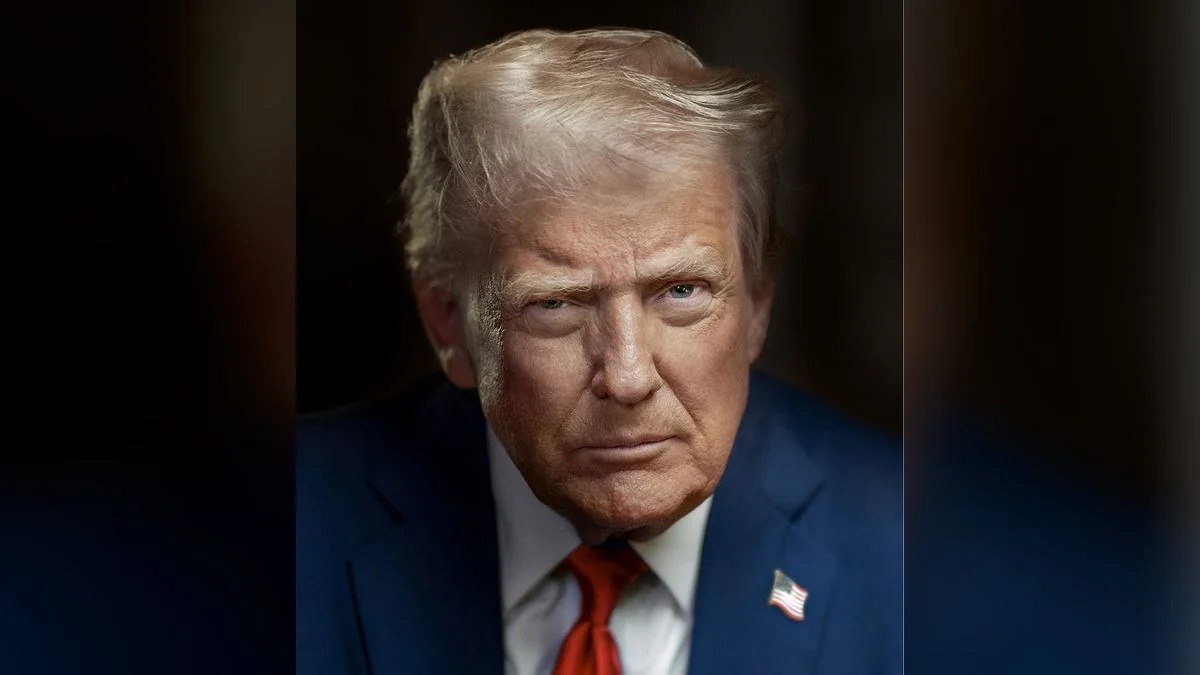
Trump imposes tariffs on polysilicon, a critical material for electronics
US President Donald Trump has signed an executive order imposing a 15% tariff on imported polysilicon, a vital material for semiconductors and solar panels. The order, which also sets minimum import prices, aims to protect American manufacturers and reduce reliance on Chinese supply chains.
US President Donald Trump signed an executive order on Thursday imposing a 15% tariff on imported products made from polysilicon, a vital material used in the production of semiconductors and solar panels. The order also sets minimum import prices for polysilicon and related products, following a national security investigation into the overseas production of the material.
The move is intended to protect American manufacturers facing increasing competition from the Chinese chip industry. This sector is a major source of friction between the world's two largest economies, and the new order marks an escalation in Washington's efforts to limit China's role in the critical technology supply chain.
The Chinese Embassy in Washington stated that the move "seriously disrupts" trade between the two countries and announced that Beijing would act to protect its companies. The embassy added that Washington is "abusing its political power to harm Chinese businesses," emphasizing that protectionism will not make the US more competitive.
Trump noted in the order that he had accepted the recommendations of Secretary of Commerce Howard Lutnick to set minimum import prices and a 15% tariff. The measures are expected to take effect in December, alongside new incentives to increase domestic production of the material.
"For decades, the US has allowed foreign companies to weaken US manufacturers in the polysilicon sector," said Trump.
He emphasized that the material is critical for military equipment and electronics, but imports have led to a decline in the US share of global production from 50% in 2005 to less than 2% in 2024.
China holds a near-total monopoly on polysilicon production, and the order is expected to benefit American companies such as Hemlock Semiconductor and Wacker Chemie, which are the primary local producers. Computer chip production remains at the center of the race between the US and China in the development of artificial intelligence.