US, Russian and Chinese Leaders Set for Trilateral Summit in Shenzhen
US, Russian, and Chinese leaders are set to meet at the APEC summit in Shenzhen. While Moscow seeks validation as a superpower and a settlement on Ukraine, Washington is prioritizing the conflict involving Iran and global nuclear arms control.
Leaders of the United States, Russia, and China are scheduled to meet in Shenzhen, China, on the sidelines of the Asia-Pacific Economic Cooperation (APEC) summit for a trilateral meeting. While Moscow views the gathering as validation of its status as a global superpower on par with Washington and Beijing, foreign policy analysts note that Russia's growing economic dependence on China effectively casts Vladimir Putin as the junior partner in the trio.
Kremlin Demands and Regional Anxieties
Russian officials have pushed for the summit for months, hoping to broker an end to the war in Ukraine on terms favorable to Moscow. However, reports indicate Beijing resisted adding the conflict to the official agenda, and the White House stated that President Donald Trump does not intend to prioritize the issue. The prospect of a deal brokered between major powers over the heads of regional states has sparked deep anxiety from Kyiv to Tokyo and Taipei. Ukrainian President Volodymyr Zelenskyy explicitly warned against any arrangement resembling a modern Yalta Conference that redraws spheres of influence.
According to diplomatic documents circulating from recent talks in Abu Dhabi, Moscow is reiterating hardline demands first presented to the West in December 2021. Russia is demanding that NATO withdraw its forces and military infrastructure back to 1997 lines prior to the alliance's eastern expansion, effectively barring allied deployments across sixteen member states including the Baltic nations, Poland, and the Nordic additions. Furthermore, Moscow demands a complete halt to Western military supplies to Ukraine and insists that British and French nuclear deterrents be restricted from protecting other European nations.
Washington's Agenda: Iran and Nuclear Arms
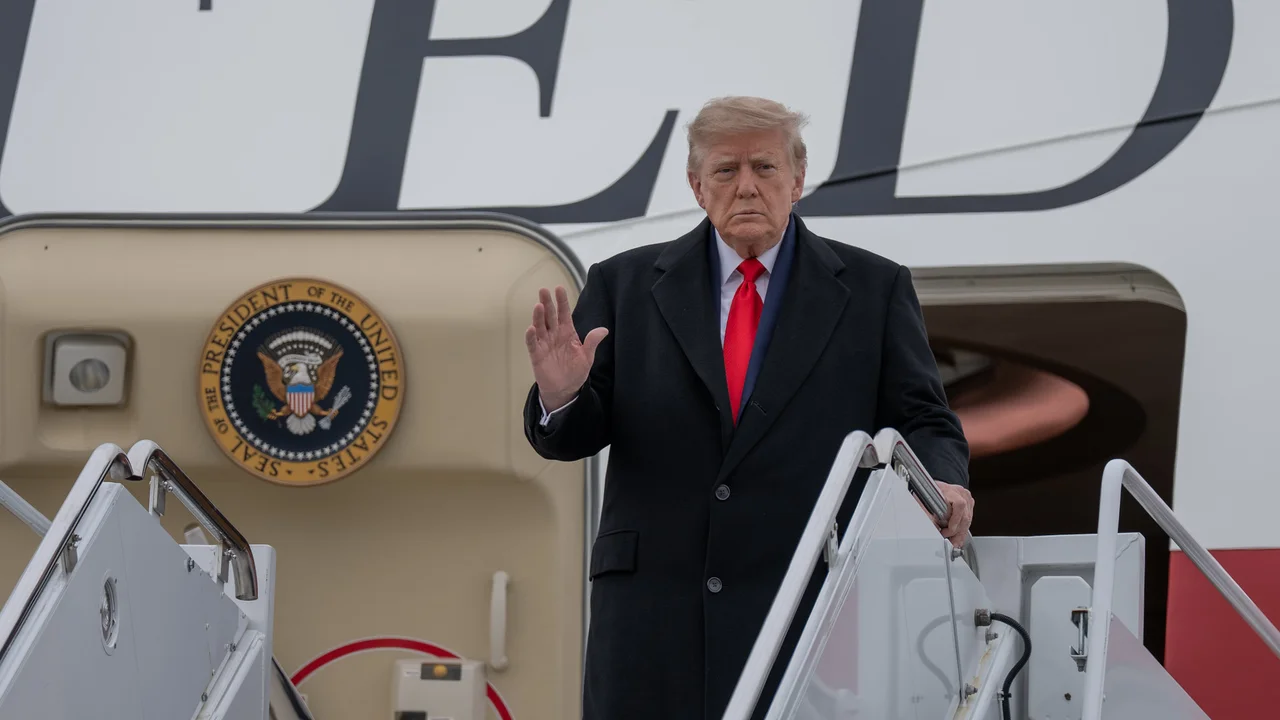
In contrast to Moscow's focus on European security architecture, the White House approaches the Shenzhen summit with a different agenda centered on the ongoing conflict involving Iran and the future of strategic nuclear arms control. President Trump has repeatedly sought assistance from Beijing and Moscow to wind down regional hostilities that have turned into a domestic political burden, though neither power has shown readiness to intervene.
Strategic stability talks face added pressure following the expiration of the New START treaty in February, leaving the US and Russian nuclear arsenals entirely unrestricted for the first time since 1972. Washington insists that any successor framework must include China, reflecting shifting global power dynamics. Beijing consistently rejects tripartite arms control, citing the smaller size of its nuclear stockpile, though Western intelligence estimates project Chinese nuclear expansion to reach one thousand warheads by 2030.
Divergent Expectations in Shenzhen
As the summit approaches, the three participating leaders carry starkly different objectives. For Moscow, the meeting secures coveted international recognition as a co-equal superpower. For Washington, the engagement represents an opportunity to pursue diplomatic breakthroughs on Middle Eastern security and global arms limitation. Meanwhile, host nation Beijing balances the diplomatic prestige of projecting global influence against the risk of unpredictable diplomatic friction stemming from impromptu negotiations.