Tesla Plans Autonomous Model Y Without Steering Wheel or Pedals for Seven
Tesla CEO Elon Musk has announced plans to develop a steering-wheel-free and pedal-free autonomous Model Y designed to transport up to seven passengers for the company's robotaxi fleet.
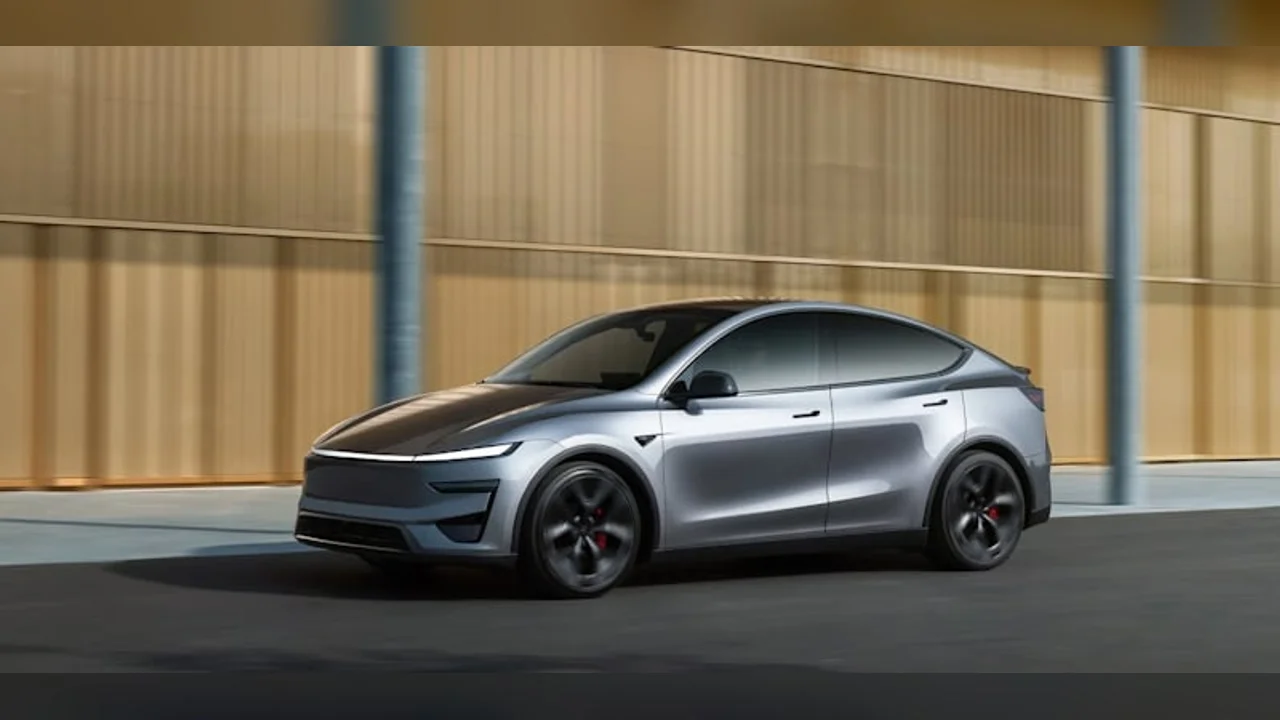
Tesla is planning to develop a fully autonomous version of its Model Y vehicle, featuring no steering wheel or pedals and capable of transporting six to seven passengers. Chief Executive Officer Elon Musk revealed the initiative during The New York Times DealBook Summit, where he participated remotely from China. The upcoming vehicle is designed to integrate into Tesla's robotaxi fleet, enabling the transportation of families and larger groups who cannot fit into the company's smaller autonomous taxis.
Expanding the Robotaxi Fleet
"What we plan to do is have an autonomous version of the Model Y that will not have a steering wheel or pedals and will be suitable for transporting groups of six or seven people," Musk stated, according to media reports. However, he did not disclose a timeline for the vehicle's development or production launch, nor did he provide details regarding its pricing. Musk also did not explain how the interior seating configuration of the Model Y will be modified to accommodate such a passenger capacity.
The new concept is intended to complement the Cybercab, Tesla's two-seater autonomous taxi designed from the ground up without a steering wheel or pedals. According to Musk, the Cybercab will continue to handle the majority of individual trips within the company's robotaxi service, while the larger configuration will address the specific demands of families and groups.
Market Competition and Industry Context
Tesla currently operates Model Y vehicles capable of transporting up to four passengers within its existing ride-hailing framework. Competitor Waymo similarly deploys autonomous taxis with comparable passenger limits, whereas Uber Technologies plans to incorporate autonomous vehicles based on the Lucid Gravity SUV, which accommodates six passengers, into its service network.
Nevertheless, Musk's prognostications regarding autonomous driving timelines have a history of missed deadlines. Back in 2019, Tesla asserted its intention to deploy one million autonomous robotaxis by 2020, a milestone that was ultimately not achieved. On this occasion as well, Musk omitted a specific target date for when the new vehicle will reach commercial production.
During the summit, Musk also addressed the humanoid robot Optimus currently under development by Tesla. He noted that the company plans to showcase another demonstration of the robot in approximately two months, with ongoing engineering efforts concentrating on heavy industrial applications, including mining and metal smelting.