Global Semiconductor Sector Erases 2.3 Trillion US Dollars in Worst Week Since 2001
The global semiconductor sector suffered its worst week in 25 years, wiping out 2.3 trillion US dollars in market value amid growing fears of an artificial intelligence bubble.
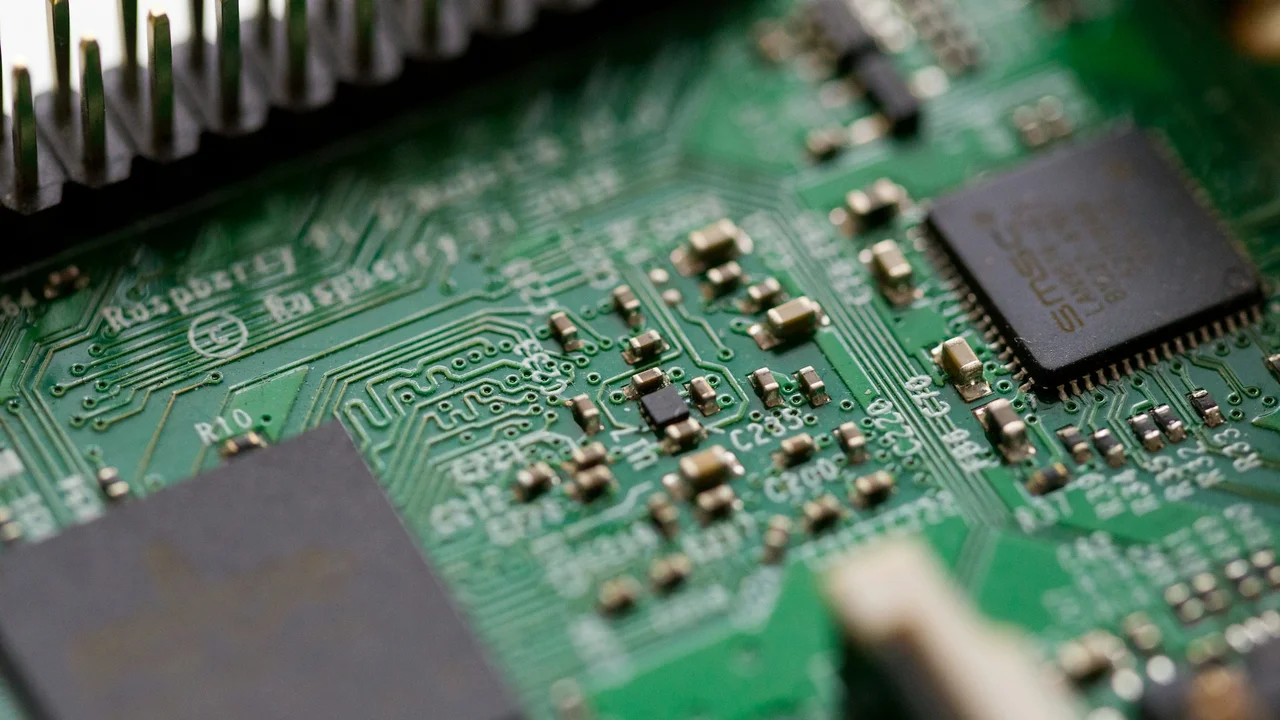
The global semiconductor industry has suffered its worst trading week in 25 years, erasing 2.3 trillion US dollars in market value amid mounting fears of an artificial intelligence market correction. According to Dow Jones data, the PHLX Semiconductor Index plummeted by 10.7% in a single day, wiping out 1.3 trillion US dollars. This steep decline pushed the index down 17.1% for the week, marking its worst weekly performance since September 21, 2001. All 30 equities included in the index dropped by at least 5%, with Astera Labs, Credo Technology, and Arm experiencing the heaviest losses, plunging between 14% and 16% each.
Ted Mortonson, a senior managing director at Baird, noted that the first half of 2026 was characterized by excessive enthusiasm, speculation, greed, and complacency, which rapidly shifted into fear and panic. Early concerns regarding an artificial intelligence bubble intensified despite robust financial results released by Nvidia. The company is currently searching for a successor to former CEO Jensen Huang while navigating mounting regulatory scrutiny from the United States government. Nvidia's valuation tumbled to 3.03 trillion US dollars, pushing it below Google parent Alphabet for the first time in two years.
Regulatory Pressures and Market Fallout
Advanced Micro Devices (AMD) shares plummeted 13% following a short-seller report questioning whether its processors reached servers in China, a claim the company disputed. Both Nvidia and Advanced Micro Devices (AMD) faced additional pressure from tightening export restrictions limiting China's access to advanced artificial intelligence accelerators. Meanwhile, the Federal Communications Commission is considering restrictions on optical equipment, and congressional export-control bills are gaining bipartisan momentum. Ed Mills, an analyst at Raymond James, described these converging policies as a compounding headwind for the technology sector, warning clients of an increasingly restrictive regulatory regime.
Market participants had hoped that the initial public offering of Anthropic would alleviate selling pressure across technology equities. However, the debut failed to reverse broader investor sentiment. Anthropic shares declined 8.5% to close at 88.91 US dollars, hovering just above its initial offering price of 83 US dollars per share. Samuel Kerr, head of global equity capital markets at Mergermarket, emphasized the gravity of the shift:
"Investors will be concerned that we are witnessing the realization of the scenario they have feared for a long time — the bursting of the artificial intelligence bubble."
If current trends persist, analysts warn that artificial intelligence-linked equities could face extended downward momentum as market participants recalibrate valuations against tighter regulatory horizons.