Tel Aviv Tower Resident Ordered to Pay 11,000 Shekels for Lobby Renovation
Tel Aviv land registration inspector orders luxury tower resident to pay 11,000 shekels for lobby renovations and legal fees, ruling that general meeting decisions are binding.

Even in high-end luxury towers, building maintenance disputes frequently surface between residents and management committees. Oshrat Arfi Morai, the senior inspector of land registration in Tel Aviv, recently ordered a property owner in the W Tower located in Tel Aviv to cover his mandatory share of lobby renovation expenses and pay legal fees to the building committee.
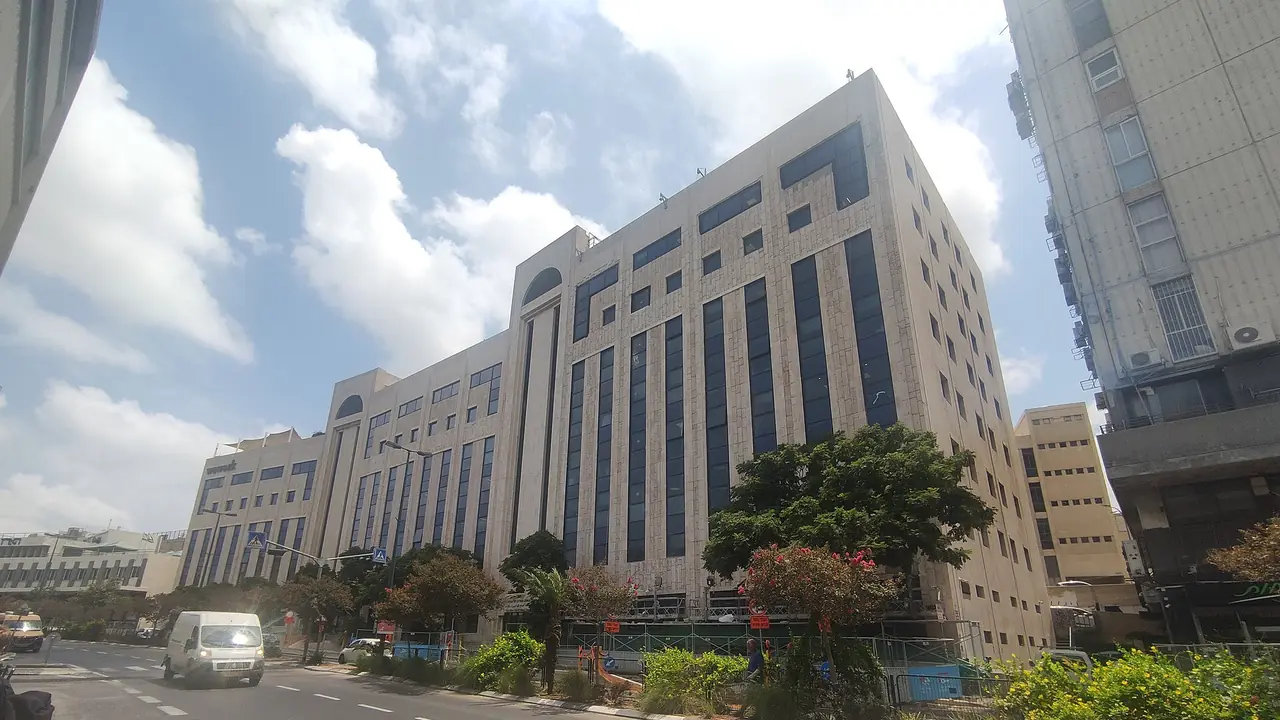
The W Tower, situated on Nissim Aloni Street in Park Tzameret, was constructed in the previous decade as a purchasing group project organized by Israel Canada and comprises 83 residential units. Approximately two and a half years ago, the apartment owners held a general meeting via Zoom, featuring the proposed lobby renovation project on its agenda. Following the meeting, residents received text messages and emails containing a link to an online voting system, which remained active for three days.
Legal Dispute Over Online Voting
When the voting window closed, a decisive majority of 61 apartment owners had voted in favor of the renovations. The building's representative committee subsequently initiated collections to fund the construction work, which reached completion around two years ago.
However, one apartment owner contested the procedure, arguing that the resolution was enacted unlawfully and violated the building's agreed-upon bylaws. He asserted that the decision required a traditional physical assembly rather than a secret online ballot. Although he sought an injunction to halt the construction, the court denied the request because the renovation work had already concluded by the time the petition was reviewed.
The property owner persisted in withholding his share of the renovation costs, which totaled approximately 11,000 shekels. Consequently, the building committee, represented by attorney Tal Nachumson, filed a formal lawsuit to compel payment.
Ruling on Regulatory Compliance
The inspector ruled that once a general meeting adopts a resolution, an individual apartment owner cannot simply refuse compliance, even when harboring doubts regarding its legal validity.
"Much like the governance system in Israel, the general meeting serves as the 'legislature' of the shared building, while the building committee functions as its 'government,' acting as the executive arm for implementing assembly decisions," the inspector stated in her ruling. "Once a general meeting decision is adopted, it remains valid and binds all apartment owners unless altered or overturned through proper legal channels."
The inspector emphasized that if the apartment owner believed the vote was procedurally flawed, he was obligated to fulfill his financial contribution first and pursue legal challenges afterward. Consequently, the inspector ordered the resident to pay the 11,000 shekels for the renovation expenses, alongside an additional 7,000 shekels in legal costs awarded to the building committee.