S&P 500 Plunges 8.6% in Worst Week Since 2025 as Shekel Cushion Limits Losses
The S&P 500 suffered its steepest weekly drop since April 2025, yet shekel-denominated investors absorbed smaller losses due to a strengthening US dollar.
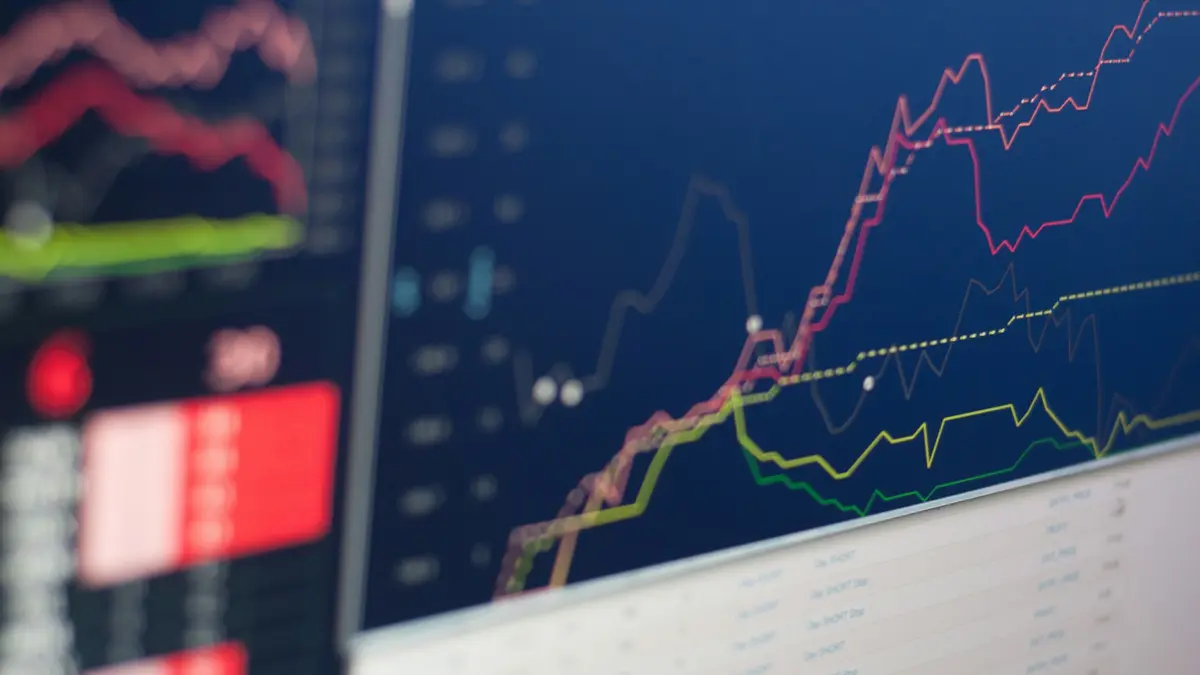
The S&P 500 recently suffered its sharpest weekly decline since April 2025, shedding 8.6% to close at 6,910 points. Out of 503 constituents, 472 stocks retreated, with Nvidia leading the downward trend. Concurrently, the Tel Aviv 35 Index also lost ground, though local investors holding S&P 500 funds denominated in shekels experienced a cushioned impact. During the same period, the US dollar strengthened by approximately 3.4% against the shekel, moving from roughly 3.19 to 3.30 shekels, which limited the total decline in local currency terms to about 5.6%.
The market sell-off originated in artificial intelligence equities and semiconductor firms. The Nasdaq composite dropped 10% over the week to return to its yearly opening level, while Nvidia plunged by approximately 23% amid an accounting review and the postponement of its quarterly earnings report. Simultaneously, financial markets are increasingly pricing in the possibility of a US interest rate hike as early as December.
Entry Timing Shapes Long-Term Returns
For a local investor, returns from the US benchmark depend on two distinct components: performance in dollar terms and exchange rate fluctuations against the shekel. A ten-year investment horizon reveals a virtual tie between the two benchmarks, with both generating roughly 170% in shekel terms. However, the trajectory differed significantly; the S&P 500 advanced by about 217% in dollar terms over the decade, but a weakening dollar—declining from approximately 3.87 to 3.30 shekels—erased a substantial portion of those gains.
Over the past five years, the local index has outperformed, with the Tel Aviv 35 surging by about 103% compared to roughly 57% for the S&P 500 in shekel terms, driven by strong rallies in domestic banking stocks, defense companies, and natural gas shares. Performance figures since January 2026 similarly favor the local market, where the Tel Aviv 35 gained approximately 4.5% while the S&P 500 rose by less than 1% in dollar terms, though dollar appreciation pushed the US index's shekel-denominated return to about 4.3%.
Comparative Portfolio Scenarios
An initial investment of 100,000 shekels made in January 2016 would yield roughly 291,000 shekels today in the S&P 500 compared to approximately 253,000 shekels in the Tel Aviv 35. Conversely, investors who entered the market during the pandemic-induced market trough of March 2020 hold about 211,000 shekels in the US index versus roughly 242,000 shekels locally. For capital deployed in January 2023, the S&P 500 delivered a gain of about 69%, while the Tel Aviv 35 surged by approximately 116%. Across all these periods, historical dollar depreciation against the shekel moderated the ultimate profitability of the American benchmark.
Both benchmarks currently sit below their all-time peaks, with the Tel Aviv 35 trading roughly 15% under its May high and the S&P 500 sitting about 12% below its early October peak. Market participants must also account for extraneous factors excluded from standard gross comparisons, such as dividend yields, management fees, and a 25% capital gains tax applied to both instruments. Because the Tel Aviv 35 typically offers higher dividend yields than the S&P 500, unadjusted comparisons slightly understate the performance of the domestic index, whereas investors utilizing currency-hedged S&P 500 funds experience returns that closely mirror dollar-denominated performance.