Tel Aviv Prepares for Metro Construction as Carmel Market Faces Disruption
Tel Aviv prepares for extensive metro construction that will impact central hubs like Carmel Market and King George Street, prompting calls for tailored business compensation and logistics support.
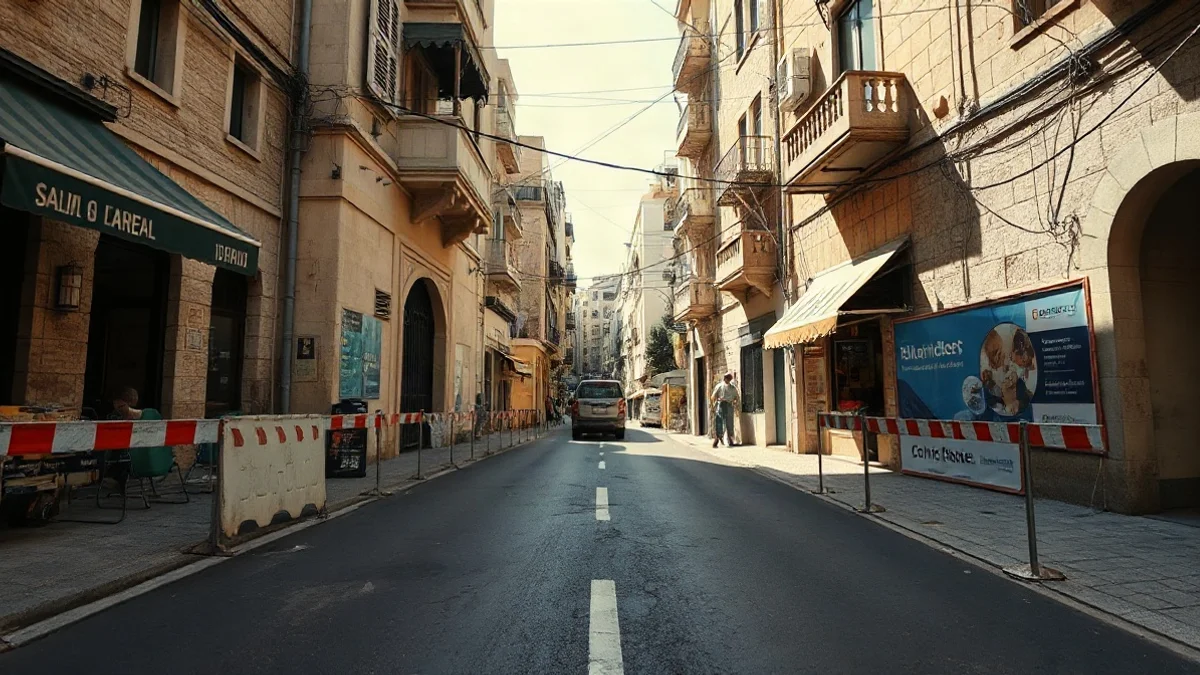
Tel Aviv is bracing for massive infrastructure disruptions as preparations intensify for the upcoming metropolitan metro project. The city's dense urban core is slated to accommodate 20 out of the 109 planned metro stations across three distinct lines, turning key thoroughfares into active construction sites for years to come. Among the areas facing profound transformation is Bezalel Market, along with adjacent buildings on King George Street stretching from Allenby Street to Bethlehem Street, which are designated for demolition to clear space for a new public plaza and metro station.
Major Disruption Zones Across the City
According to Tel Aviv-Yafo Deputy Mayor for Transportation Meital Lehavi, executing the metro network in a densely built-up urban environment presents an unprecedented challenge, compounded by simultaneous light rail construction, cycling lane expansion, and dedicated bus lanes. Major bottlenecks will emerge near the iconic Carmel Market, which is slated to be effectively enclosed by two construction zones. The southern end of the market will feature a station entrance and a staging yard for tunnel-boring machines required for north-south tunneling, generating heavy truck traffic, concrete mixers, and earth-moving operations. Meanwhile, the eastern side near Magen David Square and Bezalel Market will host a second station, shutting down King George Street traffic entirely for roughly two years before shifting to a restricted configuration.
Additional disruptions are planned around Habima Square for the M2 line, forcing dynamic traffic alterations that will periodically sever the connection between Ben Tzion Boulevard and Rothschild Boulevard. Similar heavy impacts are anticipated near Yigal Alon Street and Derech HaShalom, as well as around the Tel Aviv Savidor Railway Station, where preliminary groundwork and infrastructure relocation began in November 2025.
Protecting Local Commerce and Heritage
City officials emphasize that safeguarding the vibrancy of Carmel Market remains a paramount concern during the multi-year construction period. Lehavi underscored the socio-economic weight of the marketplace, noting that the stalls represent multi-generational livelihoods and urban heritage rather than mere real estate assets. While the state has allocated a minimum of 500 million shekels to assist Gush Dan businesses affected by the metro works, current compensation frameworks present significant coverage gaps. Under the approved guidelines, qualifying businesses can receive a 60 percent property tax rebate for spaces up to 120 square meters and tiered financial grants, provided they operate at street level, rely on walk-in customers, report annual turnovers under 13 million shekels, and sit within 4.5 meters of the construction perimeter.
Many vendors within Carmel Market fall outside these strict criteria due to their positioning relative to the worksites, despite being trapped between two stations. City leadership argues that the marketplace requires a bespoke regulatory protocol and a dedicated compensation fund to prevent the vital urban hub from faltering. To mitigate visitor declines, municipal planners are pinning hopes on the upcoming Purple Line of the light rail, which connects Bek'at Ono to Hatikva Market, Levinsky Market, and Carmel Market, alongside tailored parking solutions and trader collaboration.
Strategic Support Frameworks for Businesses
Sharon Bend, an urban planner and chair of the Israeli urban movement Marhav, contends that local authorities must deploy a multi-pronged approach to sustain businesses through prolonged infrastructure projects. Effective intervention relies on three foundational pillars:
- Operational and logistical support: guaranteeing secure access for suppliers, waste collection services, and viable loading and unloading zones.
- Customer accessibility maintenance: continuously mapping walking paths and public transit adjustments, supplemented by collaborative delivery networks for consumers unable to reach the site physically.
- Marketing and communications assistance: executing proactive promotional campaigns that assure the public the market remains open and provide clear navigational directions.
As Tel Aviv navigates this complex engineering undertaking, municipal authorities and urban planners agree that active commercial management and tailored financial safety nets will determine whether historic trading hubs successfully weather the decade of development.