Tax Authority Investigates Multimillion-Shekel Fictitious Invoice Fraud Scheme
Tax authorities are investigating a multimillion-shekel fraud scheme involving fictitious invoices and tax evasion, after a suspect allegedly split transactions to bypass digital monitoring.

Tax authorities are conducting a major investigation into a multimillion-shekel tax fraud scheme allegedly orchestrated by Khalaf al-Turi, a resident of Rahat and the CEO and shareholder of the company V. Bonder. Investigators suspect the suspect of issuing and deducting millions of shekels in fictitious tax invoices while systematically attempting to bypass the Israel Tax Authority's digital invoice monitoring system.
According to the findings of the Tel Aviv and Central District Customs and VAT Investigations Department, the suspect utilized his company between January and February 2025 to improperly offset hundreds of bogus tax invoices. Investigators uncovered that within a single month, more than 450 fictitious invoices were processed, with the vast majority issued on the exact same calendar day.
The fraudulent operation relied on splitting financial amounts across hundreds of individual invoices, each kept intentionally below the statutory threshold of 20,000 shekels. During that period, transactions exceeding this financial ceiling required a mandatory allocation number from the state invoice system. By fragmenting the sums, the suspect allegedly sought to evade regulatory oversight and unlawfully claim input tax credits exceeding 1.5 million shekels in company books. Additionally, authorities revealed suspicions that the company issued fraudulent invoices to clients with a tax value surpassing 5 million shekels.
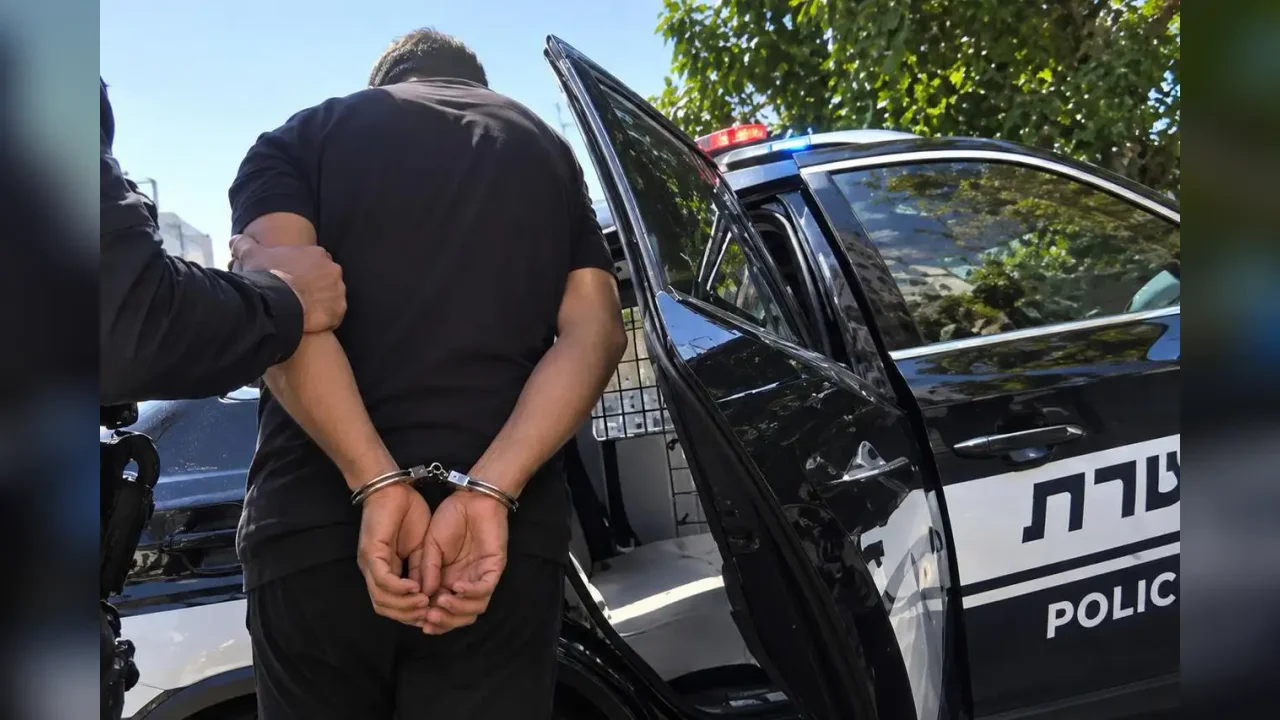
The state digital invoice platform was established specifically to curb fictitious billing by requiring official allocation numbers for transactions meeting regulatory criteria. The mandatory threshold stood at 20,000 shekels in 2025 and is scheduled to decrease to 5,000 shekels starting June 1, 2026. Following his arrest, al-Turi was brought before the Rishon LeZion Magistrate's Court, which ordered his release under restrictive conditions as the criminal investigation remains ongoing.