Annual Road Accidents Claim the Lives of 32 Children Across Israel
Data reveals 32 children aged 0-14 are killed annually in Israeli road accidents, with urban streets posing the greatest danger and 2025 ranking among the worst decades.
An average of 32 children aged zero to fourteen are killed annually in road accidents across Israel, a toll equivalent to an entire classroom wiped out each year, according to data released by the Green Light Association based on Central Bureau of Statistics figures.
The figures, published ahead of International Children's Day, show that 1,413 children up to age fourteen were injured in traffic accidents in 2025. Among them, 35 were killed and 244 sustained serious injuries. Year 2025 tied with 2023 as the second worst year in the past decade for child fatalities in traffic accidents, with minors accounting for approximately 8% of all road accident deaths that year.
Urban Roads: The Primary Danger Zone
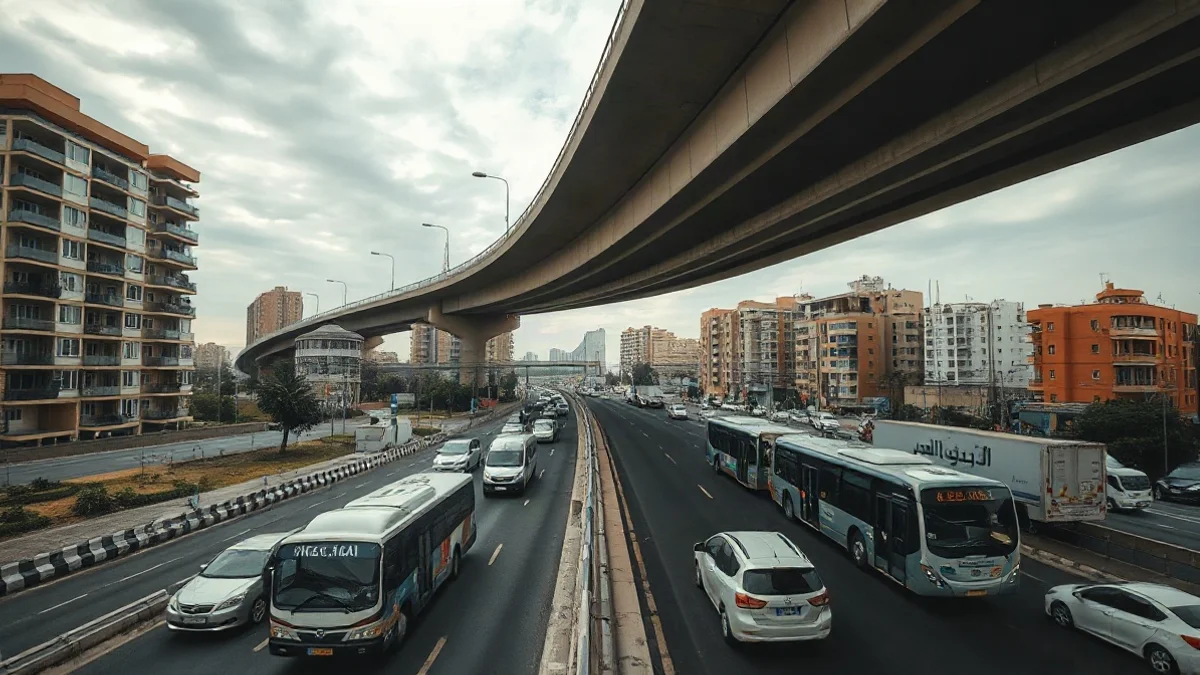
The data reveals that 62% of all children injured in traffic accidents in 2025—totaling 881 children—were hurt on urban roads. Within city limits, 17 children lost their lives, representing nearly half of all child traffic fatalities that year.
A breakdown of casualties in major cities highlights a deeply concerning picture across districts. Jerusalem leads the national list with 89 children injured in 2025, including three fatalities and 20 serious injuries. Over the past decade, the capital recorded 1,684 injured children, with 28 killed and 272 seriously injured.
In the Southern District, Ashdod stands out with 52 injured children in 2025, including one fatality and five serious injuries, bringing its ten-year total to 410 injured children, three of whom were killed. In the Central District, Petah Tikva recorded 47 injured children in the past year, 11 of them seriously, alongside 432 casualties over the decade.
In the Northern District, Haifa registered 46 child casualties in 2025, with six seriously injured, and 595 casualties over the decade. Meanwhile, Bnei Brak in the Tel Aviv metropolitan area saw 36 children injured in 2025—one fatal and 11 serious—and 489 casualties over the past ten years.
Urgent Calls for Infrastructure and Traffic Calming
Expressing alarm over the grim statistics, Yaniv Yaakob, CEO of the Green Light Association, called for immediate and decisive action:
"Every year, an entire classroom is erased from our landscape. We must not accept this tragic and sad figure with indifference. Most children are killed while walking on foot, and therefore the Ministry of Transport and Road Safety must join forces with municipal leaders to implement traffic calming in areas heavily frequented by children."
Yaakob emphasized that installing speed bumps or raising crosswalks near educational institutions and public parks are fast, simple solutions that can mean the difference between life and death. He added that the prevailing strategy of blaming children must change, and dangerous vulnerability points must be identified and rectified.
Vulnerability Factors and Safety Recommendations
Experts explain that children represent a unique high-risk group on the road. Due to their short stature, drivers struggle to spot them when they cross between parked cars. Furthermore, children's distance perception and judgment remain underdeveloped, and they often fail to gauge an oncoming vehicle's speed or associate engine noise with imminent danger.
To reverse these alarming trends, the Green Light Association outlined a series of critical safety measures:
- Traffic Calming: Expanding 30 km/h zones in residential neighborhoods and around schools and kindergartens, alongside installing speed bumps, roundabouts, and elevated crosswalks.
- Separation of Road Users: Paving a continuous network of bicycle and electric mobility lanes physically separated from vehicular traffic and pedestrians.
- School Zone Safety: Establishing safe drop-off and pick-up bays and preventing double-parking or obstructed sightlines near crosswalks.
- Walkability Design: Widening sidewalks, adding shading, and redesigning intersections to shorten crossing distances with protected pedestrian refuge islands.
- Education and Enforcement: Boosting road safety education from an early age, strengthening municipal enforcement regarding seat belts and booster seats, and ensuring parents do not allow young children to cross roads unattended.