Bnei Brak Bridge Opens Without Old City Link, Sparking Traffic Outrage
Bnei Brak residents face severe traffic jams despite a massive bridge investment, as the new route bypasses the old city amid municipal safety claims and political feuding.
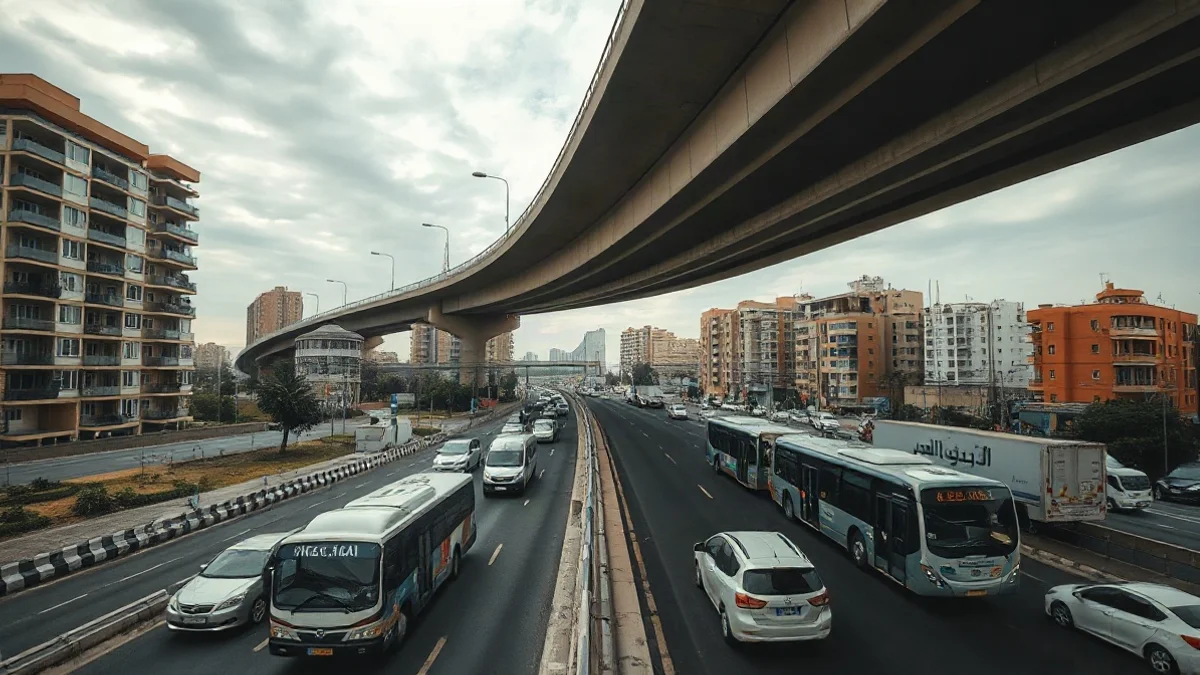
Residents of Bnei Brak continue to face severe traffic congestion despite the construction of a new bridge near the city's writers' compound opposite the Ayalon Mall. The state invested hundreds of millions of shekels in the project, featuring two lanes in each direction, but critics argue the infrastructure fails to provide an additional exit route for the densely populated old city.
While the bridge was designed to serve a newly developed neighborhood, roughly a quarter of a million residents grapple with chronic transportation bottlenecks and a lack of access routes. Sources familiar with the matter alleged that the decision to keep the bridge disconnected from the historic urban core stemmed from non-planning considerations, including pressure from rabbis over Sabbath observance concerns. Compounding the issue, Bnei Brak lacks a central bus station despite its growing population and heavy reliance on public transit.
Municipal Response and Safety Justifications
Rejecting claims of religious interference, the Bnei Brak municipality stated that the Rav Moshe Yehuda Leib Bridge cost 300 million shekels and was funded by the Ministry of Transportation as part of Mayor Hanoch Zeibert's infrastructure overhaul. The city explained that connecting the bridge directly through the Kiryat Herzog neighborhood was intentionally avoided to prevent the residential zone from turning into a hazardous arterial highway.
According to the municipality, Kiryat Herzog is densely populated with children, and authorities previously lowered speed limits on HaTzvi Street to 30 kilometers per hour to protect pedestrians. "Transforming the neighborhood into a central connecting corridor would mean destroying the area and endangering its residents," the city said, dismissing allegations of rabbinical pressure as baseless.
Officials noted that alternative entry and exit points are currently being advanced, including a new connection from Norok Street at the edge of Kiryat Herzog and traffic regulation plans for HaChalutzim and Jabotinsky streets. Furthermore, the municipality is collaborating with the Ministry of Transportation on three potential locations for a central bus station and has implemented intercity transit changes to reduce bus congestion on internal streets.
Criticism from the Opposition
Local opposition figures fiercely condemned the execution and planning of the infrastructure project. Bnei Brak City Council member Yaakov Wieder slammed the outcome as a severe misuse of public funds.
"This is a scandal and a waste of tens of millions of shekels of public money," Wieder stated. "After decades of population growth, a new bridge was built, but instead of finally adding an entry and exit route for the city, political fixers prevented it for extraneous and personal reasons."
Wieder attributed the persistent transit crisis to long-standing municipal leadership, asserting that Bnei Brak lags behind neighboring cities while local officials deflect accountability. He vowed to continue pressing for public funds to be dedicated exclusively to the welfare of residents.