How TAMA 38 Left Israel's Periphery Without Safe Rooms and Seismic Shielding
TAMA 38's market-driven model left peripheral Israeli towns vulnerable to earthquakes and missile attacks without safe rooms, prompting calls for state-funded protection.
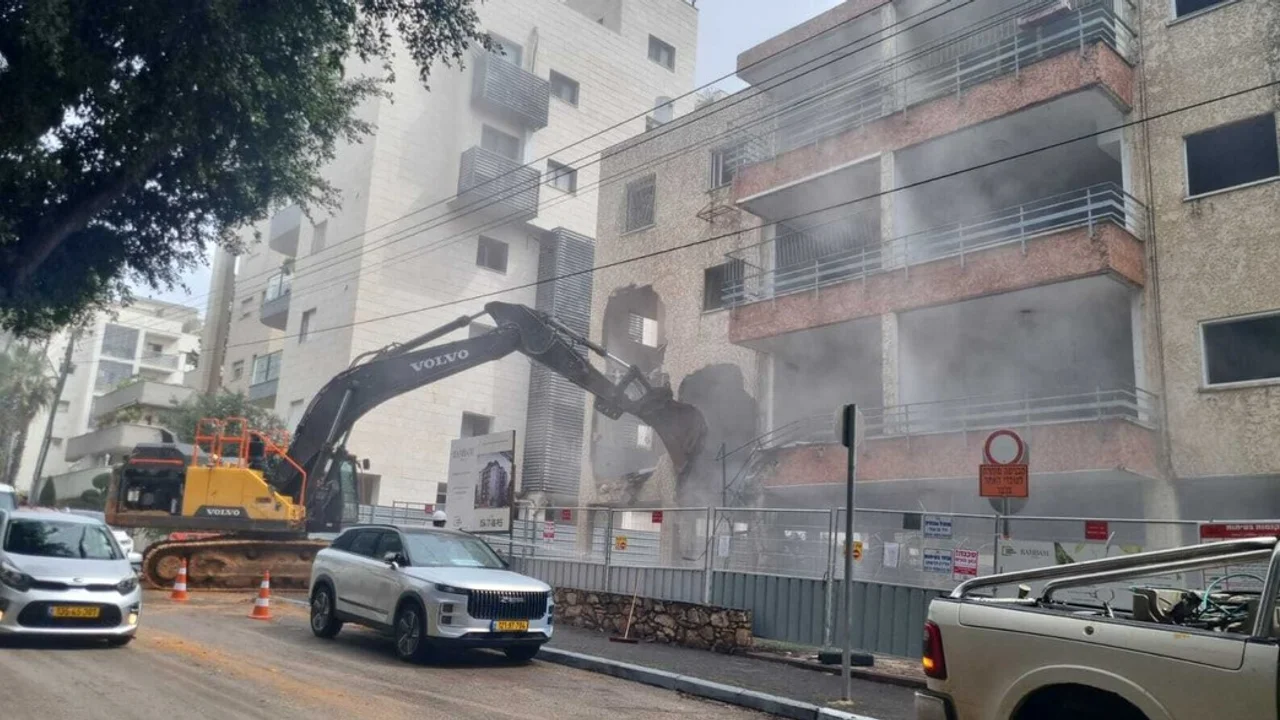
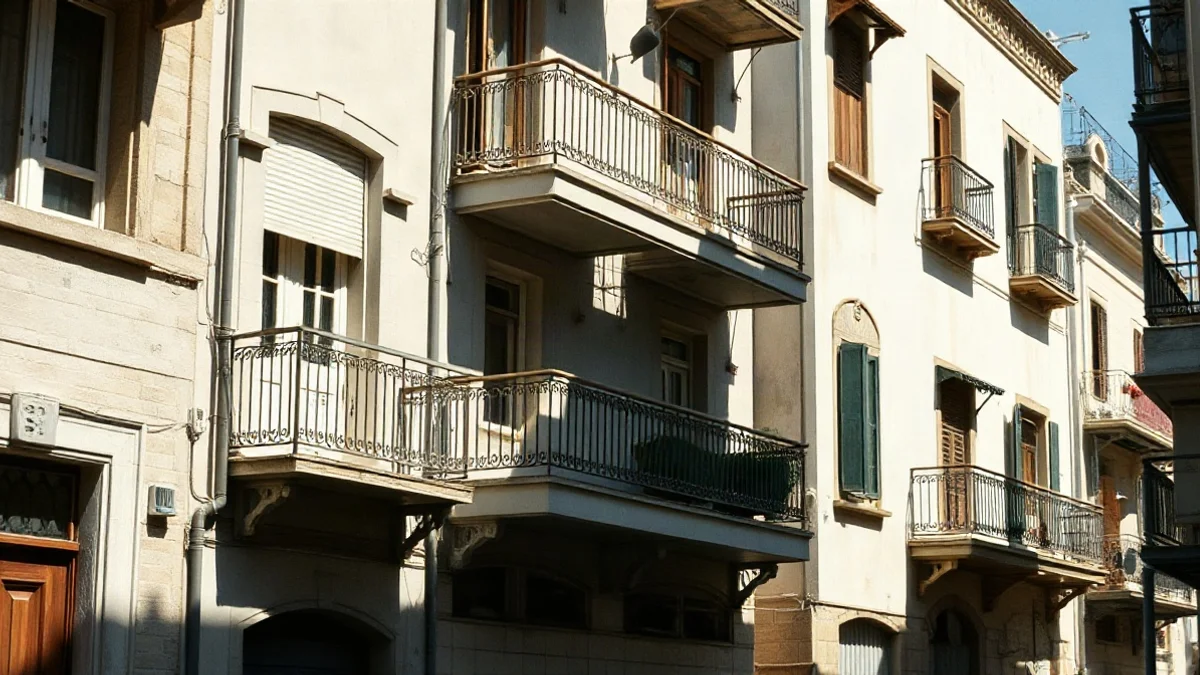
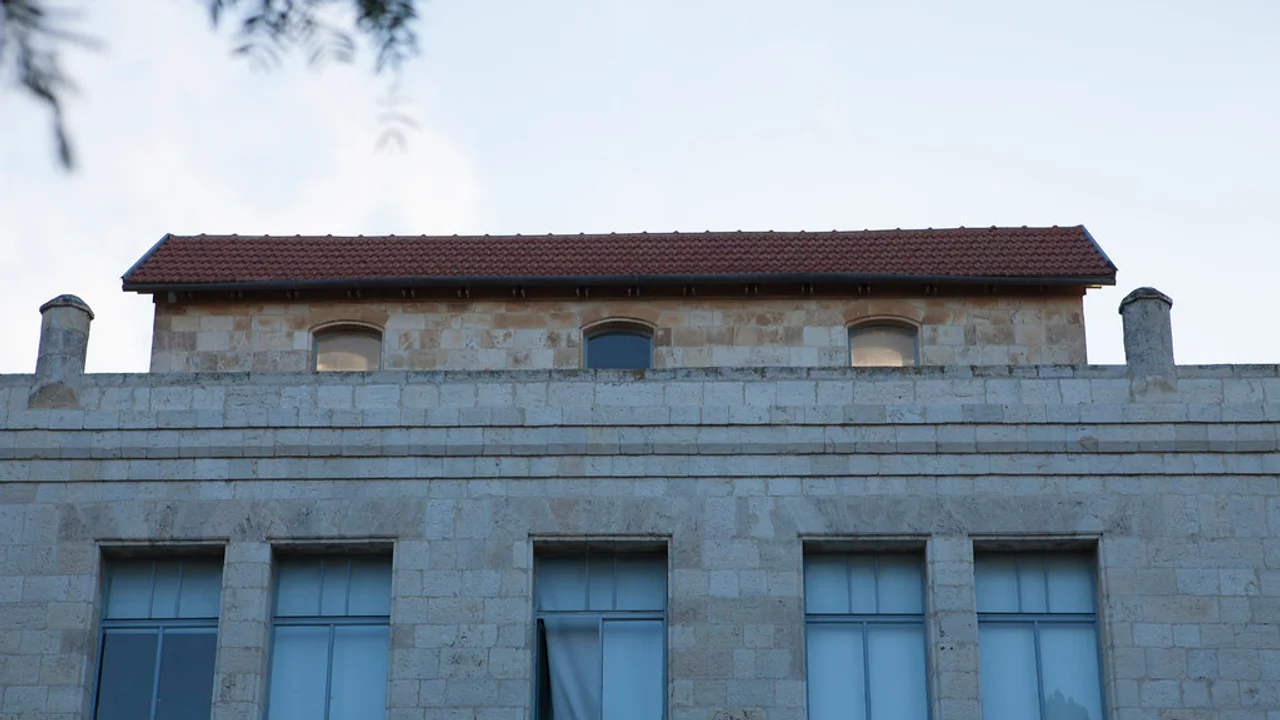
The economic framework of TAMA 38, designed to structurally reinforce aging residential buildings against earthquakes through the addition and sale of new apartments, has widened regional disparities across Israel and left high-risk communities without adequate protection. This structural failure was highlighted by Dr. Ilan Sharkon, founding partner at the law firm Sharkon, Ben-Ami, Asher & Co. and head of the real estate entrepreneurship track at Ono Academic College. He is now urging the state to directly subsidize safety and reinforcement projects in regions where protective infrastructure is urgently needed.
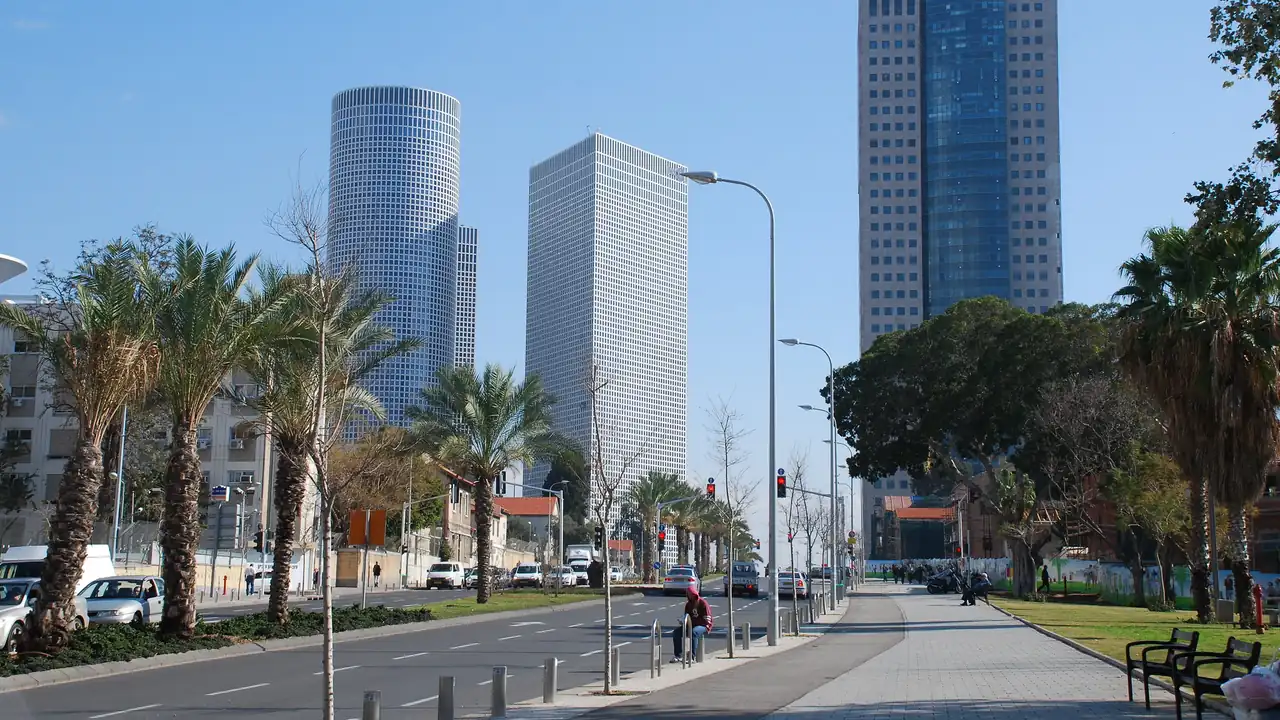
According to Sharkon, author of the book "Planning Wealth - Distributive Justice Considerations in the Planning System," the national incentive model relied entirely on granting supplementary building rights to privately finance structural upgrades. In high-demand metropolitan municipalities such as Tel Aviv, Ramat Gan, and Ramat HaSharon, soaring property values made these projects highly lucrative for private developers while substantially appreciating existing home values. Conversely, in peripheral localities where real estate values remain depressed—including towns situated along the Syrian-African Rift Valley that face acute seismic hazards—project revenues cannot cover construction costs, resulting in stalled or neglected urban renewal.
The Human Cost of Disparities in Regional Protection
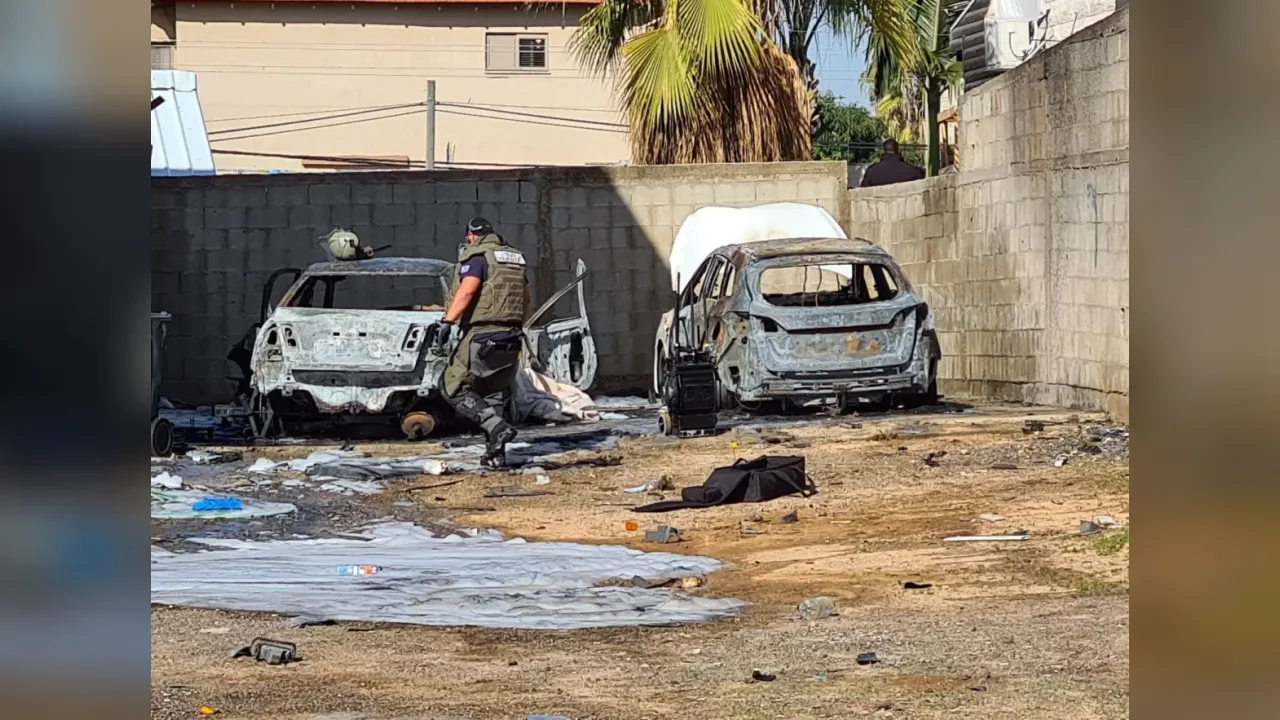
Sharkon's research into distributive justice in urban planning examines how zoning decisions generate economic value and who ultimately captures those benefits. He argues that evaluating urban renewal success strictly by aggregate housing unit counts or approved permit volumes fails to account for the stark geographic divide between fortified neighborhoods and unprotected districts. Recent wartime rocket barrages underscored the severe security price of these market-driven gaps. Thousands of families in older northern and southern residential blocks still lack a Mamad or accessible safe room, forcing residents to dash long distances across courtyards or streets upon hearing incoming air raid sirens.
"The fundamental right to physical protection and the preservation of human life cannot be conditional upon the market value of the land on which a person resides. A resident of Kiryat Shmona, Safed, or Ma'alot is entitled to baseline security no less than a resident of Tel Aviv, Ramat Gan, or Herzliya."
To bridge this dangerous gap, Sharkon advocates for direct state intervention, asserting that the government must prioritize vulnerable municipalities and establish targeted financial support mechanisms to jumpstart construction where standard real estate revenues fall short.