Jerusalem Builds 400-Meter Sorek Basin to Upgrade Wastewater Treatment
A massive 400-meter regulating basin is under construction at the Sorek Wastewater Treatment Plant near Jerusalem to manage heavy municipal sewage surges, severe winter runoff, and holiday spikes.
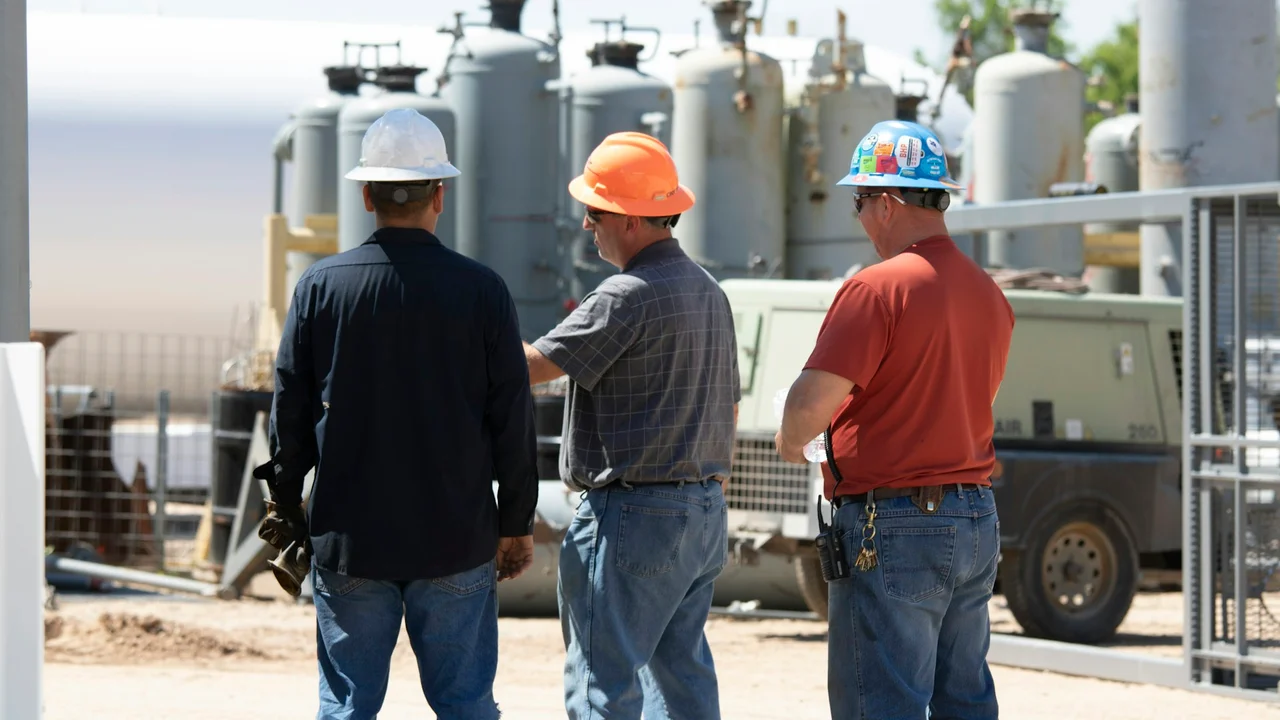
A massive municipal infrastructure project is currently underway in the Judean Hills to expand and upgrade wastewater treatment capabilities for Jerusalem. The initiative centers on the Sorek Wastewater Treatment Plant, situated along the Sorek Stream bed between Nes Harim and Even Sapir. Led by the Jerusalem Sewage and Purification Enterprises, known as MAVATI, with engineering design provided by DHV, the project is scheduled for completion in 2027.
Engineering a 400-Meter Regulating Basin
The centerpiece of the engineering solution is a massive underground regulating basin stretching approximately 400 meters long and 25 meters wide alongside the Sorek Stream. Built as an elongated concrete structure, the basin is divided into four distinct compartments that can be flushed independently. Two dedicated chambers are engineered to capture initial wastewater surges arriving during heavy rainfall events, which frequently carry heavy debris accumulated within the municipal drainage network. Wastewater is subsequently channeled into the central basin and gradually released into the treatment facility at a controlled pace.
Managing Peak Loads and Weather Surges
The new infrastructure addresses a unique infrastructural challenge specific to Jerusalem. Ahead of the Sabbath and major holidays, the city experiences sharp spikes in domestic water consumption, generating massive flow surges that arrive at the treatment plant in compressed timeframes. During the winter months, these loads are compounded by rainwater infiltrating the municipal sewage system due to a lack of complete separation between drainage and sewage networks. This runoff carries solid waste, garden clippings, sand, and gravel, causing clogs, mechanical damage to pumps, and compromising biological treatment efficiency.
Smart Control Systems and Environmental Integration
Flow regulation is managed automatically via water level sensors, flow meters, and remote-controlled valves that adjust the intake rate according to fluctuating loads. The facility incorporates a smart flushing mechanism designed to clear sediment and debris from the basin floor during periods of low incoming volume. Furthermore, the control system integrates advanced predictive software analyzing flow patterns alongside meteorological forecasts to anticipate surges and optimize retention and flushing cycles. This combination of automated flushing and smart control represents a pioneering deployment in Israel, mirroring systems operating in only a select few advanced facilities worldwide.
Environmental Preservation and Stakeholder Perspectives
Constructing the massive basin required careful mitigation of the sensitive environmental surroundings within the Sorek Stream corridor. Crews erected a long concrete separation wall to facilitate excavation and prevent floodwaters from breaching the site during winter swells. Upon completion, the concrete structure will be covered with a layer of earth and landscaping, leaving only secure service hatches visible above ground alongside broader ecological restoration efforts along the stream.
"Jerusalem is developing and growing at a rapid pace, and sewage and wastewater treatment infrastructure must evolve right alongside it," stated Asher Buhbut, Vice President of Operations at MAVATI. "The regulating basin project at the Sorek plant is a strategic investment in the city's infrastructure, designed not only to handle existing loads but to ensure a reliable and efficient system for decades to come."
Hagai Kutzer, CEO of environmental engineering consultancy DHV, emphasized the technological scope of the undertaking: "The primary challenge in this project was designing an engineering solution capable of handling extreme fluctuations in wastewater volumes without compromising treatment continuity or quality. We engineered a unique system combining a regulating basin, an automated flushing mechanism, and smart controls that analyze flow patterns and weather forecasts to prepare for loads in advance."