Unveiling the Hidden Calories, Oils, and Facts Behind Holiday Sufganiyot
Nutritionist Dr. Maya Rozman reveals essential nutritional facts about sufganiyot, covering calorie counts from mini to giant pastries, oil safety, jam ingredients, and home baking.
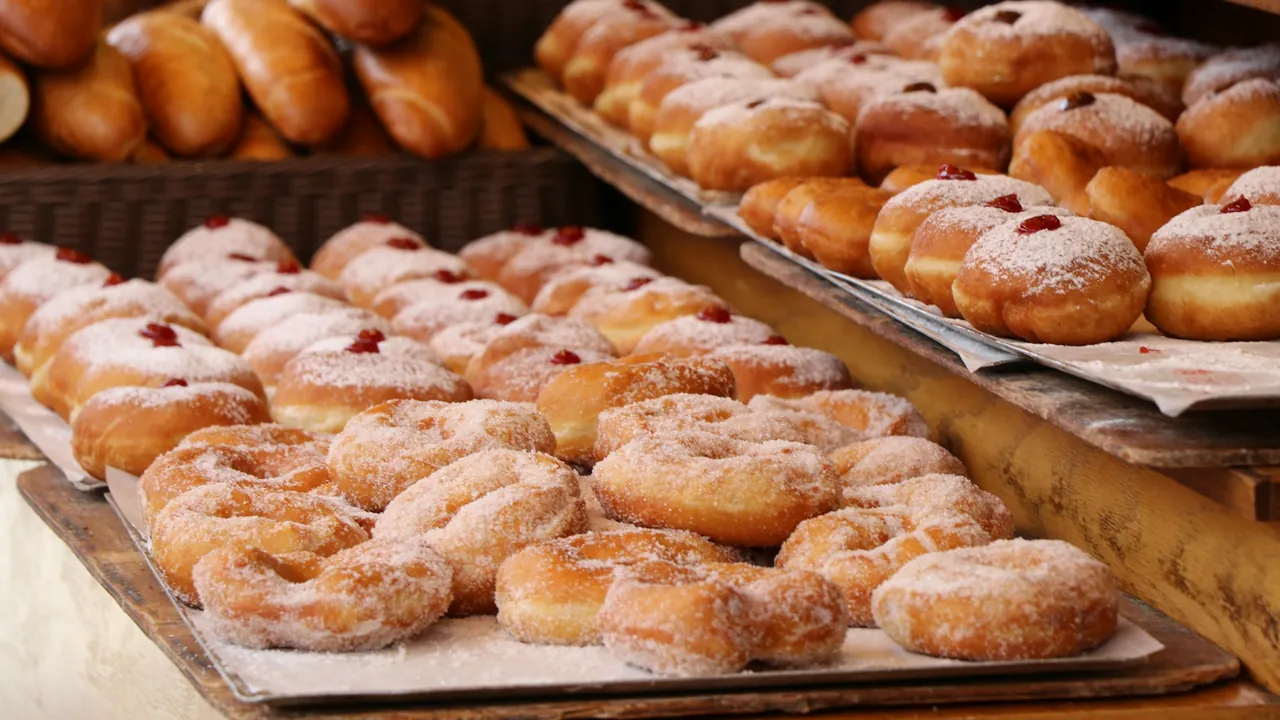
Hanukkah brings with it the beloved tradition of the sufganiyah, but the classic jam-filled treat with powdered sugar is long gone as the sole option on bakery shelves. Today, consumers face an overwhelming array of gourmet variations featuring pistachio cream, rich chocolate, dulce de leche, and elaborate toppings rising several centimeters high. Nutritional expert Dr. Maya Rozman breaks down the essential facts regarding caloric content, frying methods, and health considerations surrounding the holiday season.
Caloric Breakdown: From Mini to Mega
The caloric differences among sufganiyot are vast and depend primarily on size, dough composition, and extra toppings. A standard mini sufganiyah with jam ranges between 150 and 220 calories, while a classic regular-sized pastry contains roughly 300 to 450 calories. Larger varieties filled with cream and chocolate coatings climb to 450 and 650 calories. Giant creations layered with cream, ganache, cookies, and extravagant decorations can easily reach 700 to 900 calories or more.
The Science of Commercial Frying and Oil Quality
One of the most critical health concerns in commercial frying involves the repeated heating of cooking oil over extended hours at high temperatures. In the presence of oxygen, oxidation and decomposition processes generate various compounds, including aldehydes. Although occasional reuse does not immediately render oil dangerous, dark oil with an abnormal odor that foams or smokes at standard frying temperatures is no longer suitable for use. Oil quality and regular replacement schedules matter just as much as the initial type of oil used.
Decoding the Red Jam Filling
Many industrial sufganiyot do not actually contain true strawberry jam. Instead, the red filling is frequently based on apples, sugar, artificial flavorings, and food coloring. One additive sometimes found in such fillings is E129, known as Allura Red, which carries mandatory warning labels in Europe regarding potential effects on children's activity and attention. This does not mean every red-filled pastry contains this dye, but consumers wishing to limit artificial colorants should inspect ingredient lists for real fruit preserves.
Baked Alternatives and Frying Temperature Dynamics
Baked sufganiyot generally contain less fat and calories because they do not absorb frying oil, provided the dough and filling remain identical. However, adding butter, excess sugar, rich cream, and chocolate glazes can completely erase this caloric advantage. Furthermore, a dark crust does not necessarily mean the pastry absorbed more oil; browning results primarily from sugar-protein Maillard reactions and caramelization. Absorption depends on frying time and temperature, as frying in oil that is too cold actually extends cooking time and increases oil absorption.
Homemade Versus Bakery-Made Pastries
Preparing sufganiyot at home offers the major advantage of complete ingredient control, allowing cooks to use fresh oil, reduce sugar, select quality jam, and avoid artificial additives. Yet, home frying without a kitchen thermometer makes it difficult to maintain a stable oil temperature. Oil that is too cold causes the dough to absorb excess grease, sometimes resulting in a heavier calorie count than professionally fried bakery items. Ultimately, managing holiday nutrition comes down to portion control, ingredient awareness, and choosing the treats you truly enjoy.