Sudan and Ethiopia Escalate Border Confrontation Amid Mutual Proxy War Fears
Sudan and Ethiopia escalate border tensions and diplomatic hostilities, trading mutual accusations of supporting rebel factions and risking a wider regional proxy war across East Africa.
Sudan and Ethiopia are escalating their diplomatic and military confrontation along their shared border, trading mutual accusations of meddling in domestic conflicts and backing armed insurgent forces. Khartoum claims that Addis Ababa permits the paramilitary Rapid Support Forces to establish encampments on Ethiopian territory and launch cross-border UAV attacks. Conversely, Ethiopia accuses the Sudanese military of assisting rebels fighting in the Tigray region. Both governments have officially denied these allegations.
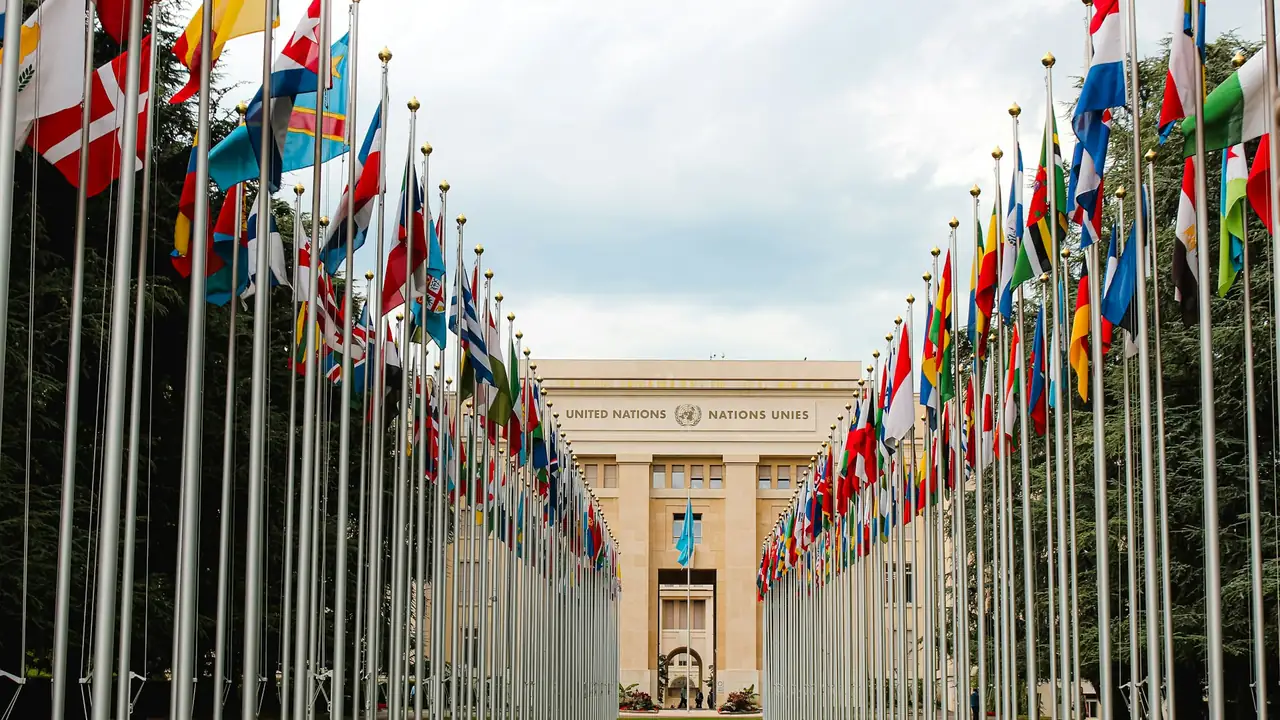
The friction spilled over into the diplomatic arena in early November, when the Sudanese military submitted formal complaints against Ethiopia to the United Nations Security Council and the African Union Peace and Security Council, citing evidence of Addis Ababa's involvement alongside the Sudanese militia. In retaliation, Ethiopia ordered the closure of the Sudanese consulate in the city of Assosa and expelled six of its staff members within days. Sudan responded immediately by closing the Ethiopian consulate in the city of Gedaref.
Military Buildup and Regional Alliance Networks
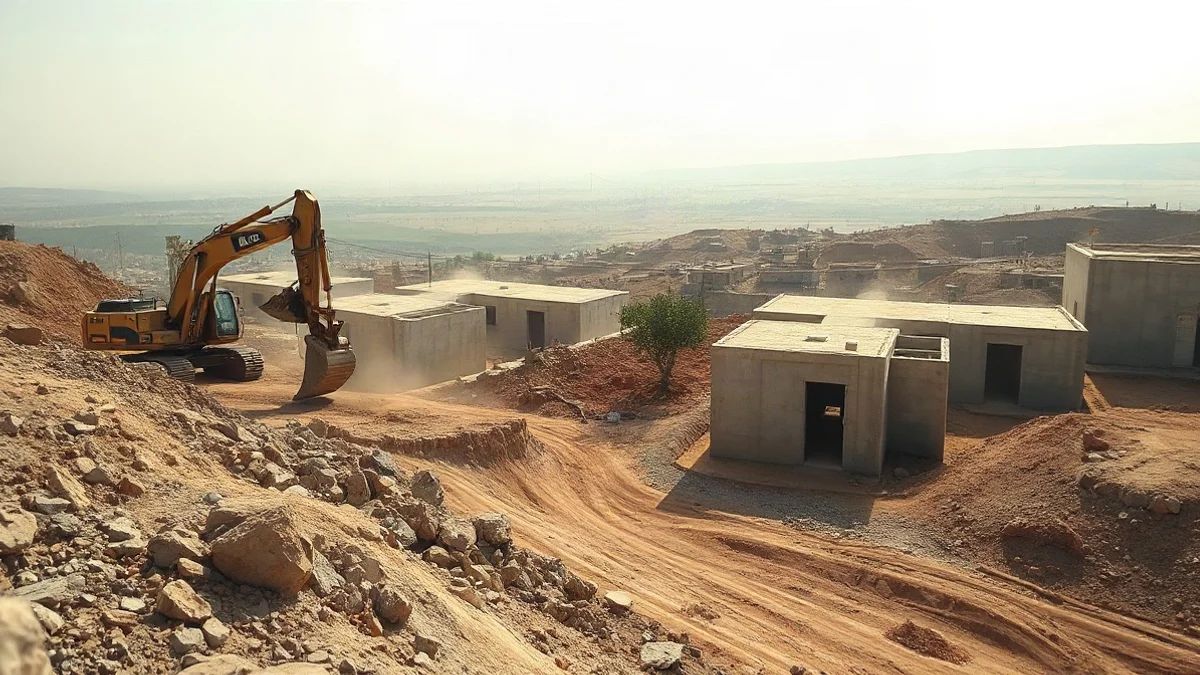
Military tensions are currently concentrated in Sudan's Blue Nile state, which borders Ethiopia. In late August, the Humanitarian Research Lab at Yale University published an analysis of satellite imagery indicating an unusual accumulation of vehicles and military equipment at an Ethiopian base in Assosa, linking the deployment to the Rapid Support Forces. Meanwhile, Ethiopia asserts that Sudan exploits the porous border to arm rebels fighting federal forces in Tigray, where fighting resumed last September after nearly four years of a fragile ceasefire.
Regional experts warn that the entanglement of these two conflicts threatens to ignite a broader regional proxy war. Jarvin Naidu, a senior political economist at Oxford Economics Africa, noted that the situation elevates the risk that instability in Ethiopia will merge directly into Sudan's ongoing war. Alan Boswell, Horn of Africa project director at the International Crisis Group, cautioned that all the necessary ingredients are present for a severe escalation that could further destabilize both nations.
The crisis is further complicated by a web of competing regional alliances. While Ethiopia maintains close ties with the United Arab Emirates, Sudan relies on a regional axis comprising Egypt and Eritrea, with Turkey attempting to balance relations between both capitals. Researchers at Yale warn that any further escalation could trigger another massive wave of population displacement across the Horn of Africa.
Historical Context and Border Disputes
The current crisis unfolds against a backdrop of prolonged historical grievances, most notably the devastating civil war in Sudan. That conflict erupted in April 2023 following a violent power struggle between the national army and the Rapid Support Forces. According to international conflict monitoring data, the war has claimed at least 59,000 lives and displaced approximately 13 million people, though humanitarian agencies estimate the actual casualties are significantly higher.
Beyond internal warfare, bilateral relations remain severely strained over the disputed Grand Ethiopian Renaissance Dam on the Blue Nile, completed in 2025 at a cost of approximately 5 billion US dollars. Sudan and Egypt demand a legally binding agreement governing the filling and operation of the mega-dam to protect downstream water supplies. Additionally, the fertile Al-Fashaga strip, where Ethiopian farmers cultivate disputed agricultural plots, continues to serve as a persistent flashpoint between the two militaries.