UK Imposes Sanctions on Eight Israeli Construction Firms Over Settlements
The UK imposed economic sanctions on eight Israeli construction companies and the Tzav 9 movement, aiming to curb West Bank settlement expansion and protect the two-state solution.
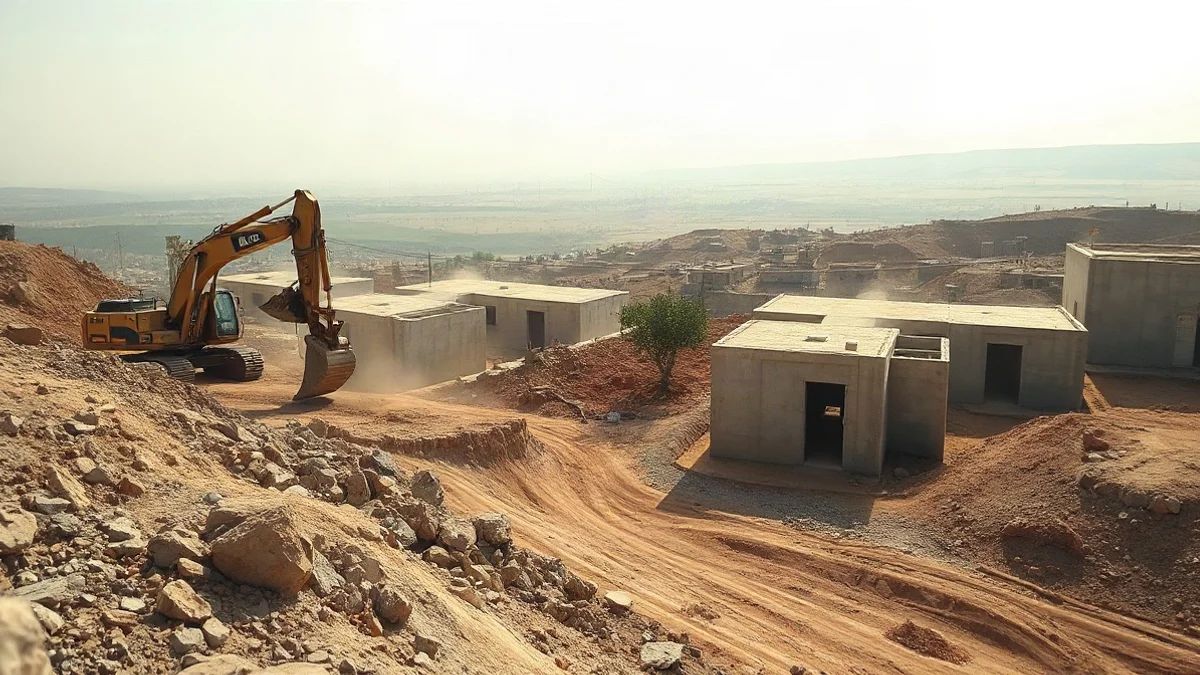
The United Kingdom has escalated its diplomatic and economic pressure against settlement expansion, imposing direct financial restrictions on eight Israeli construction companies alongside the "Tzav 9" protest movement. The measures, announced by UK Foreign Secretary Ed Miliband, are designed to curb real estate development in the West Bank that London contends undermines the viability of a two-state solution.
The initial sanctions package under the newly tightened policy targets firms involved in the planning, construction, supply, and marketing of housing units and infrastructure in the West Bank. The blacklisted entities include the Har Hebron Development Company, Hemdat Shomron, S.A.G. (Velvel) Construction and Development, Lev HaHar Entrepreneurship, Harey Zahav, and Ariel Housing Judea and Samaria.
Impact on Targeted Enterprises
The restrictions also apply to Ami Gvirtzman Architects 2021 and Z.P. Building Company. The sanctions entail asset freezes and management bans under British jurisdiction, meaning that any funds or assets these corporations hold within the British financial system face immediate blockage. Furthermore, UK persons and institutions are generally prohibited from transferring financial resources or economic benefits to the designated entities without specific regulatory permits.
While British authorities emphasize that the penalties target economic activity within West Bank settlements rather than trade inside Israel's sovereign borders, the measures apply to the companies in their entirety. Consequently, broader commercial transactions involving British-regulated entities could face severe operational friction, though the overall volume of corporate assets exposed to the UK financial system remains undisclosed.
Background and Strategic Context
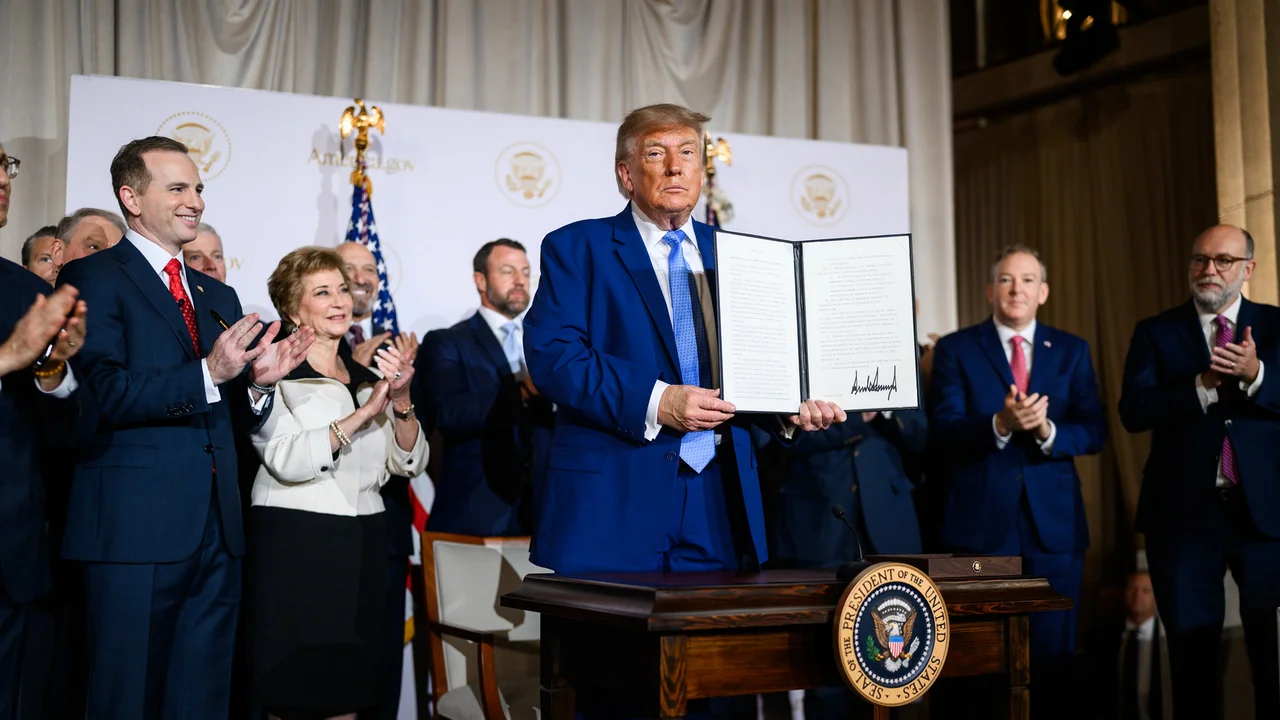
The UK measures follow earlier international actions, including previous US sanctions on the "Tzav 9" movement over humanitarian aid blockades, which were later lifted under the administration of US President Donald Trump. London's independent move arrives as controversial development plans advance, including the E1 project situated between Jerusalem and Maaleh Adumim, which encompasses over 3,400 planned housing units.
Foreign Secretary Ed Miliband has explicitly warned contractors against participating in settlement tenders or profiting from such projects. Despite the mounting economic pressure and the threat of asset freezes, it remains unclear whether the British sanctions will deter companies from engaging in upcoming municipal and regional infrastructure tenders or if construction initiatives will proceed as scheduled.