US Administration Officials Clash Over AI Sanctions During Presidential Asia Tour
A sharp policy clash within the US administration has surfaced during a presidential tour to Asia, focusing on sanctions against a Singaporean firm linked to advanced AI semiconductor exports to China.
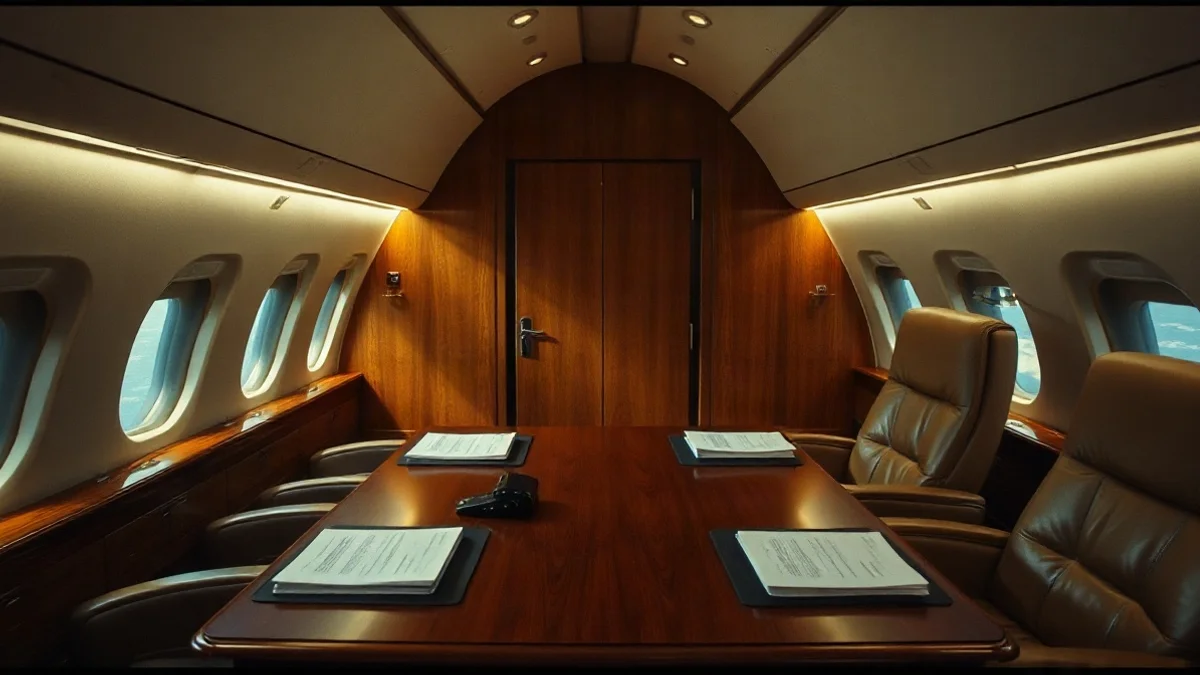
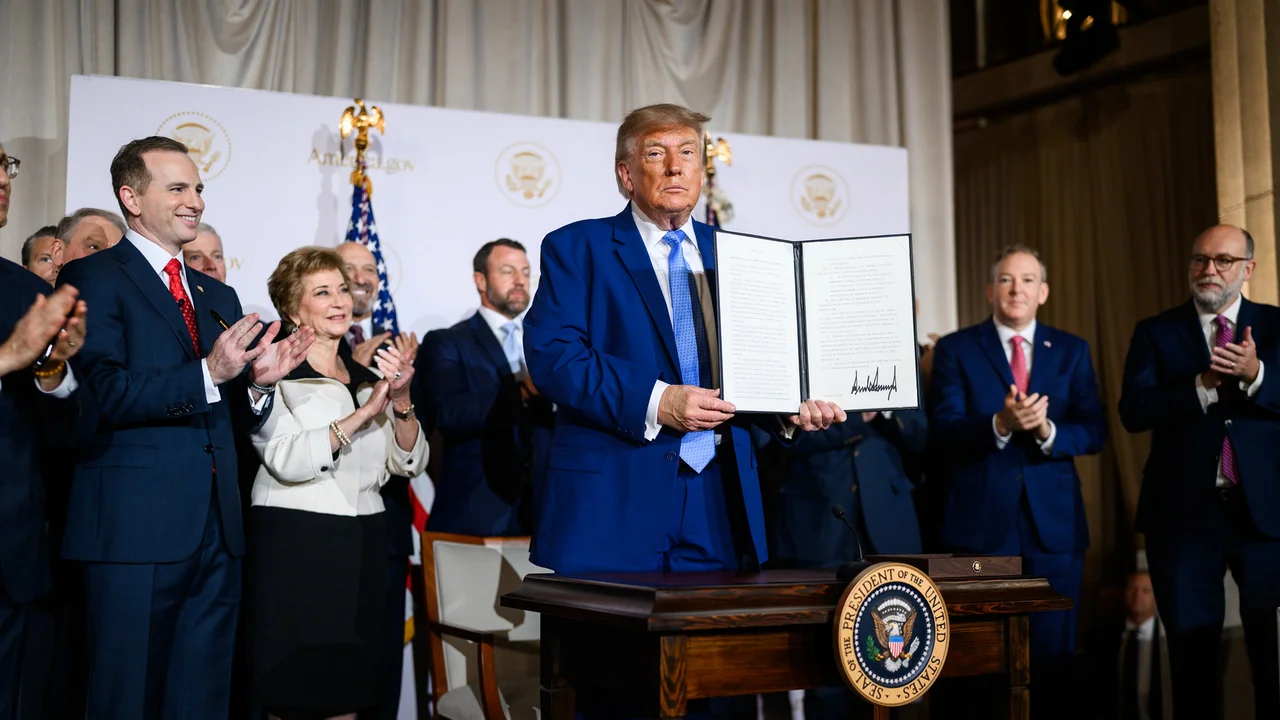
A high-stakes policy disagreement among senior economic advisers in the US administration has emerged during the presidential diplomatic tour to Asia, centering on proposed sanctions against a Singaporean firm accused of funneling advanced artificial intelligence technology to Beijing. US President Donald Trump acknowledged the rift aboard the presidential aircraft, explaining that Commerce Secretary Howard Lutnick sought to temper the measure to prevent bilateral tensions ahead of scheduled high-level meetings with Chinese President Xi Jinping.
The delegation accompanying the president includes stops in the Philippines and China, alongside key diplomatic engagements. While Treasury Secretary Scott Bessent and other national security agencies advocated for blacklisting the Singapore-registered firm Mega-Speed over alleged illicit transfers of advanced Nvidia semiconductors, Lutnick reportedly delayed the regulatory designation.
Administration Rifts and Policy Debates
President Trump defended the delicate balancing act to reporters, noting that cautious pacing avoids an unnecessary diplomatic rupture with Beijing. "He might have delayed it, but he did it because if you didn't delay it, if you didn't act carefully, you could have an explosion with China," Trump stated, while emphasizing that he understands both perspectives and will make a final determination.
The controversy intensified following allegations that Mega-Speed facilitated Chinese acquisition of restricted computing hardware. Bessent publicly confirmed that the Department of the Treasury, the Department of Defense, the International Trade Commission, and the Department of State had supported adding Mega-Speed to the restricted entities list for months, noting that final authority rests with the Department of Commerce.
Congressional Scrutiny and Corporate Fallout
Meanwhile, the Department of Commerce issued a new regulatory framework formulated in coordination with the Department of the Treasury and the National Security Council, designed to block foreign entities and third-party data centers from circumventing US export controls on advanced computing systems.
"We will continue to assess all security implications surrounding semiconductor supply chains while maintaining strategic stability," administration officials underscored regarding ongoing regulatory oversight.
In addition to the executive branch friction, the controversy has drawn intense congressional oversight. Democratic Senators Elizabeth Warren of Massachusetts and Chris Coons of Delaware formally requested that the administration preserve all records concerning advanced AI semiconductor exports and national security risks. Commerce Secretary Lutnick, a longtime ally of the president and former chief executive of Cantor Fitzgerald, agreed to testify before the Senate Banking Committee on December 10.