Success in housing, failure in taxation: what happened to Zohran Mamdani's campaign promises
Six months into his term, New York City Mayor Zohran Mamdani faces the reality of governance, as many of his ambitious campaign promises remain unfulfilled due to legal constraints and budgetary limitations.
New York City Mayor Zohran Mamdani, who completed six months in office on July 1, is known primarily for his anti-Israel positions, which peaked with his announcement to bring about the arrest of Prime Minister Benjamin Netanyahu during his next visit to New York. Mamdani was forced to backtrack on this decision after it became clear that he did not have the authority to implement it. This is not the first time that Mamdani's dramatic promises have crashed against the ground of reality. Thus, the wealth tax that he promoted as a tool for closing budget holes will not be realized — again, because he does not have the authority to do so.
The 34-year-old Democrat swept voters along with a series of promises with a socialist flavor, including free transportation, subsidized daycare, rent freezes, and a wealth tax. A significant portion of these promises have yet to be fulfilled, whether due to technical delays or because they were not feasible from the start. According to the mamdanitracker website, which monitors the pace of campaign promise fulfillment, 77% of the programs have not yet been launched, while only 3% have been completed. But in the meantime, Mamdani continues to enjoy high approval ratings. According to a poll published by Siena College in June, his support stands at 58%, compared to 48% at the end of the first 100 days, while 26% of the city's residents expressed dissatisfaction with his performance.
The first obstacle he overcame was the approval of the budget, after inheriting a deficit of 12.6 billion dollars. Thanks to his ties with New York Governor Kathy Hochul, Mamdani managed to balance the budget slightly with an 8 billion dollar bailout package she organized for him. The 2027 budget was passed at the end of June and stands at 126 billion dollars. At the same time, Mamdani was forced to backtrack on some of his campaign promises, including his plan for free public transportation. Back in April, the mayor was forced to admit that the plan was not feasible due to the high cost, with estimates of annual revenue losses of 800 million dollars. The compromise reached was the expansion of a program offering discounted fares to residents earning up to 200% of the federal poverty line. As a result, the number of eligible residents increased from 960,000 to 1.3 million.
The housing crisis was at the center of the campaign, and it also represents some of the few promises Mamdani has fulfilled so far. The mayor managed to expand the CityFHEPS rent assistance program, albeit on a smaller scale than planned. The program, which provides vouchers to supplement rent, was expanded by 5,600 households to 67,000. However, nearly 100,000 homeless people still sleep in city shelters every night, a third of them children. In May, Mamdani unveiled his flagship plan to solve the crisis, under which 200,000 affordable housing units will be built over the next decade and 200,000 existing homes will be upgraded. The plan requires spending of 22 billion dollars over the next five years, as well as rezoning of land. Last month, the Rent Guidelines Board, most of whom were appointed by Mamdani, approved a rent freeze on one- to two-year contracts for one million apartments.
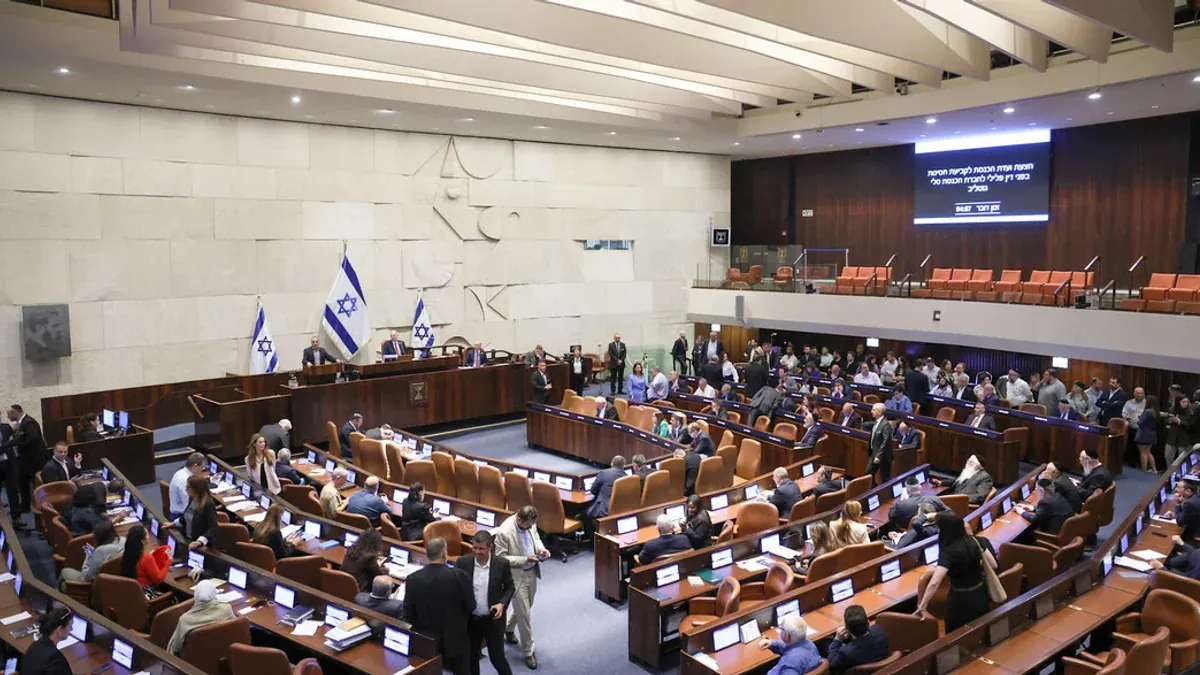
The budget crunch was also supposed to be solved by a wealth tax, a controversial idea that Mamdani promoted during the campaign. His commitment to raise the income tax on those earning more than one million dollars a year by 2 percentage points to 5.9%, and the corporate tax to 11.5%, failed the reality test. The reason: the authority for this lies with the New York State Legislature, where the proposal met resistance. In the meantime, his proposal to tax second homes for those who own more than one property worth over 5 million dollars is still pending. The tax, which is in addition to property tax, is expected to double the tax payments applicable to the wealthy and will inject 500 million dollars a year into the city's coffers.