Who Pays When a Storm-Felled Tree Damages Your Car? Liability Explained
When a storm-felled tree damages a parked car, determining liability requires checking the tree's origin, municipal maintenance records, and comprehensive insurance policies.
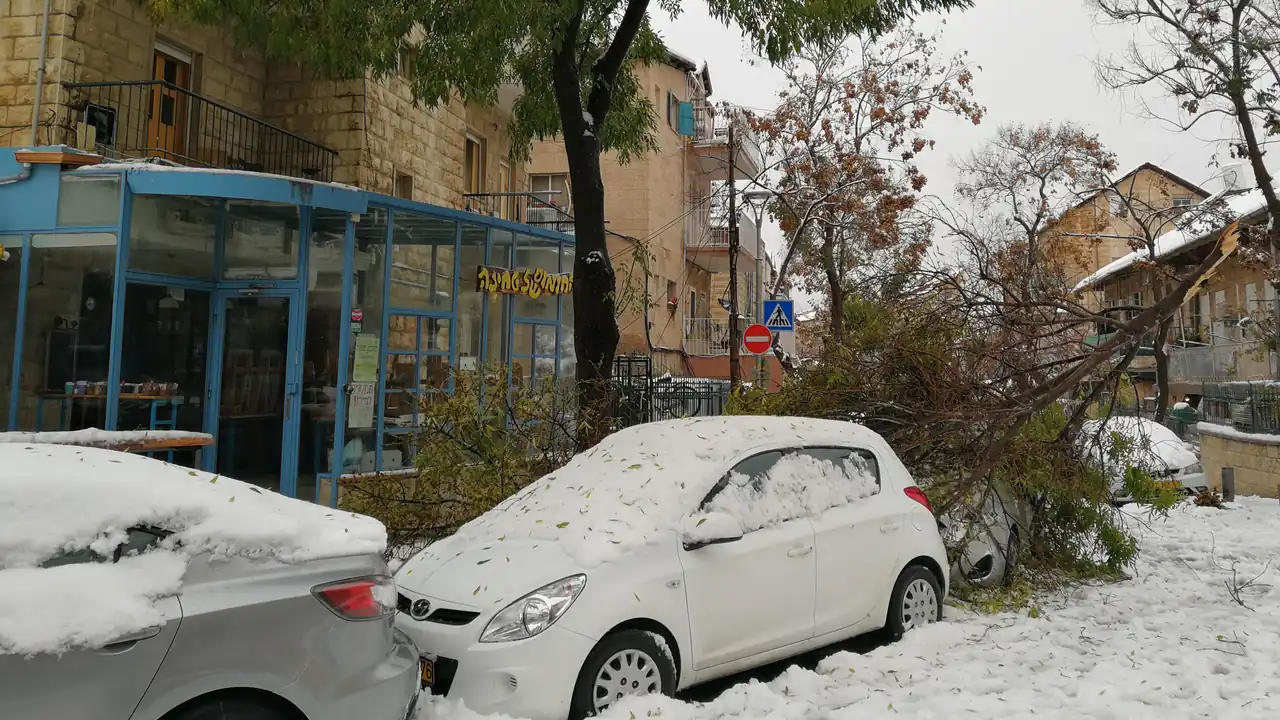
When severe winter winds topple a heavy tree branch onto a parked vehicle, shattering windows and buckling roofs, vehicle owners frequently assume the local municipality bears automatic liability. However, liability depends heavily on whether the tree stood on municipal property or private grounds, requiring careful verification before filing a compensation claim.
Determining Liability and Negligence
The initial step involves locating the exact base of the trunk. If the tree grew on public land, liability falls on the responsible municipal authority or government body. Conversely, if the trunk originated in a private or shared building courtyard, responsibility typically points to the property owner or management company. An overhanging branch extending across a public sidewalk from behind a private fence still traces back to the property where the tree is rooted.
To establish a legal claim of negligence, vehicle owners must prove that a foreseeable risk existed, that the responsible party failed to take reasonable preventive measures, and that a direct causal link connects the negligence to the vehicular damage. Previous resident complaints regarding an unstable branch or lack of regular maintenance logs serve as crucial evidence. In a ruling at the Safed Magistrate's Court, judges upheld a claim against a municipality following a severe snowstorm because the local authority failed to demonstrate that it had inspected the specific street prior to the storm.
Insurance Claims and Documentation Steps
Storm damages generally fall under standard comprehensive car insurance policies, though vehicle owners must verify specific coverage terms and deductibles with their insurer. Before clearing debris, owners should photograph the damaged vehicle, the fallen branch, the tree trunk's exact location, and the surrounding parking area. Recording the exact address, time, and municipal hotline call reference numbers strengthens the claim.
Key steps and documentation required for compensation include:
- Saving towing receipts, repair invoices, and professional surveyor assessment reports.
- Gathering neighborhood testimonies and checking for nearby security cameras that captured the incident.
- Verifying previous municipal complaints regarding the hazardous tree.
- Consulting legal counsel if property owners and municipalities dispute responsibility.
If an insurance company settles the repair costs, the right of subrogation typically transfers the recovery claim against the liable third party to the insurer up to the payout amount. Policyholders may independently pursue responsible parties for uncovered expenses such as insurance deductibles.