Billionaires Displace Millionaires in Luxury Los Angeles Real Estate
Billionaires are reshaping elite Los Angeles neighborhoods by replacing modest homes with mega-estates, driving luxury property values and redefining the Westside housing market.
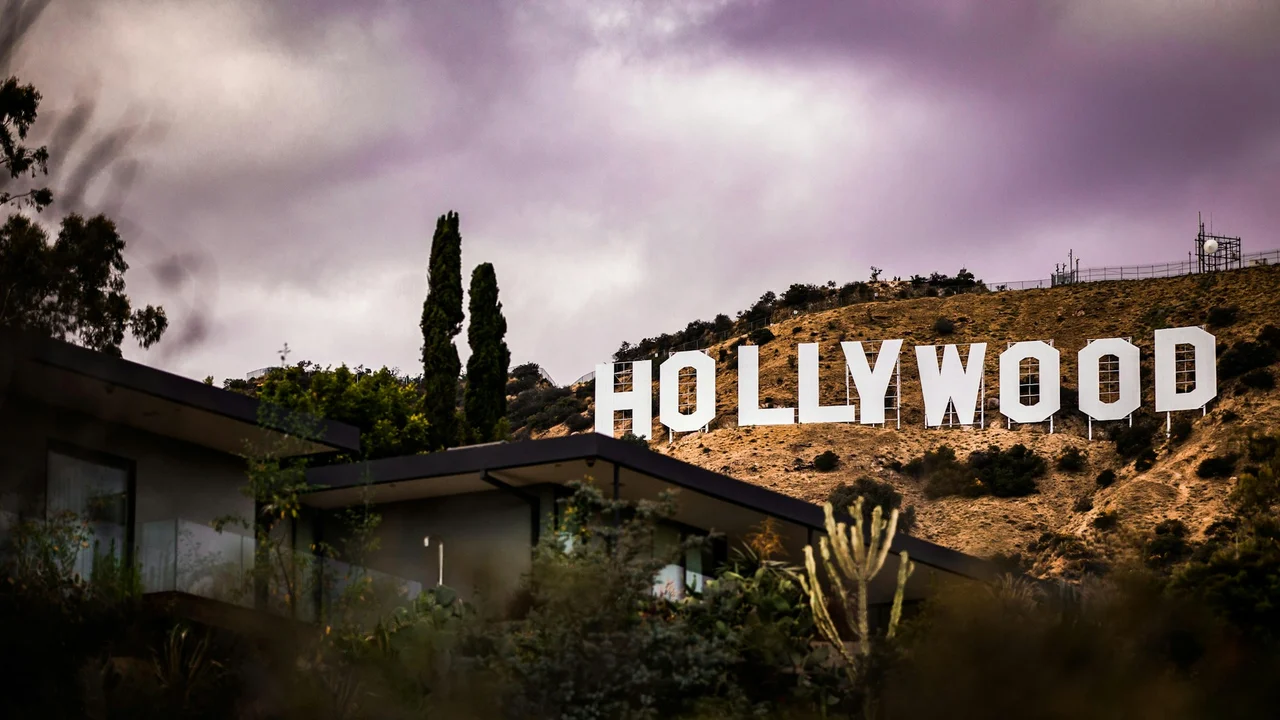
A sweeping transformation is reshaping exclusive enclaves across Los Angeles, where ultra-wealthy billionaires are systematically displacing affluent millionaires and longtime residents to construct sprawling mega-estates. According to local reports, the phenomenon involves purchasing modest single-family homes and tearing them down to assemble massive luxury compounds equipped with elaborate amenities.
The Rise of Multi-Million-Dollar Mega-Estates
A notable example is a property on Laurel Way in Beverly Hills, where a 50-year-old single-story house was replaced by a three-story mansion featuring water features, a 20-car garage, a rooftop pickleball court, and a water canal. Spanning 19,000 square feet, the newly developed estate is currently listed for sale at $53 million. In a nearby transaction, a developer who acquired a five-bedroom home for under $8 million demolished the structure to build an expansive property featuring a spa and a home theater, ultimately selling it this summer for $32 million.
Real estate experts note that a decade ago, only 59 properties across seven Westside Los Angeles communities were valued above $25 million. Today, that figure has surged to more than 300. This trend represents more than simple price appreciation, often manifesting as total structural replacement. While some wealthy residents have relocated out of California amid tax concerns, other top-tier billionaires continue acquiring massive properties. Amazon founder Jeff Bezos purchased a Beverly Hills estate for $165 million, former Google chief executive Eric Schmidt acquired an Holmby Hills property for $110 million, and Coinbase chief executive Brian Armstrong bought a Bel-Air residence for $133 million.
Development Risks and Cash-Driven Purchases
Developers emphasize that privacy and panoramic views remain critical to the success of high-end properties, prompting the construction of long driveways and shaded canopies to shield estates from public view. Despite soaring demand, the luxury redevelopment market carries significant financial risks. One developer who acquired a 15-acre Bel-Air property for $28 million demolished a mid-century mansion and borrowed more than 100 million dollars for upgrades, targeting a $500 million sale. After failing to secure a buyer and defaulting on debt obligations, the luxury compound was ultimately auctioned off in bankruptcy proceedings for $126 million.
Even as elevated mortgage rates and inflated valuations have slowed transactions across much of the housing market, the ultra-wealthy remain insulated from traditional financing constraints. Real estate professionals indicate that when prime properties become available, prospective buyers frequently arrive with all-cash offers to redevelop the sites for billionaire clientele, bypassing standard contingencies and loan approvals.